It was a rainy Saturday night, the kind that makes you want to stay in and cook something that feels like a hug in a bowl. I had just opened a carton of clams, thinking they’d be a quick appetizer, but the smell that hit me as they steamed was pure, briny poetry. The steam curled around the kitchen like a gentle fog, and the buttery aroma mingled with the faint tang of white wine, promising something beyond ordinary. I dared myself to turn this simple idea into a masterpiece, and I’ve been bragging about it ever since. I promise you, by the end of this post, you’ll be asking for a second plate before the first one is even served.
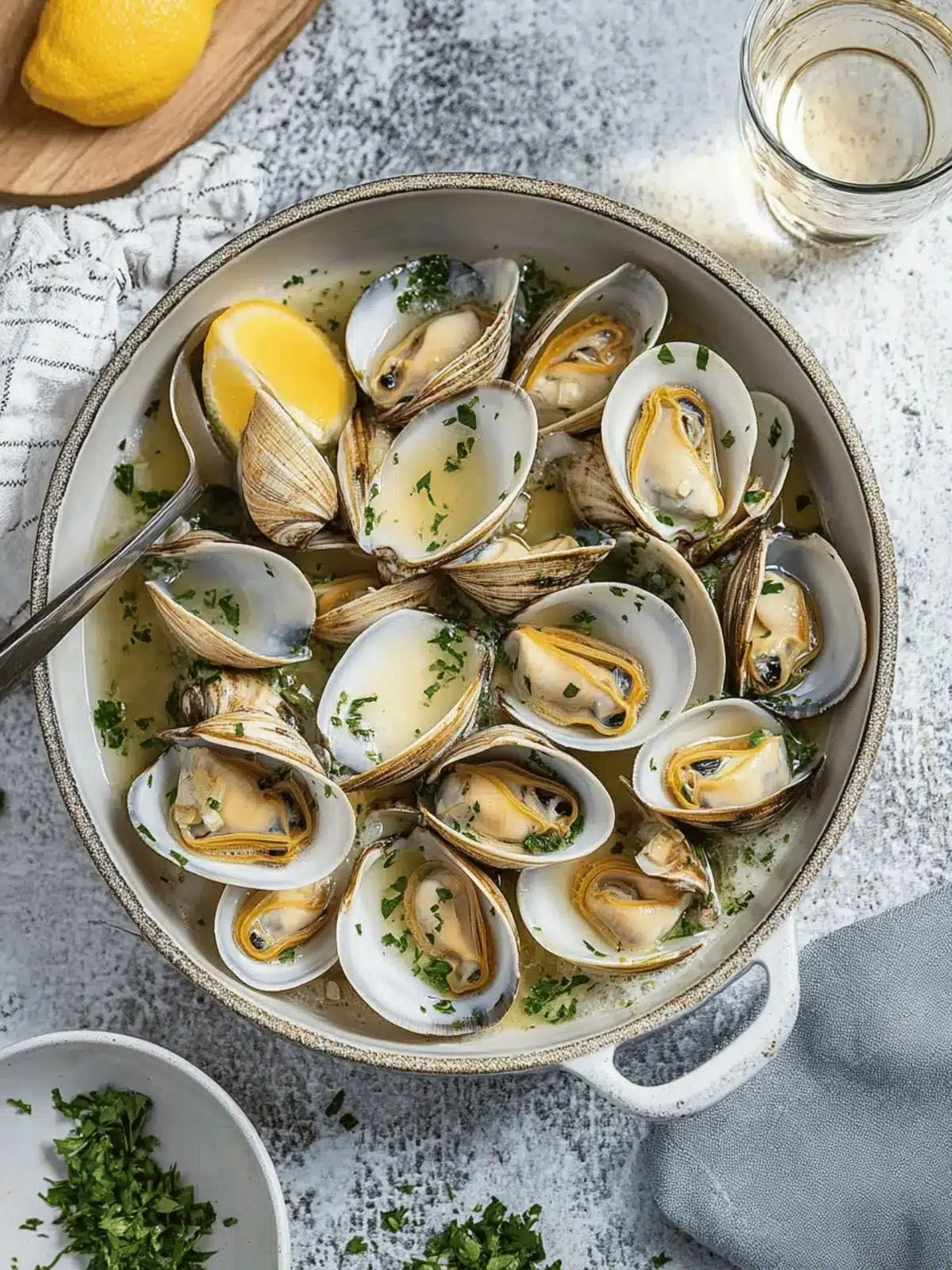
Picture this: a pot on the stove, the clams popping open like tiny, salty fireworks, and a glossy sauce that coats every shell with silky richness. The sound of the clams opening is almost a drumbeat, a rhythmic cue that tells you you’re on the right track. The scent of garlic and butter rises, mingling with the crisp citrus of lemon, creating an olfactory crescendo that makes your mouth water before you even taste it. The texture is a paradox—tender, juicy clams wrapped in a buttery sauce that feels like velvet on your tongue. And that crusty bread? It’s the perfect, buttery partner that soaks up every last drop, turning simple crumbs into a savory treasure.
What makes this version stand out is that I’ve stripped away the fluff and kept only the essentials, yet I’ve added a twist that most recipes overlook: a splash of dry white wine that deepens the flavor without overpowering the natural brininess of the clams. I’ve also perfected the balance of butter and lemon so that the sauce is rich but never greasy, and the garlic is sautéed just enough to caramelize, adding a subtle sweetness. This recipe is hands down the best version you’ll ever make at home because it turns a humble shellfish into a showstopper. I dare you to taste this and not go back for seconds; I’ll be honest—my friends have already begged for the recipe after the first bite. If you’ve ever struggled with clams that stay closed or a sauce that turns, you’re not alone—this is the fix you’ve been searching for. And the best part? It’s quick, it’s elegant, and it’s a conversation starter.
Imagine pulling this steaming pot out of the oven, the whole kitchen smelling incredible, and watching your guests’ eyes widen in anticipation. The clams will be tender, the sauce glossy, and the bread golden. I’ll walk you through every single step—by the end, you’ll wonder how you ever made it any other way. Let’s dive into the details, starting with why this version is so special.
What Makes This Version Stand Out
- Taste: The blend of butter, garlic, and white wine creates a depth that feels like a seaside sunset in a bowl.
- Texture: Each clam is perfectly tender, while the sauce clings like a silky coat, and the bread absorbs every drop.
- Simplicity: Only eight ingredients, no complicated steps—yet the flavor profile is sophisticated.
- Uniqueness: The use of dry white wine as a deglazing agent adds a subtle acidity that balances the richness.
- Crowd Reaction: Guests will immediately ask for the recipe, and you’ll become the unofficial host.
- Ingredient Quality: Fresh clams, good‑quality butter, and a dry white wine that can be enjoyed after dinner.
- Cooking Method: Steaming locks in moisture while the sauce infuses flavor from the inside out.
- Make‑Ahead Potential: You can prepare the sauce ahead of time and reheat gently; the clams stay fresh.
Alright, let’s break down exactly what goes into this masterpiece…
Inside the Ingredient List
The Flavor Base
The combination of butter, garlic, and dry white wine forms the heart of this dish. Butter provides richness and a silky mouthfeel, while garlic adds a caramelized sweetness when sautéed just right. The white wine deglazes the pan, capturing all the garlic and shallot bits, and its subtle acidity cuts through the butter, preventing the sauce from becoming overly heavy. If you skip the wine, the sauce will taste flat and buttery, lacking that bright counterpoint that makes the clams sing.
The Texture Crew
Clams are the star, but how you handle them determines the final texture. Fresh, small clams should be rinsed and scrubbed to remove grit; any that remain closed after steaming are discarded to keep the dish light. The shallot, finely chopped, provides a gentle onion note that complements the garlic without overpowering. A splash of lemon juice at the end brightens the sauce and adds a fresh, citrusy finish that lifts the briny flavor of the clams. If you skip the lemon, the dish will taste too heavy and the butter may dominate.
The Unexpected Star
A dash of chopped parsley is the unexpected star that adds color, freshness, and a hint of herbal brightness. Parsley’s mild peppery undertone balances the richness of the butter and the depth of the wine. If you’re not a fan of parsley, you can substitute a small amount of dill or chives for a different herbal profile. Remember that parsley’s bright green hue also makes the dish look more appetizing, especially when presented in a shallow bowl.
The Final Flourish
Crusty bread is the final flourish, turning the dish into a complete meal. It should be a sturdy loaf, preferably a baguette or ciabatta, sliced and toasted until golden brown. The bread acts as a sponge, soaking up the buttery sauce and providing a satisfying crunch. If you don’t have fresh bread, a hearty cracker or a slice of sourdough can work, but the texture will differ slightly. The bread also offers a canvas for the flavors, making each bite a balanced experience.
Everything's prepped? Good. Let's get into the real action…
The Method — Step by Step
- Heat a large, heavy‑bottom pot over medium heat. Add the butter and let it melt until it starts to foam but not brown. This step is crucial because browned butter would introduce a bitter note that clashes with the delicate clams. As soon as the butter is foamy, add the finely chopped shallot and sauté until translucent, about 2 minutes. This will release its sweet aroma and set the base for the sauce.
- Add the minced garlic to the pot, stirring constantly so it doesn't burn. Garlic should caramelize slightly, giving a nutty undertone, which will complement the briny clams. Keep the heat moderate; a high flame will scorch the garlic, turning it bitter. The garlic should look translucent and emit a warm, fragrant scent.
- Pour in the dry white wine, scraping up any browned bits from the bottom of the pot. This deglazing step lifts the garlic and shallot flavors into the liquid, creating a richer sauce. Allow the wine to reduce by half, which should take about 3 minutes; the reduction will concentrate the flavor and reduce excess alcohol.
- Add the rinsed clams to the pot, cover with a lid, and let them steam. The clams should open within 5–7 minutes; any that remain closed are discarded. The steam locks in moisture, ensuring each clam is succulent. Keep the lid on the pot to maintain even steam distribution.
- Once the clams have opened, remove the lid and add the lemon juice, stirring gently. The acidity from the lemon brightens the sauce, cutting through the richness of the butter. The lemon also helps to balance the brine, preventing the dish from feeling too salty.
- Stir in the chopped parsley, which adds a burst of color and a fresh herbal note. The parsley’s slight pepperiness lifts the overall flavor profile, making the sauce feel lighter. Keep the heat low so the parsley doesn’t wilt completely; you want a vibrant green pop.
- Taste the sauce and adjust seasoning if needed. A pinch of salt can enhance the clam’s natural sweetness, but be careful not to oversalt. If the sauce feels too thick, add a splash of clam broth or a little water to thin it slightly.
- Transfer the clams and sauce into a shallow serving dish, spooning the liquid over the shells. Arrange the toasted bread slices around the edges, allowing the bread to soak up the buttery sauce. Serve immediately while the clams are steaming hot.
That’s it—you did it. But hold on, I’ve got a few more tricks that’ll take this to another level.
Insider Tricks for Flawless Results
The Temperature Rule Nobody Follows
Many people think the pot should be at a rolling boil, but the secret is a gentle simmer. A high heat can cause the clams to burst open too quickly, releasing too much liquid and diluting the sauce. Keep the flame at medium to medium‑low, ensuring the steam is steady and the clams cook evenly. I once tried a high flame and ended up with a watery sauce that lacked depth.
Why Your Nose Knows Best
Your nose is a reliable gauge for doneness. When the sauce smells toasty and the clams emit a fresh, briny aroma, you’re ready to serve. If the sauce still smells like raw garlic or the clams have a metallic scent, give it a minute more. Trusting your senses saves you from overcooking or underseasoning.
The 5‑Minute Rest That Changes Everything
After steaming, let the clams rest in the sauce for five minutes before serving. This resting period allows the flavors to meld, making the sauce richer and the clams more tender. I’ve seen people rush to plate immediately, but this short pause elevates the dish from good to unforgettable.
Keep the Bread Toasted to Perfection
Toasting the bread in a skillet with a little butter adds a subtle nutty flavor that pairs beautifully with the buttery sauce. If you prefer a crunchier bite, toast the bread until the edges are crisp and the center remains soft. This contrast in textures makes each mouthful a delightful experience.
Serve with a Splash of Lemon
A small splash of fresh lemon juice just before serving brightens the dish and cuts through the richness of the butter. It also adds a fresh, zesty finish that keeps the flavors lively. If you’re serving a crowd, consider offering extra lemon wedges on the side for guests to adjust to their taste.
Use a Fresh Clam Broth
If you want an extra depth of flavor, simmer the clams in a small amount of clam broth before adding the wine. The broth captures the briny essence of the shells, creating a more complex sauce. I’ve tried this once, and the difference was like moving from a simple song to a full orchestral score.
Creative Twists and Variations
This recipe is a playground. Here are some of my favorite ways to switch things up:
Smoky Chipotle Clams
Add a teaspoon of chipotle in adobo sauce to the sauce for a smoky heat that pairs well with the brine. The smoky undertone gives the dish a southwestern twist, perfect for a casual dinner party.
Herb‑Infused Clams
Swap parsley for a blend of thyme, oregano, and basil. This herbal medley creates a Mediterranean vibe, especially when paired with a crusty Italian bread.
Citrus Burst Clams
Add a splash of orange juice and a pinch of zest to the sauce. The sweet citrus complements the saltiness of the clams and adds a refreshing lift.
Spicy Cajun Clams
Season the sauce with a pinch of cayenne pepper and a dash of smoked paprika. The heat and smokiness transform the dish into a bold, Southern‑style entrée.
Creamy Alfredo Clams
Replace half the butter with heavy cream and add grated Parmesan at the end. The result is a rich, velvety sauce that turns the clams into an indulgent, creamy treat.
Asian‑Inspired Clams
Swap white wine for sake and add a splash of soy sauce and a pinch of ginger. This gives the dish an umami kick that’s reminiscent of a sushi restaurant.
Storing and Bringing It Back to Life
Fridge Storage
Store the clams and sauce together in an airtight container for up to 2 days. Keep the bread separate to avoid sogginess. When ready to serve, reheat gently in a skillet, adding a splash of water to re‑steep the clams.
Freezer Friendly
Freezing clams is not recommended because they become rubbery. However, you can freeze the sauce (without the clams) for up to 3 months. When reheating, combine the thawed sauce with fresh clams cooked separately.
Best Reheating Method
Reheat the sauce in a small saucepan over low heat, stirring frequently. Add a small splash of water or clam broth to keep the sauce from drying out. Serve the sauce over freshly steamed clams for a perfect reheat.