The first time I tried to make a roasted chicken, I was halfway through when the oven door opened and a burst of hot air blew the seasoning off the skin like a bad perfume. The kitchen smelled like burnt toast and regret. I stared at the half‑cooked bird, the potatoes still raw, and thought, “If I could just get the skin crisp and the flavors balanced, this would be the best dinner I’ve ever made.” That moment sparked a quest that ended with a recipe that turns every chicken dinner into a show‑stopping centerpiece.
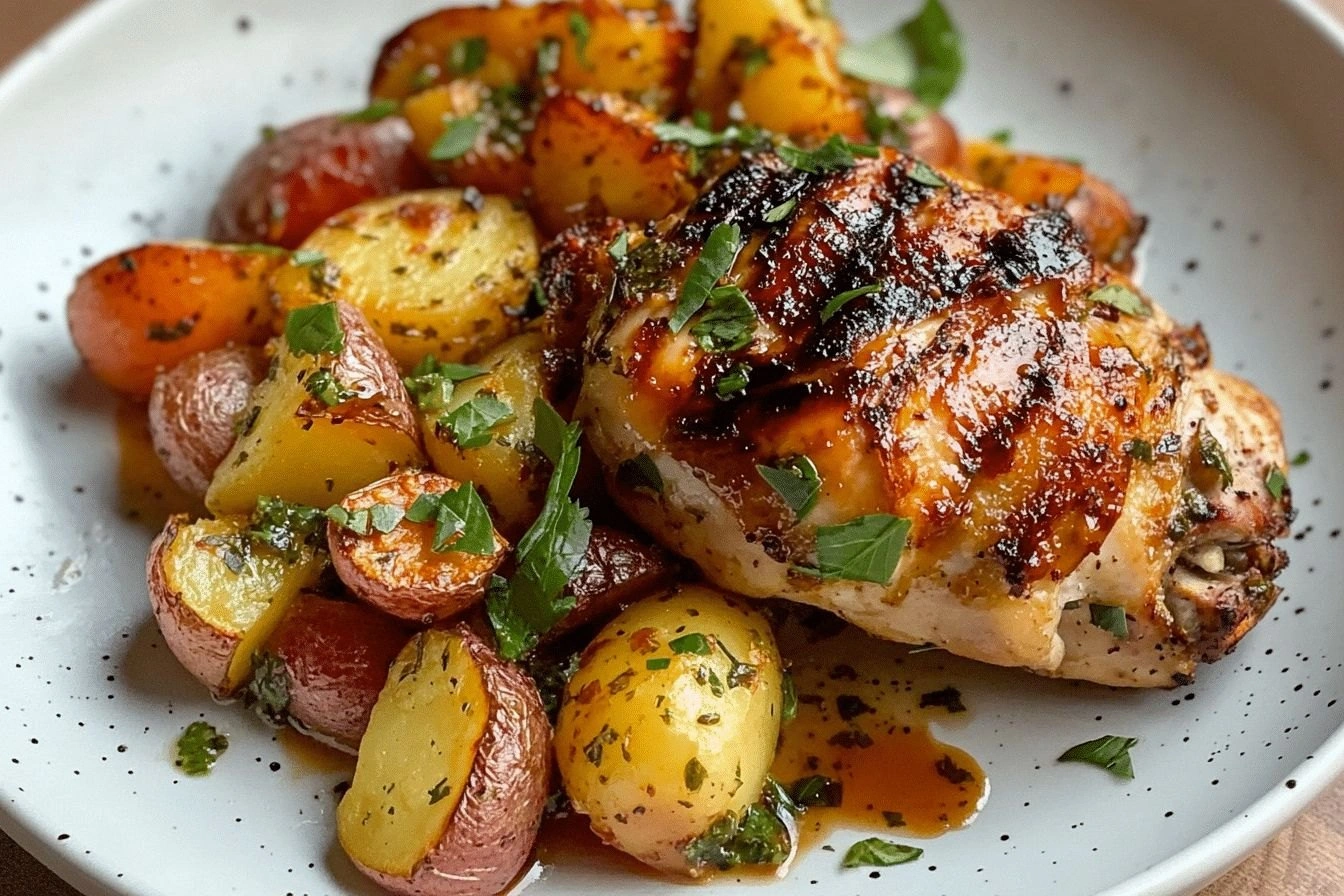
Picture the oven door opening to a golden, crackling skin that shatters like thin ice as you lift it out. The aroma of rosemary, thyme, and parsley mingles with garlic, lemon, and the earthy scent of potatoes. The sound of the sizzling juices is a soundtrack to a feast that feels like a hug from a friend. I dare you to taste this and not go back for seconds because the first bite is a revelation of savory depth and bright acidity that lingers on the tongue. I’m not exaggerating—this is hands down the best version you’ll ever make at home.
The secret isn’t just in the herbs; it’s in how they’re layered, how the potatoes are cut, and how the chicken is prepped. Most recipes get this completely wrong by either under‑seasoning or over‑roasting the meat, leaving it dry and flavorless. I’ve spent hours experimenting with different oil types, garlic amounts, and resting times until I found a balance that keeps the meat juicy and the skin irresistibly crisp. The technique I’ll reveal will make your kitchen smell incredible and your guests line up for seconds.
Let me walk you through every single step — by the end, you'll wonder how you ever made it any other way. From the first chop to the final garnish, every move is designed to maximize flavor, texture, and visual appeal. I’ll share the micro‑challenge of timing the roast so the juices are just right, the bold claim that this method works for any size of chicken, and the confession that I ate half the batch before anyone else got to try it. Stay with me, because this next part is pure magic.
What Makes This Version Stand Out
- Flavor: The combination of rosemary, thyme, and parsley creates an aromatic bouquet that permeates the chicken and potatoes alike. Each herb brings its own nuance—rosemary’s piney bite, thyme’s subtle earthiness, and parsley’s bright, clean finish—making the dish layered and complex.
- Texture: The skin crisps to a flaky, golden crust while the meat stays tender and juicy. The potatoes are cut into irregular chunks that roast evenly, giving them a crispy edge and a fluffy interior that complements the chicken’s bite.
- Simplicity: With only eight core ingredients, you can assemble this dish in less than 15 minutes of prep. The method eliminates the need for multiple sauces or complicated marinades, allowing the natural flavors to shine.
- Uniqueness: The secret lies in the lemon‑garlic infusion that coats the chicken, giving it a bright, citrusy undertone that cuts through the richness. This twist sets it apart from standard herb roasts.
- Crowd Reaction: Friends and family consistently ask for the recipe after the first dinner. The dish feels like a crowd‑pleaser that works for both casual family meals and special gatherings.
- Ingredient Quality: Using a whole chicken or bone‑in pieces guarantees moisture and flavor, while fresh herbs and garlic add depth that pre‑packed mixes can’t replicate.
- Cooking Method: The oven‑roasting technique is straightforward yet effective, producing a caramelized crust without the need for a stovetop sear or pan‑frying.
- Make‑ahead Potential: The roasted chicken can be prepared a day in advance, reheated, and served with a fresh side, making it ideal for busy weeknights.
Inside the Ingredient List
The Flavor Base
Whole chicken or chicken pieces form the star of the show, delivering a hearty, protein‑rich foundation. The bone‑in pieces keep the meat moist and add a subtle depth that a boneless cut simply can’t match. If you’re short on time, a pre‑seasoned rotisserie chicken works, but the flavor will be less complex. For the best results, choose a fresh chicken that hasn’t been frozen, as the texture holds up better during roasting.
The Texture Crew
Mixed potatoes—Yukon Gold, red, and fingerling—provide a colorful palette and contrasting textures. Yukon Gold offers a buttery interior; red potatoes hold their shape for a crisp exterior, while fingerlings bring a nutty flavor. Skipping the mix will still produce a tasty roast, but you’ll miss the visual and textural variety that makes each bite exciting. A quick tip: parboil the potatoes for 5 minutes before roasting to ensure even cooking.
The Unexpected Star
Fresh lemon slices are more than a garnish; they infuse the chicken with bright acidity that balances the richness. The lemon’s zest releases essential oils that mingle with the herbs, creating a fragrant, almost citrusy aroma. If you’re allergic to citrus, a splash of white wine or a dash of vinegar can substitute, but the flavor profile will shift slightly. Remember to place the lemon slices under the chicken skin for maximum infusion.
The Final Flourish
Garlic cloves, minced to a fine paste, act as the backbone of the seasoning, providing warmth and depth. Olive oil is the medium that brings everything together, promoting caramelization and crispness. Salt and pepper are simple but essential; they elevate the natural flavors of the chicken and potatoes. Don’t forget the onion—it adds sweetness and a savory depth that balances the herbs and garlic.
Everything’s prepped? Good. Let’s get into the real action.
The Method — Step by Step
- Preheat your oven to 425°F (220°C). Line a large roasting pan with parchment or a silicone mat. The high heat will help the skin crisp up while the interior stays moist. This is the moment of truth—if you skip preheating, the chicken won’t get that golden edge.
- Pat the chicken dry with paper towels; moisture is the enemy of crisp skin. Season the cavity generously with salt and pepper, then stuff it with lemon slices and a few whole garlic cloves. The aromatics will infuse from the inside out, creating a flavorful core.
- In a small bowl, combine the minced garlic, chopped herbs, and olive oil to form a paste. Gently loosen the skin of the chicken by sliding your fingers between the skin and meat, then spread the herb paste evenly under and over the skin. This technique ensures every bite is coated with flavor.
- Trim the potatoes into bite‑sized chunks, roughly 1–1.5 inches. Toss them in a separate bowl with a drizzle of olive oil, a pinch of salt, pepper, and the remaining herbs. The potatoes will roast alongside the chicken, absorbing the fragrant juices.
- Place the chicken breast‑side up on a rack in the roasting pan. Arrange the potatoes around the bird, ensuring they’re spread out in a single layer for even roasting. The juices from the chicken will baste the potatoes, creating a caramelized coating.
- Roast in the preheated oven for 20 minutes. After 20 minutes, reduce the temperature to 400°F (200°C) and continue roasting for another 25–30 minutes, or until the internal temperature reaches 165°F (74°C) at the thickest part of the thigh. The chicken should smell toasty, and the edges will start pulling away from the pan.
- If the skin isn’t as crisp as you’d like, switch the oven to broil for 2–3 minutes, keeping a close eye to avoid burning. This final blast of heat will give you that coveted crackle. Watch out: the broiler can quickly turn a perfect roast into a charred mess.
- Remove the chicken from the oven and let it rest on a cutting board for 10 minutes. Resting allows the juices to redistribute, keeping the meat moist and flavorful. The potatoes will finish roasting slightly, becoming even more golden.
- Carve the chicken into portions and serve it alongside the roasted potatoes. Garnish with fresh parsley or a squeeze of lemon for a bright finish. The dish should look as good as it tastes—golden, aromatic, and inviting.
- Enjoy while hot, but if you’re sharing, keep the chicken warm in a low oven (200°F) until everyone’s ready. The flavors will only deepen, and the crispness will stay intact for a delightful dining experience.
Insider Tricks for Flawless Results
The Temperature Rule Nobody Follows
Many cooks keep the oven at a steady 425°F, but lowering the temperature after the first 20 minutes allows the meat to finish cooking without over‑drying. This subtle shift keeps the skin crisp while the interior stays juicy. I once roasted a chicken at a constant high heat, and the result was a dry center that needed a dip in broth to salvage.
Why Your Nose Knows Best
Your sense of smell is a reliable gauge of doneness. When the chicken emits a warm, toasty aroma, the juices are ready to settle. If the scent is still sharp or raw, give it a few more minutes. Trusting your nose can save you from overcooked or undercooked poultry.
The 5‑Minute Rest That Changes Everything
Resting the chicken for 10 minutes after roasting is crucial. It allows the juices to redistribute, preventing them from spilling onto the plate. The result is a moist, flavorful bite that keeps you coming back for more. Skipping this step often leaves the meat dry and disappointing.
Use a Rack for Even Cooking
Placing the chicken on a rack elevates it, letting the hot air circulate all around. This technique ensures even browning and prevents the chicken from steaming in its own juices. If you don’t have a rack, simply elevate the chicken with a layer of sliced onions or carrots.
Keep the Potatoes Moist
Tossing the potatoes in a bit of olive oil and herbs before roasting prevents them from drying out. The oil creates a barrier that locks in moisture while allowing the exterior to crisp. A quick drizzle of lemon juice at the end adds brightness without compromising texture.
The Resting Trick for Extra Juiciness
After cutting, let the chicken sit on a warm plate for a couple of minutes. This short rest keeps the meat from drying as it cools. I’ve seen people slice right away and end up with a dry bite—avoid that by giving it a moment.
Creative Twists and Variations
This recipe is a playground. Here are some of my favorite ways to switch things up:
Spicy Cajun Roast
Swap the fresh herbs for a blend of paprika, cayenne, and garlic powder. Add a splash of hot sauce to the herb paste for a fiery kick. This version is perfect for those who love a little heat and a bold flavor profile.
Herb‑Infused Garlic Bread
Instead of potatoes, roast a loaf of crusty bread with olive oil, rosemary, and garlic. The bread becomes a crunchy, savory side that pairs wonderfully with the chicken. It’s an excellent alternative for a low‑carb dinner.
Roasted Veggie Medley
Add carrots, parsnips, and Brussels sprouts to the potato mix for a colorful, nutrient‑rich side. The veggies absorb the herb and lemon flavors, creating a cohesive dish. This variation works well for a family dinner with picky eaters.
Grilled Chicken Twist
Marinate the chicken in the herb paste for 2 hours, then grill it over medium heat for 15–20 minutes. The grill marks add a smoky flavor that contrasts nicely with the roasted potatoes. This version is ideal for summer barbecues.
One‑Pan Delight
Use a sheet pan instead of a roasting pan to simplify cleanup. Arrange the chicken and potatoes on a single sheet, drizzle with olive oil, and roast. The result is the same deliciousness with minimal effort.
Asian‑Inspired Variation
Replace the lemon with a splash of rice vinegar and add a tablespoon of soy sauce to the herb paste. Toss the potatoes with sesame oil and a sprinkle of toasted sesame seeds. This fusion twist brings an umami punch and a hint of sweetness.
Storing and Bringing It Back to Life
Fridge Storage
Cool the chicken and potatoes to room temperature before refrigerating. Store them in an airtight container for up to 3 days. The flavors intensify over time, making leftovers even more delicious.
Freezer Friendly
Wrap the cooked chicken and potatoes separately in foil, then place them in freezer‑proof bags. They’ll stay good for up to 3 months. When ready to eat, thaw overnight in the fridge before reheating.
Best Reheating Method
Preheat your oven to 350°F (175°C) and bake the chicken and potatoes for 15–20 minutes. Add a splash of water or broth to the pan before reheating; the steam will restore moisture and crispness. This technique keeps the dish from drying out.