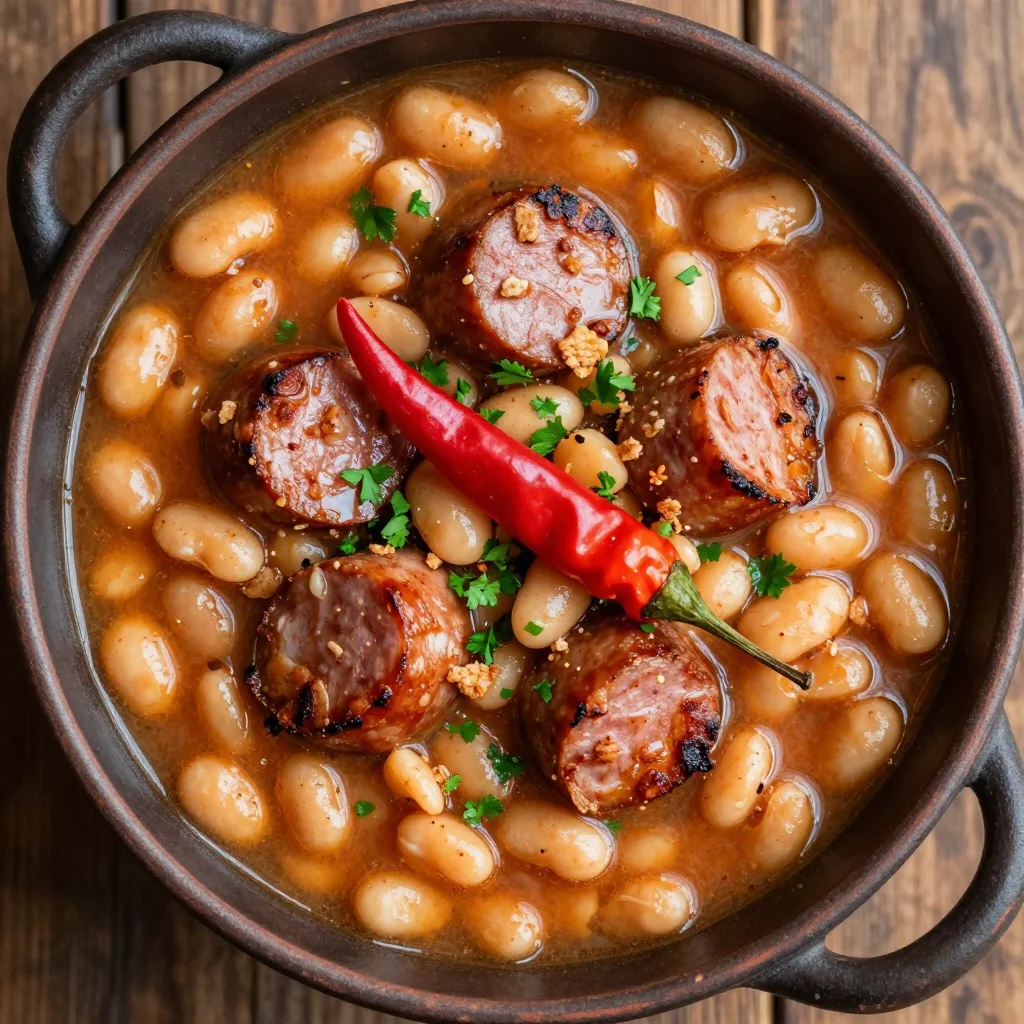
I was halfway through a week of bland dinners when my kitchen turned into a smoky battlefield. The pot I’d left on the stove for a quick bean stew had turned into a bubbling cauldron of burnt flavor, and my taste buds were screaming for redemption. I stared at the charred bottom, realizing I’d forgotten the secret ingredient that keeps beans silky instead of crunchy. That night, I decided to rewrite the entire recipe—no more burnt onions, no more bland spices, just pure, comforting goodness. The result? A slow-simmered pinto bean dish that feels like a hug in a bowl.
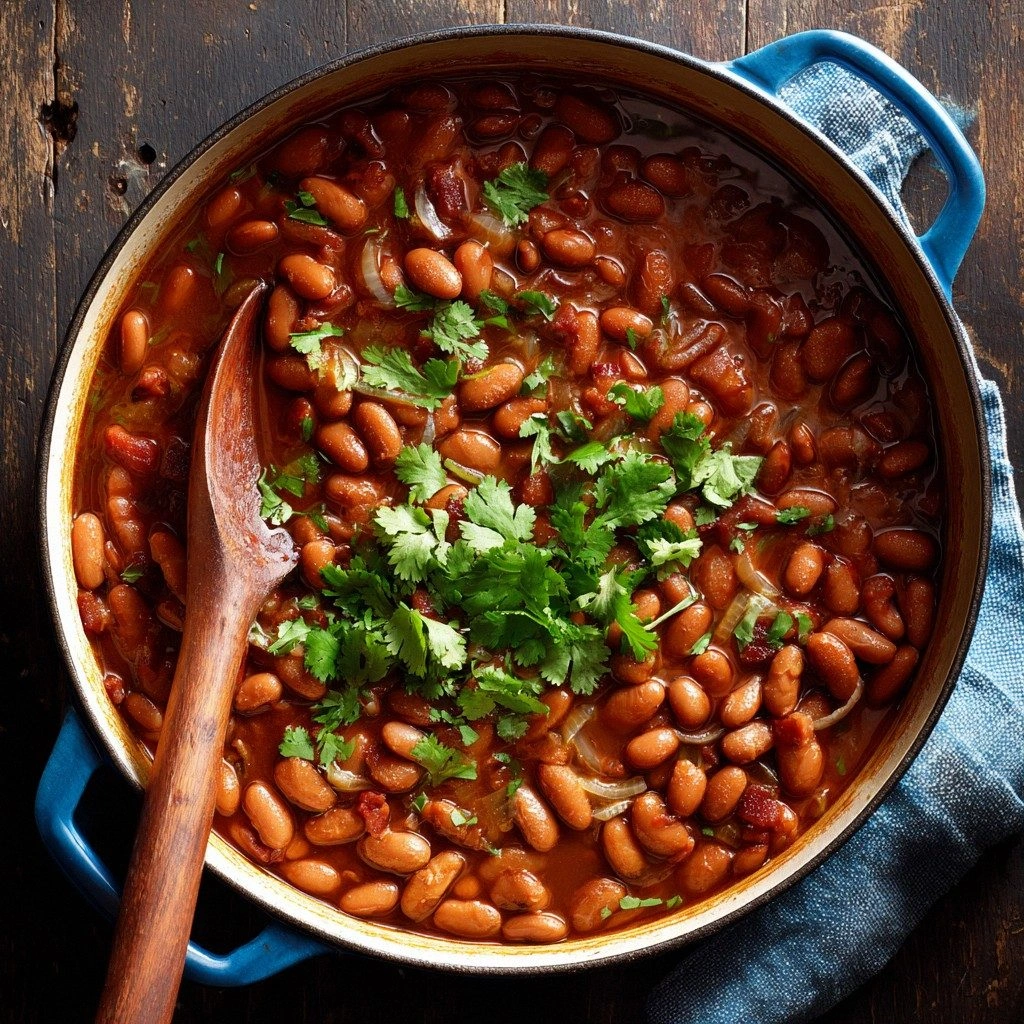
Picture the first bite: a velvety texture that coats your tongue like a soft blanket, the aroma of cumin and oregano rising like a sunrise, and a subtle heat that lingers just enough to keep you coming back. The sound of the pot gently simmering is a metronome of anticipation, each bubble a promise of flavor. Your eyes catch the glossy sheen of the beans, their deep brown hue contrasting with specks of fresh cilantro. The taste is a dance of earthy beans, smoky paprika, and the bright citrus zing from lime that cuts through the richness. Touching the spoon, you feel the comforting weight of a dish that’s been patiently cooked, not rushed.
What makes this version stand out is that it’s not just about the beans. It’s about the harmony of textures, the balance of heat and acidity, and the way every ingredient is amplified by slow cooking. I’ve taken the classic Mexican-style seasoning and elevated it with a subtle smoky depth and a touch of fresh citrus, creating layers that unfold with each spoonful. The result is hands down the best version you’ll ever make at home, because every bite feels intentional and every aroma is a call to savor. If you’ve ever struggled with bland beans, you’re not alone—and I’ve got the fix.
Now, I dare you to taste this and not go back for seconds. Picture yourself pulling this out of the pot, the whole kitchen smelling incredible, and everyone asking for the recipe. Stay with me here—this is worth it. Let me walk you through every single step—by the end, you’ll wonder how you ever made it any other way.
What Makes This Version Stand Out
- Flavor Depth: The slow simmer allows the beans to absorb every nuance of cumin, oregano, and smoked paprika, creating a complex, savory profile that’s far richer than quick-cook versions. Each spoonful is a burst of earthy sweetness that lingers on the palate.
- Texture Perfection: The beans soften to a silky finish without turning mushy, thanks to precise timing and gentle heat. This balance is achieved by adding the liquid at the right moment and maintaining a low, steady boil.
- Heat Control: By incorporating jalapeño and optional chipotle, you can dial the spice level up or down without overwhelming the dish. The heat is integrated, not shouted, so it’s approachable for all spice lovers.
- Fresh Finish: A splash of lime juice at the end brightens the dish, cutting through the richness and adding a zesty, refreshing finish that keeps the flavor profile lively.
- Make‑Ahead Friendly: The beans keep well in the fridge for up to five days and freeze beautifully, making this an ideal meal prep staple for busy weeknights.
- Authentic Yet Accessible: While it nods to traditional Mexican seasonings, it uses pantry staples that are easy to find, so you don’t need a trip to a specialty market to recreate this.
Inside the Ingredient List
The Flavor Base
Olive Oil: A tablespoon of olive oil creates a silky foundation that helps the spices coat the beans evenly. Skipping it results in a drier, less cohesive flavor profile. If you prefer a lighter version, use avocado oil for a milder taste.
Onion & Garlic: Diced onion and minced garlic are sautéed until translucent, releasing their natural sweetness and aroma. Removing either ingredient diminishes the depth of the base, leaving the beans tasting flat.
Jalapeño: Finely chopped jalapeño adds a subtle heat that’s balanced by the lime juice. Leaving it out makes the dish milder, but you’ll miss that gentle kick that keeps the beans interesting.
The Texture Crew
Pinto Beans: Two cups of dry beans are the star of the show. Rinsing and soaking them overnight reduces cooking time and ensures a tender texture. If you’re using canned beans, drain them well and rinse to remove excess sodium.
Vegetable Broth: Four cups of broth provide the liquid needed for slow cooking. Using a low-sodium broth helps control the salt level, allowing you to adjust seasoning at the end. For a richer flavor, replace half the broth with chicken or beef stock.
Diced Tomatoes & Tomato Paste: The tomatoes add acidity and a subtle sweetness, while the paste deepens the color and richness. If you’re avoiding canned tomatoes, substitute with fresh tomatoes, diced and simmered until softened.
The Unexpected Star
Chipotle Pepper in Adobo: A minced chipotle pepper brings smoky heat that elevates the dish. Omit it for a milder version, but you’ll lose the complex, smoky undertone that makes this recipe memorable.
Smoked Paprika: A half teaspoon of smoked paprika adds a subtle smokiness that complements the chipotle. If you can’t find smoked paprika, regular paprika will still work, though the depth will be slightly less pronounced.
The Final Flourish
Lime Juice: One tablespoon of fresh lime juice brightens the entire dish, cutting through the richness and adding a fresh zing. If you’re allergic to citrus, a splash of apple cider vinegar can provide a similar acidity.
Cilantro: Fresh cilantro, chopped, adds a burst of herbaceous freshness that contrasts with the warm spices. If you’re not a fan of cilantro, parsley can be a suitable alternative.
Everything's prepped? Good. Let's get into the real action...
The Method — Step by Step
- Begin by heating a tablespoon of olive oil in a large, heavy‑bottomed pot over medium heat. Add the diced onion and sauté until translucent and fragrant, about 5 minutes. Stir in the minced garlic and let it cook for another minute until the aroma is unmistakable. This is the moment of truth—your base should smell toasty, not burnt. Keep the heat moderate to avoid scorching the aromatics.
- Add the chopped jalapeño, cumin, oregano, smoked paprika, and bay leaf to the pot. Stir continuously for 30 seconds to toast the spices, releasing their essential oils. The pot should emit a warm, inviting aroma that signals the flavor is building. Avoid letting the spices burn; a quick toast is enough to unlock their full potential.
- Introduce the pinto beans, stirring to coat them with the spice mixture. Pour in four cups of vegetable broth and one can of diced tomatoes, followed by a tablespoon of tomato paste. Bring the mixture to a gentle boil, then reduce the heat to low and cover. This is where the magic begins—the beans will slowly absorb the broth and spices, developing a silky texture.
- Let the beans simmer uncovered for 45 minutes, stirring occasionally to prevent sticking. If you notice the liquid evaporating too quickly, add a splash of water or more broth to maintain a loose consistency. Watch the edges of the pot; they should pull away slightly as the beans cook through. This step is crucial for achieving that perfect, velvety mouthfeel.
- After the simmer, stir in the minced chipotle pepper (if using) and the lime juice. Taste the mixture and adjust salt and pepper to your preference. The lime juice should brighten the dish without overpowering the beans. This final seasoning step brings balance, ensuring the dish is neither too heavy nor too acidic.
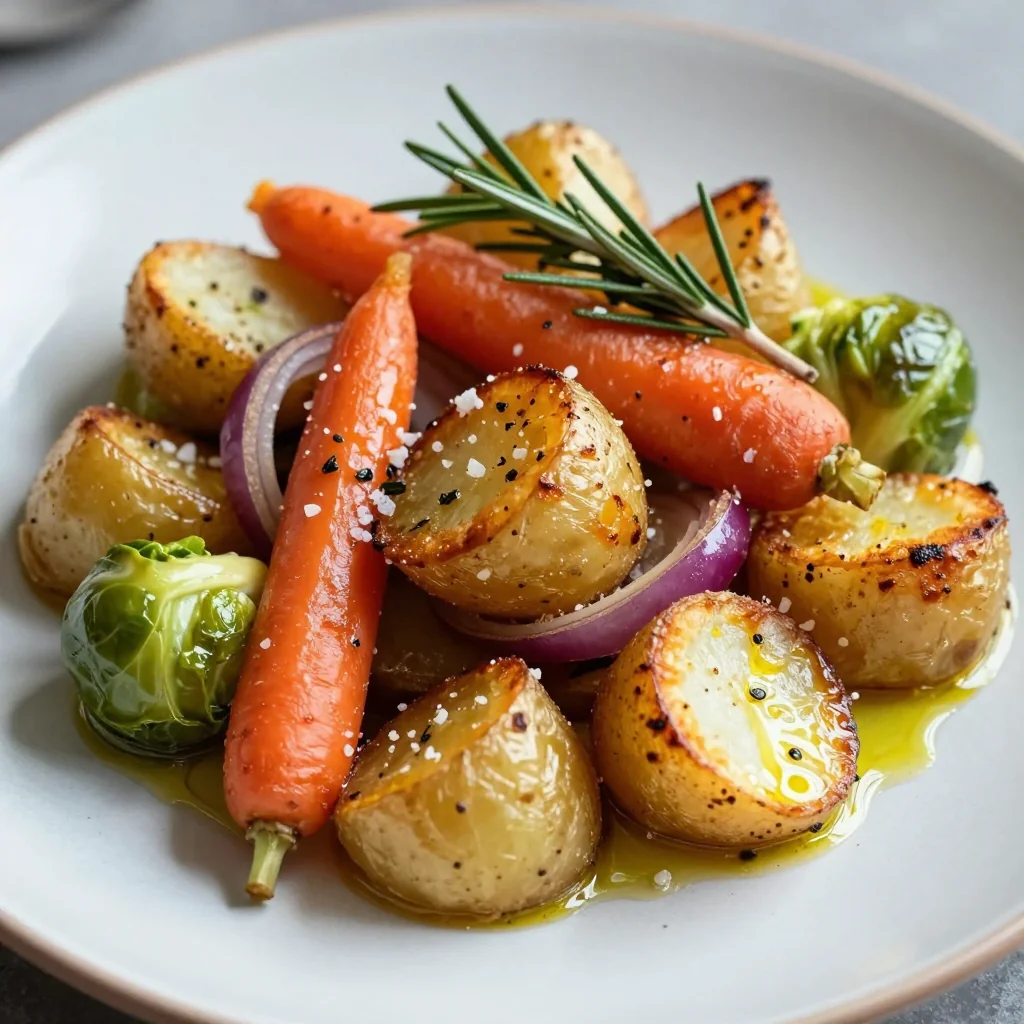
- Remove the bay leaf, then transfer the beans to a serving dish. Sprinkle chopped cilantro over the top for a burst of color and freshness. Serve the beans hot, accompanied by warm tortillas, rice, or a side of roasted vegetables. The dish is versatile enough to be a main course or a hearty side.
- If you’re preparing this for a crowd, keep the beans warm in a low oven (around 200°F) or a slow cooker on low. This prevents the beans from drying out and keeps the flavors from settling. Remember, a well‑kept bean dish is a crowd‑pleaser that keeps guests coming back for seconds.
That's it—you did it. But hold on, I've got a few more tricks that'll take this to another level...
Insider Tricks for Flawless Results
The Temperature Rule Nobody Follows
Maintaining a low, steady simmer is key to achieving silky beans. If the heat is too high, the beans will burst and become mushy; if it’s too low, they’ll remain firm. Use a thermometer to keep the pot between 190°F and 200°F. A gentle simmer also allows the spices to infuse fully, creating a more balanced flavor profile.
Why Your Nose Knows Best
Your sense of smell is a powerful indicator of readiness. When the beans are done, the aroma should be rich and slightly sweet, with a faint smoky undertone. If the smell feels flat, give them a few more minutes; if it’s too sharp, reduce the heat and let the flavors mellow.
The 5‑Minute Rest That Changes Everything
Letting the beans rest off the heat for five minutes before serving allows the flavors to meld and the liquid to thicken slightly. During this rest, the beans continue to absorb the seasoning, resulting in a more cohesive taste. This simple pause is often overlooked but makes a noticeable difference.
The Salt‑First, Taste‑Later Trick
Add a pinch of salt early in the cooking process to help the beans soften faster. Then, taste the dish at the end and adjust salt and pepper accordingly. This two‑stage approach prevents over‑salting and ensures the final flavor is perfectly balanced.
The Quick Chili Variation
If you crave heat, add a diced poblano pepper along with the jalapeño. Poblano offers a milder, fruitier heat that complements the beans without overpowering them. This variation is ideal for those who enjoy a bit of spice but want a more complex flavor profile.
The Reheating Ritual
When reheating leftovers, add a splash of water or broth to restore moisture. Cover the pot and heat on low, stirring occasionally. This method prevents the beans from drying out and keeps the texture silky.
Creative Twists and Variations
This recipe is a playground. Here are some of my favorite ways to switch things up:
The Southwestern Taco Bowl
Serve the beans over a bed of cilantro‑lime rice, top with avocado slices, shredded cheese, and a dollop of sour cream. The creamy avocado and tangy cheese add a contrasting texture, while the lime rice keeps the bowl fresh and vibrant.
The Smoky Chipotle Chili
Add ground beef or turkey to the pot after sautéing the aromatics. Brown the meat before adding the beans and liquid. This transforms the dish into a hearty chili, perfect for a comforting winter meal.
The Veggie‑Rich Buddha Bowl
Top the beans with roasted sweet potatoes, sautéed kale, and a drizzle of tahini sauce. The earthy sweet potato pairs wonderfully with the beans, while the kale adds a pop of green and a nutritional boost.
The Mexican Street Tacos
Fill soft corn tortillas with the beans, a squeeze of lime, and a sprinkle of crumbled queso fresco. Add a few slices of pickled red onion for crunch and a burst of acidity, and you’ve got a street‑style taco that’s both simple and delicious.
The Quick Bean Salad
Cool the beans and toss them with diced bell peppers, red onion, fresh cilantro, and a vinaigrette made from lime juice, olive oil, and a touch of honey. This salad is refreshing, protein‑rich, and perfect for a light lunch.
Storing and Bringing It Back to Life
Fridge Storage
Store the beans in an airtight container for up to five days in the refrigerator. Keep the container cool and seal it tightly to preserve moisture and flavor. When you’re ready to eat, simply reheat on the stove or microwave.
Freezer Friendly
Freeze the beans in portioned containers for up to three months. Add a splash of broth or water before freezing to maintain a creamy consistency. Thaw overnight in the fridge and reheat gently to avoid over‑cooking.
Best Reheating Method
Reheat the beans on low heat, adding a little water or broth to keep them moist. Stir frequently to prevent sticking, and cover to trap steam. When the beans are heated through, taste and adjust seasoning if needed.