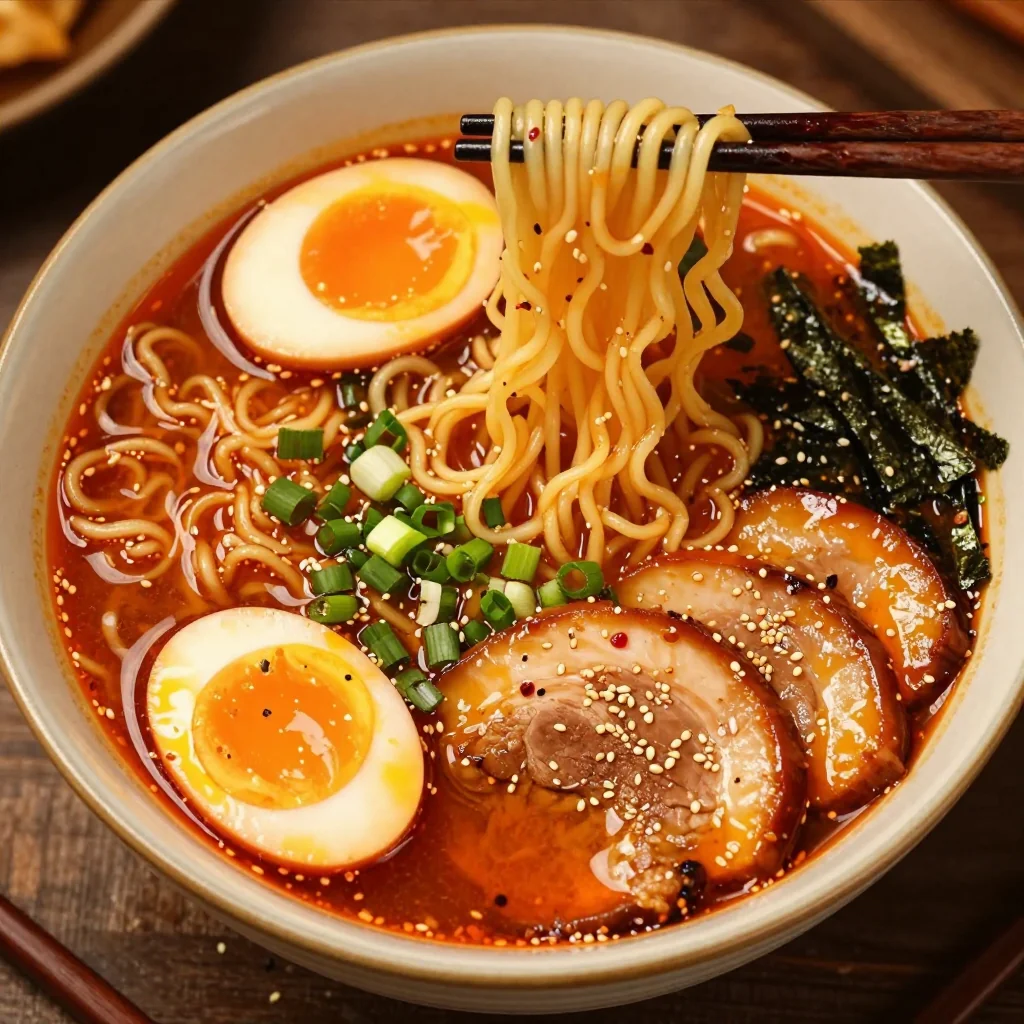
Love this? Pin it for later! 📌
Why This Recipe Works
- Restaurant-quality broth: The secret lies in layering umami-rich ingredients like miso paste, mushroom powder, and toasted sesame oil to create depth that tastes like it simmered for hours.
- Customizable heat levels: From mild tingle to face-melting spice, you control the fire with adjustable chili oil and gochujang ratios that suit your comfort zone.
- Pantry-friendly ingredients: Everything keeps for months, meaning you're always 15 minutes away from comfort food bliss without a special grocery run.
- One-pot wonder: Minimal cleanup required—everything builds in the same pot, making it perfect for tiny kitchens and lazy nights alike.
- Protein-packed options: Whether you choose the jammy egg, silken tofu, or leftover rotisserie chicken, each bowl delivers satisfying protein that keeps you full.
- Vegetarian and vegan adaptable: Simple swaps make this accessible for every diet without sacrificing the rich, complex flavors that make it special.
Ingredients You'll Need
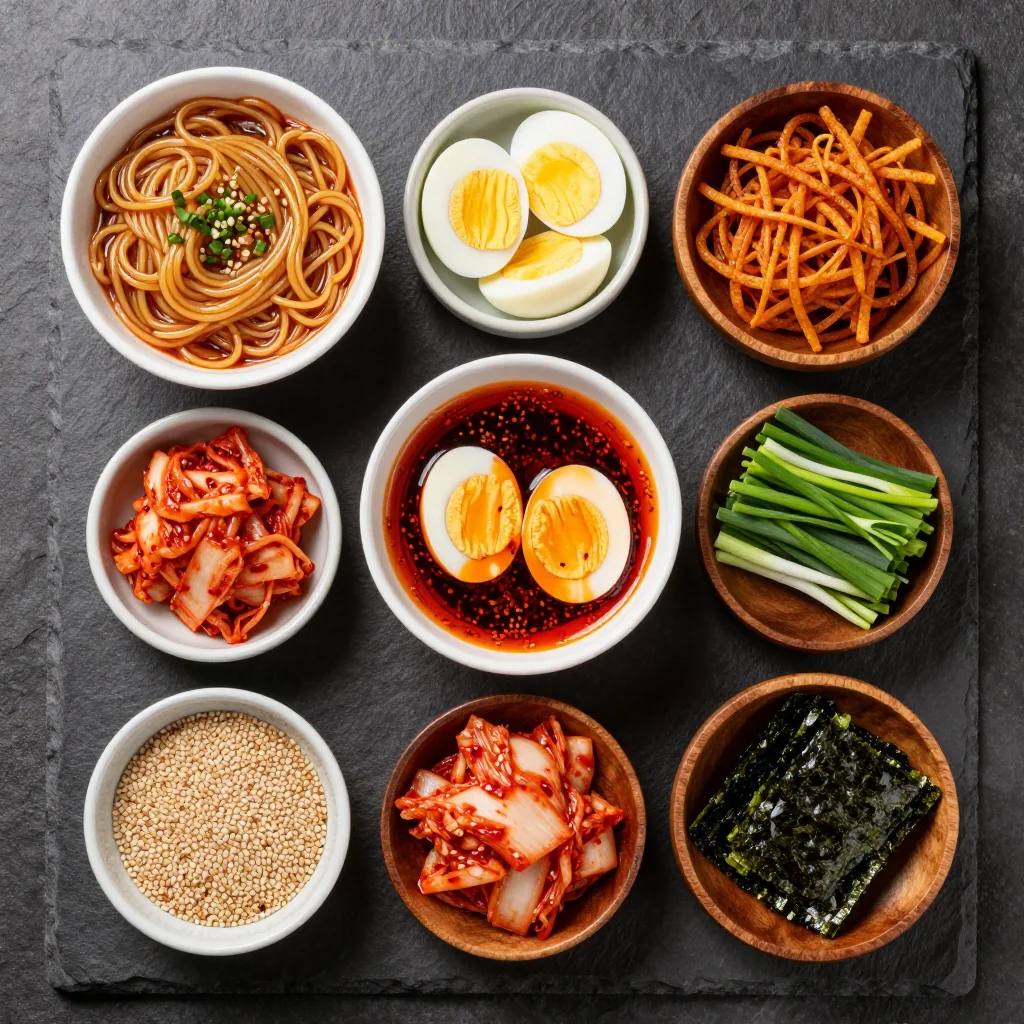
How to Make Spicy Ramen Noodle Upgrade for Cozy Nights In
Prepare Your Mise en Place
Start by gathering all ingredients and prepping vegetables. Slice mushrooms 1/4-inch thick, chop green onions separating whites from greens, and measure out all sauces and oils. This "everything in its place" approach prevents the panic of searching for ingredients while your broth boils. Set eggs out to come to room temperature—this crucial step prevents cracking when they hit the hot broth.
Toast Your Aromatics
In a medium pot over medium heat, add 1 tablespoon of sesame oil and the white parts of green onions. Sauté for 30 seconds until fragrant but not browned. Add gochujang and miso paste, stirring constantly for another 30 seconds. This toasting process awakens the fermented flavors in both pastes, creating a flavor base that tastes like it simmered for hours.
Build the Broth
Slowly whisk in your broth, a half-cup at first to dissolve the pastes, then the remaining 3.5 cups. Add soy sauce, honey, and rice vinegar. Bring to a gentle simmer—not a rolling boil, which can make the broth cloudy. Taste and adjust seasoning; it should be pleasantly salty and slightly sweet with a gentle heat that builds.
Cook Mushrooms to Perfection
Add sliced shiitake mushrooms and simmer for 3-4 minutes until tender but still toothsome. The mushrooms will release their earthy essence into the broth while absorbing the spicy-sweet flavors. If using dried mushrooms instead, rehydrate them first in warm water for 20 minutes, then strain and use the soaking liquid as part of your broth for extra intensity.
The Egg Dropping Technique
Reduce heat to low. Crack each egg into a small bowl first, then gently slide into the broth. Cover immediately and let poach for exactly 6 minutes for jammy centers, 9 minutes for hard-boiled. No stirring—this keeps the whites intact. The residual heat continues cooking after you turn off the burner, so timing is everything for that perfect Instagram-worthy yolk.
Noodle Mastery
While eggs poach, cook ramen noodles in a separate pot according to package directions minus 30 seconds—they'll finish cooking in the hot broth. This prevents starchy broth and gives you perfectly springy noodles. Drain and divide between two bowls. Never cook noodles directly in the broth unless you enjoy gummy, over-salted soup.
Final Assembly
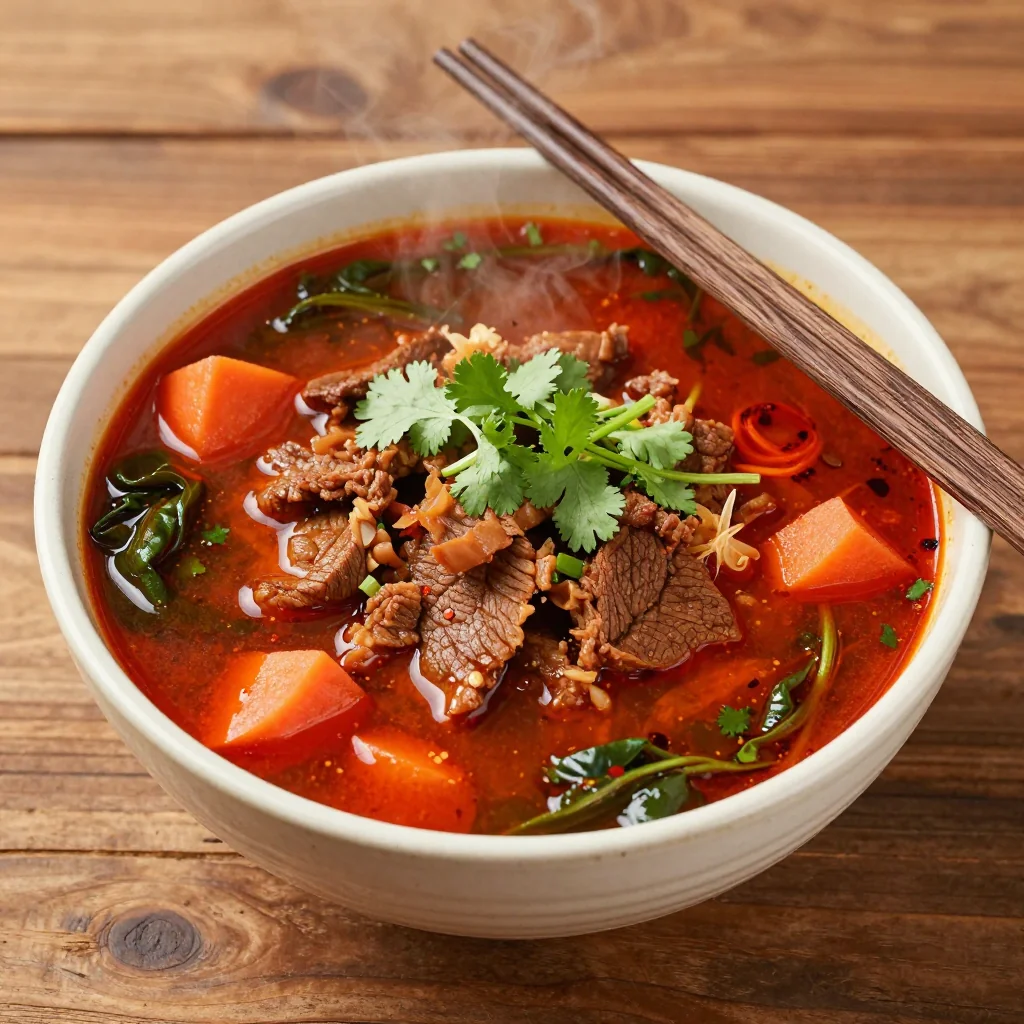
Using a slotted spoon, carefully place one egg atop each noodle nest. Ladle hot broth and mushrooms around (not over) the egg to keep it pristine. Add a handful of spinach to each bowl—it will wilt from the residual heat. Drizzle with remaining sesame oil and chili crisp. Garnish with green onion tops and a sprinkle of everything seasoning.
The Waiting Game
Let bowls rest for 2 minutes before serving—this allows flavors to meld and prevents burnt tongues. Serve with chopsticks and a large spoon. The proper technique involves slurping noodles while they're hot, then alternating between broth sips and egg bites. Encourage guests to mix the egg yolk into the broth for extra richness.
Expert Tips
Temperature Control
Keep broth between 180-190°F for optimal egg poaching. Too hot and eggs become rubbery; too cool and whites won't set properly. An instant-read thermometer takes the guesswork out of achieving perfection.
Make-Ahead Magic
Prepare the broth up to 3 days ahead and refrigerate. When ready to serve, simply reheat and add fresh eggs and noodles. The flavors actually deepen and improve with time.
Chili Oil Selection
Not all chili oils are created equal. Look for ones with visible pepper flakes, Sichuan peppercorns, and crispy shallots. Laoganma is my go-to, but homemade chili crisp takes this to another level entirely.
The Perfect Jammy Egg
Room temperature eggs prevent cracking and cook more evenly. For extra insurance, add a splash of vinegar to the broth—it helps whites coagulate faster for picture-perfect presentation.
Noodle Water Wisdom
Save 1/4 cup of the starchy noodle water before draining. If your broth seems thin, add this magic liquid—it contains starches that naturally thicken and help sauces cling to noodles.
Late-Night Adaptations
For midnight cravings, skip the egg and add tofu cubes instead. They warm through in the hot broth without extra cooking time, satisfying those urgent hunger pangs faster.
Variations to Try
Seafood Lover's Dream
Replace eggs with 6-8 medium shrimp or bay scallops. Add them during the last 2 minutes of cooking—they'll turn opaque and sweet, creating a luxurious seafood broth that tastes like coastal Asia.
Creamy Coconut Version
Substitute 1 cup of broth with full-fat coconut milk. This creates a creamy, almost laksa-like broth that tempers the heat while adding tropical richness. Finish with lime juice for brightness.
Miso-Mushroom Vegan
Double the miso paste, use vegetable broth, and add 2 tablespoons of nutritional yeast for cheesy depth. Replace eggs with marinated tofu cubes and finish with a drizzle of truffle oil for luxury.
Breakfast Ramen Twist
Add crispy bacon bits and a soft-boiled egg with a runnier yolk. The smoky bacon fat mingles with the spicy broth, creating a breakfast-for-dinner situation that satisfies on a primal level.
Green Goddess Edition
Blend a handful of cilantro, Thai basil, and green onion tops with a splash of broth. Stir this vibrant green purée into the finished soup for a fresh, herbaceous twist that brightens every bite.
Cheese Ramen Fusion
Stir in 1/4 cup of shredded sharp cheddar or American cheese off-heat. The cheese melts into the broth, creating a spicy, creamy sauce that coats noodles in an outrageously indulgent way.
Storage Tips
The broth base stores beautifully in an airtight container for up to 4 days refrigerated or 3 months frozen. However, always store components separately for best results. Keep cooked noodles in a separate container tossed with a teaspoon of sesame oil to prevent sticking—they'll stay fresh for 2 days. Eggs should be cooked fresh, but hard-boiled eggs can be prepped 5 days ahead and stored unpeeled in the refrigerator. For meal prep success, divide cooled broth into freezer-safe mason jars, leaving 1 inch of headspace for expansion. Thaw overnight in the refrigerator, then reheat gently—never microwave frozen glass! The miso and gochujang may settle, so whisk well while reheating. Prepared mushrooms and green onions can be stored together in a zip-top bag with a paper towel to absorb excess moisture. If you must store assembled ramen (though I don't recommend it), undercook noodles by 1 minute since they'll continue softening in the broth. Reheat with a splash of water or broth to loosen, but accept that the texture won't match freshly made. The microwave works in a pinch—heat 60 seconds, stir, then another 30-45 seconds until steaming. For best results, reheat broth separately until simmering, then pour over fresh-cooked noodles.Frequently Asked Questions
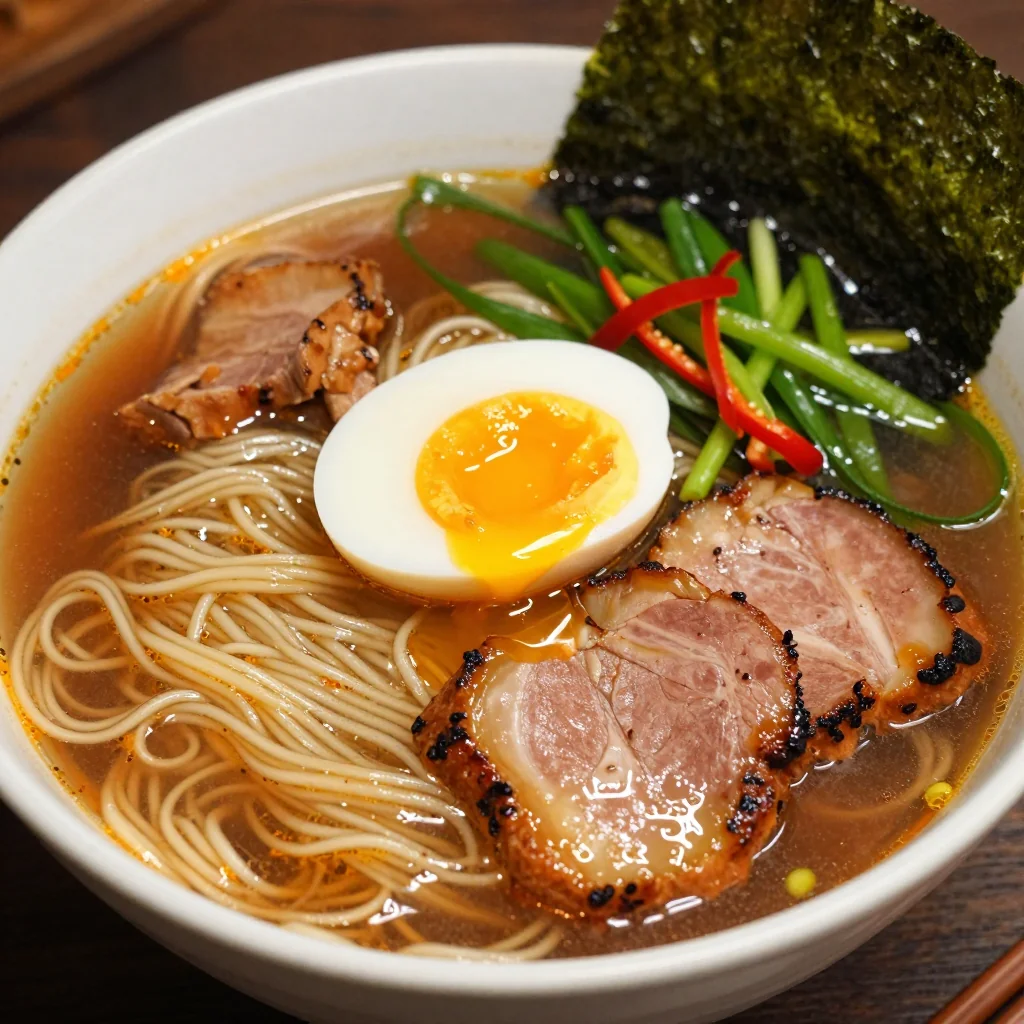
Spicy Ramen Noodle Upgrade for Cozy Nights In
Ingredients
Instructions
- Prepare aromatics: Heat 1 teaspoon sesame oil in a medium pot over medium heat. Sauté white parts of green onions for 30 seconds. Add miso and gochujang, stirring constantly for 30 seconds.
- Build broth: Slowly whisk in broth, soy sauce, honey, and rice vinegar. Bring to a gentle simmer.
- Cook mushrooms: Add shiitake mushrooms and simmer 3-4 minutes until tender.
- Poach eggs: Reduce heat to low. Crack eggs into small bowls, then gently slide into broth. Cover and poach 6 minutes for jammy centers.
- Cook noodles: While eggs poach, cook ramen noodles in a separate pot according to package directions minus 30 seconds. Drain and divide between bowls.
- Assemble: Place one egg atop each noodle nest. Ladle broth and mushrooms around eggs. Add spinach, remaining sesame oil, chili crisp, green onion tops, and seasoning.
Recipe Notes
For best results, use room temperature eggs to prevent cracking. Adjust gochujang amount to control heat level. Broth can be made ahead and refrigerated for up to 4 days—flavors actually improve!