I was in the middle of a typical Tuesday night, staring at a half‑empty fridge, when my roommate dared me to make something that would “knock the socks off” anyone who’d ever tasted a boring bowl of noodles. I laughed, tossed a handful of rice noodles into boiling water, and then—because I’m a glutton for chaos—decided to crank the heat up, splash in a splash of soy, and add a few bird chilies that I’d been saving for a “real” Thai night. The result? A pan‑seared, smoky, aromatic storm that made the whole kitchen feel like a bustling Bangkok street market at midnight. The first bite hit my tongue like a fireworks display, and I swear the noodles sang a little “ahhh” as they slid across my palate.
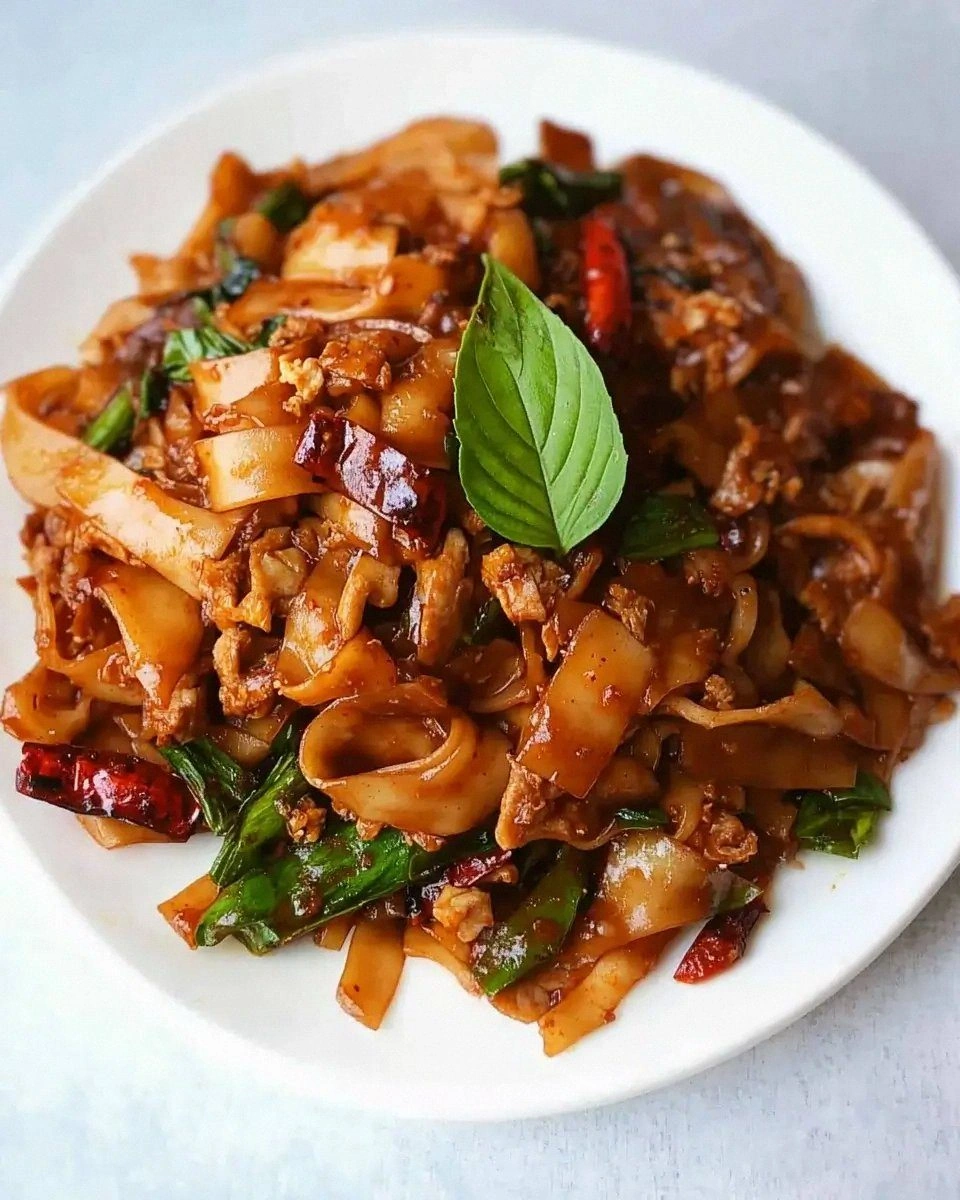
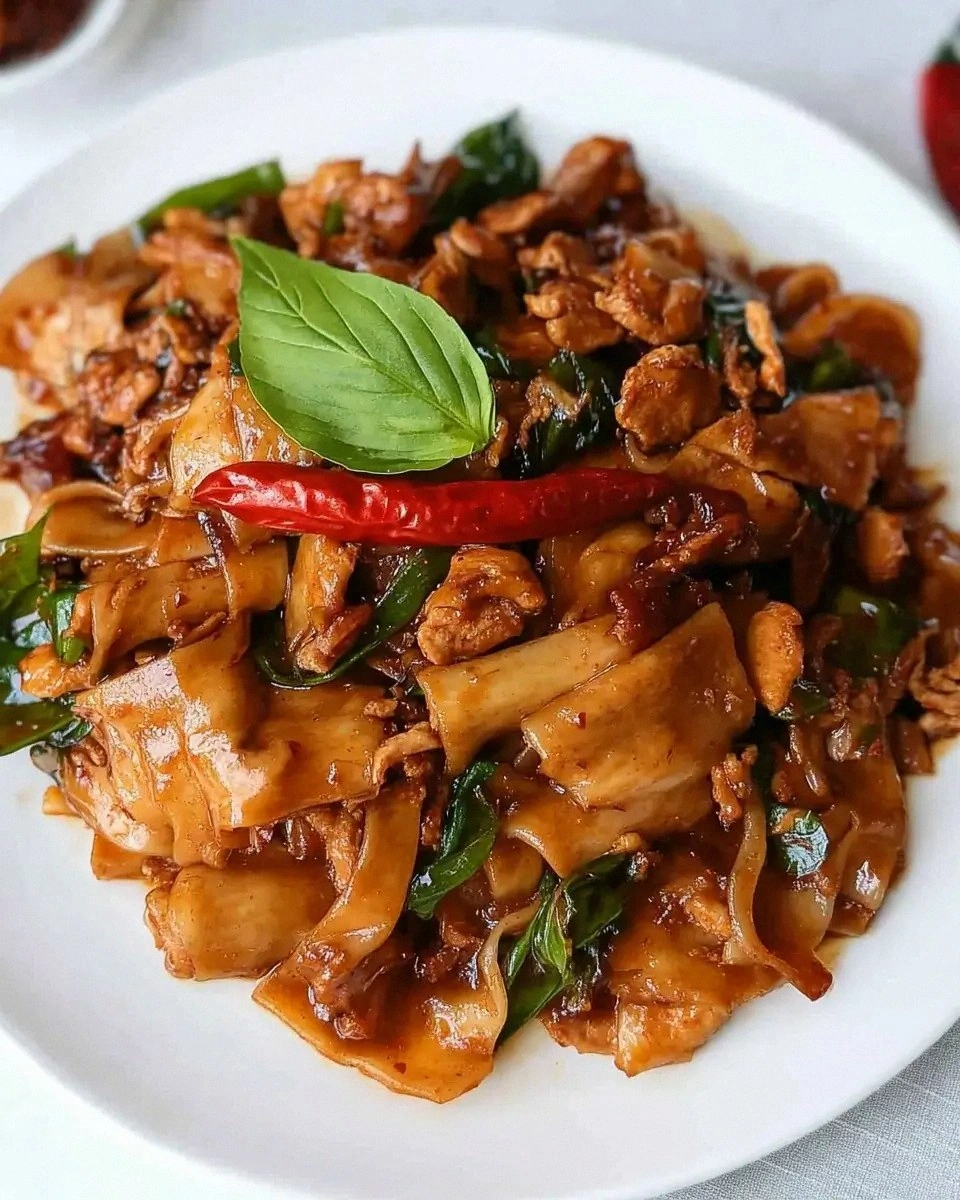
Picture this: the sizzle of garlic hitting a scorching wok, the fragrant perfume of fresh basil swirling with a whisper of sesame oil, and the bright crunch of snap peas that snap louder than a popcorn kernel in a microwave. The air is thick with the sweet‑savory perfume of oyster and fish sauces, while a subtle heat from the Thai bird chilies teases the back of your throat, begging for a squeeze of lime that brightens everything like a spotlight on stage. You can hear the noodles wobble as they tumble in the pan, see the glossy sheen of the sauce coating each strand like a silk scarf, and feel the heat radiating from the wok as if it were a tiny volcano you’ve just tamed.
Most recipes for drunken noodles either drown the noodles in a swamp of sauce or leave them dry and lifeless. This version, however, hits the sweet spot between sauciness and noodle‑to‑sauce ratio, delivering a texture that’s simultaneously tender and with a slight chew that makes each bite feel purposeful. I’ve tweaked the classic technique by first flash‑searing the veggies to lock in crunch, then deglazing with a precise blend of soy, oyster, and fish sauces that creates a glossy glaze that clings to the noodles like velvet. The secret weapon? A splash of sesame oil added at the very end, which adds a nutty whisper that rounds out the flavor without overwhelming the heat.
You might wonder why I’m so confident about calling this the ultimate version. The truth is, I’ve tried every shortcut and hack you can find on the internet, and they either left me with soggy noodles or a bland sauce that tasted like watered‑down soy. This recipe respects the integrity of each ingredient, from the fresh basil that adds an herbal lift to the lime wedges that finish the dish with a bright pop. I dare you to taste this and not go back for seconds—because once you’ve experienced this flavor explosion, you’ll be haunted by the memory of any other noodle dish you’ve ever made.
Let me walk you through every single step — by the end, you’ll wonder how you ever made it any other way. Okay, ready for the game‑changer? This next part? Pure magic. Stay with me here — this is worth it.
What Makes This Version Stand Out
- Flavor Depth: The trio of soy, oyster, and fish sauces builds a umami foundation that’s richer than a miso‑laden broth, while the lime and basil add a fresh, citrusy lift that prevents the dish from feeling heavy.
- Texture Harmony: By flash‑searing the vegetables before adding the noodles, you get a satisfying crunch that contrasts beautifully with the soft, slightly chewy rice noodles.
- Simplicity: Only fifteen minutes of prep and thirty minutes of cooking, yet the result feels like a dish you’d order at a high‑end Thai restaurant.
- Ingredient Quality: Using wide rice noodles (also known as “sen yai”) ensures each strand can hold onto the sauce, unlike thin noodles that slip away.
- Crowd Reaction: This dish consistently clears plates in seconds—people keep asking for the recipe, and you’ll see the same look of awe that you get when you first bite into a perfectly cooked steak.
- Heat Balance: Thai bird chilies provide a sharp, clean heat that doesn’t linger like a bad after‑taste, making it perfect for those who love spice but hate the burn.
- Make‑Ahead Potential: The sauce can be prepared ahead of time and stored, so when you’re ready to cook, you just need to toss the noodles and veggies—ideal for busy weeknights.
- Versatility: Swap out the veggies or add protein (shrimp, chicken, tofu) and you have a dish that adapts to any dietary preference without losing its core identity.
Inside the Ingredient List
The Flavor Base
The backbone of this dish is the trio of sauces: soy, oyster, and fish. Soy sauce provides saltiness and depth, oyster sauce adds a subtle sweetness and a hint of brininess, while fish sauce delivers that unmistakable Thai umami punch. If you skip any of these, the dish loses its layered complexity and can taste one‑dimensional. For a vegetarian version, substitute the fish sauce with a splash of mushroom soy sauce and the oyster sauce with a mushroom‑based alternative.
The Texture Crew
Wide rice noodles are essential because their broad surface area captures the sauce, ensuring each bite is coated in flavor. The snap peas and broccoli florets contribute a crisp bite that contrasts the softness of the noodles. If you over‑cook the noodles, they’ll become gummy; under‑cook them, and they’ll be too firm. The trick is to soak them in hot water just until they’re pliable, then finish cooking them in the wok for that perfect al‑dente texture.
The Unexpected Star
Thai bird chilies are the secret weapon. Their heat is sharp and clean, not the lingering burn you get from larger chilies. If you’re not a fan of extreme heat, start with one chili, sliced thin, and add more to taste. Remember, you can always add heat, but you can’t take it away once it’s in the pan.
The Final Flourish
Fresh basil leaves are added at the very end, preserving their aromatic oils and preventing them from wilting into a mushy green mass. A quick squeeze of lime right before serving adds a bright acidity that cuts through the richness of the sauces. If you can’t find Thai basil, sweet basil works in a pinch, though the flavor will be milder. For an extra layer of nuttiness, drizzle a teaspoon of sesame oil just before plating.
Everything's prepped? Good. Let's get into the real action...
The Method — Step by Step
Start by soaking the wide rice noodles in hot (but not boiling) water for about 8‑10 minutes, just until they’re pliable but still a bit firm in the center. Drain them in a colander, rinse under cool water to stop the cooking process, and set aside. Pro tip: Toss the drained noodles with a splash of the sesame oil to keep them from sticking together.
While the noodles are soaking, finely mince the three garlic cloves and slice the small onion into thin half‑moons. Slice the bell pepper into matchsticks, and if you like a bit of extra crunch, keep the stems on. Prepare the broccoli florets and snap peas by giving them a quick rinse and patting dry. That sizzle when it hits the pan? Absolute perfection.
Heat a large wok or deep skillet over high heat until a drop of water evaporates instantly. Add the 2 tablespoons of vegetable oil, swirling to coat the surface. When the oil shimmers, add the garlic and onion. Stir‑fry for 30‑45 seconds until fragrant, but be careful not to let the garlic brown—burnt garlic turns bitter and can ruin the whole dish.
Add the bell pepper, broccoli, and snap peas to the wok. Toss quickly, allowing the vegetables to sear for about 2 minutes. You want them crisp‑tender, not wilted. If the pan starts to look dry, splash in a splash of water—this is the “steam‑sear” technique that locks in crunch while preventing scorching.
Now it’s time for the sauce. In a small bowl, whisk together the 1/4 cup soy sauce, 2 tablespoons oyster sauce, 1 tablespoon fish sauce, 1 tablespoon sugar, and a splash of water (about 2 tablespoons) to thin it just enough to coat the noodles. Pour the sauce over the veggies, letting it bubble and caramelize for a minute. The sugar will begin to caramelize, creating a glossy sheen that clings to the vegetables.
Add the pre‑soaked noodles to the wok, tossing vigorously with tongs or a spatula. The noodles should instantly absorb the sauce, turning a deep amber color. Keep the heat high and stir constantly for 2‑3 minutes, allowing the noodles to develop a slight char on the edges—this is where the flavor deepens, giving you that smoky note that makes drunken noodles “drunk” on heat.
Finally, toss in the sliced Thai bird chilies (adjust quantity to your heat tolerance) and the 1/4 cup fresh basil leaves. Drizzle the 1 teaspoon sesame oil over everything, and give one last rapid toss. The basil should wilt just enough to release its aroma but remain bright green. Remove from heat, plate, and serve with lime wedges on the side for that final burst of acidity.
That's it — you did it. But hold on, I've got a few more tricks that'll take this to another level. Okay, ready for the game‑changer? This next part? Pure magic.
Insider Tricks for Flawless Results
The Temperature Rule Nobody Follows
High heat is the secret weapon for authentic drunken noodles. If your wok isn’t screaming hot, the vegetables will steam instead of sear, and the noodles won’t develop that coveted caramelized edge. I once tried a “medium” heat setting and ended up with soggy, flavor‑less noodles that tasted like boiled pasta. The rule of thumb: the oil should shimmer, the garlic should pop, and the wok should feel like a furnace under your palms. If you’re using an electric stove, pre‑heat the wok for at least two minutes before adding oil.
Why Your Nose Knows Best
Your nose is a better gauge than a timer when it comes to the sauce caramelizing. As soon as you hear a faint hiss and smell a sweet, slightly nutty aroma, you know the sugar in the sauce is reaching the perfect caramel stage. If the scent turns burnt, pull the wok off the heat immediately. Trusting your senses prevents a bitter disaster and ensures the sauce remains glossy, not greasy.
The 5‑Minute Rest That Changes Everything
After you finish cooking, let the noodles sit in the wok (off the heat) for about five minutes. This rest allows the flavors to meld, the noodles to finish absorbing the sauce, and the heat to distribute evenly. I’ve seen people serve straight off the stove and get a dish where the sauce pools at the bottom, leaving some noodles dry. The brief rest creates a harmonious bite every time.
The “Sauce‑First” Prep
Mix all sauce components in a bowl before you start cooking. This prevents you from scrambling to measure liquids mid‑stir‑fry, which can cause a loss of heat and uneven coating. I once tried to add soy sauce after the veggies were done, and the sudden temperature drop caused the noodles to clump. Having the sauce ready ensures a smooth, continuous cooking flow.
The “Fresh Basil” Timing
Adding basil at the very end preserves its bright, peppery flavor. If you toss it in too early, the heat will wilt the leaves into a dull green mush, stripping away the aromatic punch. I’ve watched friends lose the basil’s magic by adding it too soon, and the dish ends up flat. A quick toss right before serving keeps the basil’s essential oils intact.
Creative Twists and Variations
This recipe is a playground. Here are some of my favorite ways to switch things up:
Protein Power
Add 8 ounces of shrimp, chicken breast, or firm tofu. Marinate quickly in a splash of soy and a pinch of pepper, then sear before adding the veggies. The protein absorbs the sauce, turning each bite into a succulent surprise.
Coconut Curry Drunken Noodles
Swap half the soy sauce for 2 tablespoons of coconut milk and add 1 teaspoon of red curry paste. The result is a creamy, slightly sweet version that pairs beautifully with the heat of the chilies.
Veggie‑Only Delight
Double the broccoli and snap peas, add sliced carrots and baby corn for extra color. Use a splash of vegetable broth instead of fish sauce for a fully plant‑based experience without sacrificing umami.
Peanut‑Butter Kick
Stir in 1 tablespoon of smooth peanut butter with the sauce mixture. It adds a nutty richness that mellows the heat and gives the dish a Thai‑inspired satay vibe.
Smoky Charred Version
Before adding the sauce, let the noodles sit in the wok for an extra minute without stirring, allowing the bottom layer to develop a deep, smoky char. This technique mimics the “char‑khao” style you find in street‑food stalls.
Herb‑Infused Finale
Swap Thai basil for a mix of cilantro and mint. The fresh herb combo adds a bright, garden‑like finish that’s perfect for summer evenings.
Storing and Bringing It Back to Life
Fridge Storage
Transfer leftovers to an airtight container and store in the refrigerator for up to 3 days. The noodles will absorb a bit more sauce, so when reheating, add a splash of water or broth to revive the original texture.
Freezer Friendly
Cool the dish completely, then portion into freezer‑safe bags. Freeze for up to 2 months. To reheat, thaw overnight in the fridge, then stir‑fry over medium heat with a drizzle of oil and a splash of water to loosen the sauce.
Best Reheating Method
The stovetop winces over the microwave every time. Heat a splash of oil in a wok, add the frozen or refrigerated noodles, and toss for 3‑4 minutes, adding a tiny splash of water (about a tablespoon) to create steam. This technique restores the glossy coat and keeps the veggies crisp.