Picture this: it’s a chilly Saturday morning, the kind where the wind whispers through the trees and the kitchen feels like a warm sanctuary. I was half‑asleep, clutching a mug of coffee that tasted more like burnt rubber than comfort, when my roommate barged in with a half‑finished pumpkin puree and a daring grin. “Let’s make something that’ll make the whole house smell like autumn,” she declared, and I thought, “Why not turn this kitchen into a pumpkin‑spice wonderland?” The result? A loaf that practically glows with moisture, a crumb so tender it practically melts on your tongue, and a flavor profile that could convert even the most stubborn pumpkin‑averse skeptic.
The moment the batter hit the bowl, the kitchen was filled with a sweet, earthy aroma that reminded me of a crisp fall day in a pumpkin patch, the kind where you can hear the rustle of leaves underfoot and feel the sun’s last warm rays on your skin. I could hear the faint crackle of the oven preheating, the gentle whir of the stand mixer, and—most importantly—the soft, comforting sigh of the batter as it settled into the greased loaf pan. The texture was thick and glossy, a perfect marriage of pumpkin puree and butter that promised a moist crumb. My hands felt the weight of the batter, cool and slightly sticky, a tactile reminder that something truly special was about to happen.
Now, most pumpkin bread recipes end up either dry as a desert or soggy enough to double as a pancake. Most recipes get this completely wrong. Here’s what actually works: a strategic balance of leavening agents, a splash of buttermilk for tang, and a secret ingredient that adds a buttery richness without overwhelming the pumpkin’s natural sweetness. The result? This is hands down the best version you'll ever make at home. I dare you to taste this and not go back for seconds—trust me, you’ll be counting down the minutes until the next loaf.
And the kicker? I’ll be honest — I ate half the batch before anyone else got to try it. The secret? A pinch of cream cheese folded into the batter at the very end, which creates pockets of silk‑smooth moisture that keep the bread from ever going stale. Let me walk you through every single step — by the end, you'll wonder how you ever made it any other way.
What Makes This Version Stand Out
- Moisture: The addition of cream cheese and buttermilk creates a custardy interior that stays soft for days.
- Flavor Depth: A blend of warm spices and a splash of vanilla gives layers of taste that unfold with each bite.
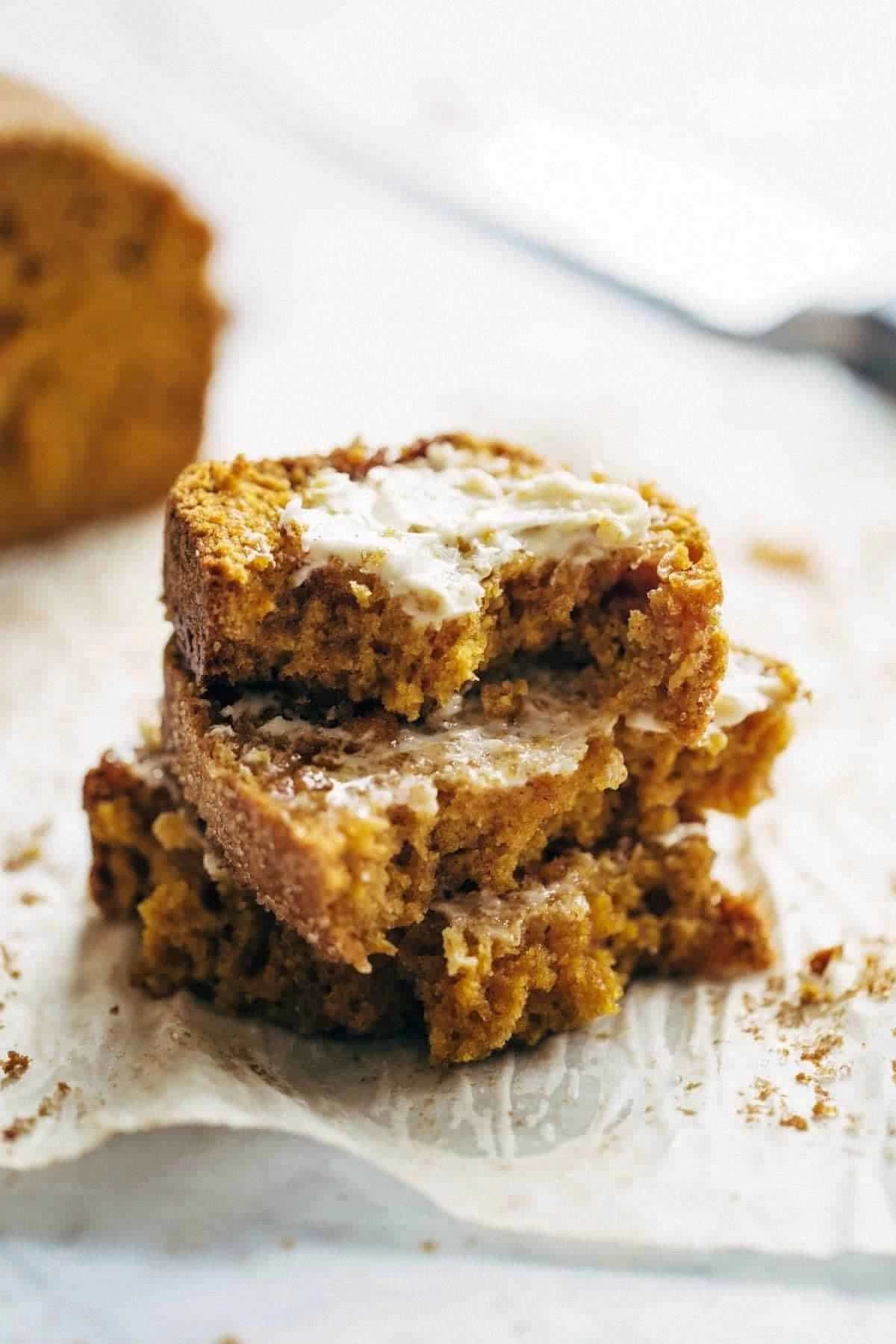
- Texture Harmony: The crumb is tender yet sturdy enough to hold butter or jam without crumbling apart.
- Simplicity: Only 12 pantry staples are needed, and the method is fool‑proof for beginners.
- Crowd‑Pleaser: Even the kids, who usually turn their noses up at pumpkin, can’t resist the sweet aroma.
- Ingredient Quality: Using pure pumpkin puree (not canned pie filling) ensures an authentic, earthy base.
- Cooking Method: A low‑and‑slow bake at 325°F locks in moisture while developing a caramelized crust.
- Make‑Ahead Potential: This loaf freezes beautifully and reheats like it just came out of the oven.
Inside the Ingredient List
The Flavor Base
Pumpkin Puree (1 cup): This is the heart of the loaf, delivering that unmistakable earthy sweetness. Choose a puree that’s 100% pumpkin, not the sugary pie filling, to keep the flavor pure. If you skip it, you’ll end up with a bland bread that tastes more like a regular quick‑bread than a pumpkin masterpiece. A good tip: use a fresh‑pressed puree from a can that’s been refrigerated; it retains a brighter color and fresher taste.
Sugar (1 cup): Granulated sugar sweetens and also helps with browning, giving the crust a caramel‑kissed finish. You can swap half of it for brown sugar for a deeper, molasses‑like note. If you leave it out, the bread will be flat and lack that inviting sweetness that makes you want a second slice.
Butter (½ cup, melted): Melted butter adds richness and contributes to the moist crumb. Using unsalted butter lets you control the salt level precisely. If you replace it with oil, you’ll lose some of the buttery flavor that makes this bread so decadent.
The Texture Crew
All‑Purpose Flour (2 cups): Flour provides structure, but too much can make the loaf dense. That’s why we keep the amount moderate and pair it with a leavening blend. If you substitute whole‑wheat flour, expect a heartier texture and a slightly nutty flavor—just be sure to increase the liquid by a tablespoon.
Eggs (2 large): Eggs act as a binder and add lift, creating a tender crumb. They also contribute to the golden color of the crust. Skipping eggs will result in a crumb that’s too crumbly and won’t hold together well.
Buttermilk (½ cup): The acidity of buttermilk reacts with the baking soda, giving the bread a subtle rise and a slight tang that balances the sweetness. If you don’t have buttermilk, mix ½ cup milk with ½ tsp lemon juice and let it sit for five minutes.
The Unexpected Star
Cream Cheese (¼ cup, softened): This is the secret weapon. When folded in at the end, it creates pockets of creamy moisture that keep the loaf from drying out. It also adds a faint tang that brightens the overall flavor. If you’re dairy‑free, replace with a plant‑based cream cheese; the texture will stay, though the tang will be milder.
Vanilla Extract (1 tsp): A splash of vanilla amplifies the aromatic profile, making the scent more inviting. It’s subtle but essential for that bakery‑level depth.
The Final Flourish
Spice Blend (1 tsp cinnamon, ½ tsp ginger, ½ tsp nutmeg, ¼ tsp cloves): This quartet of warm spices is the signature of pumpkin bread. Each spice contributes its own character—cinnamon’s warmth, ginger’s bite, nutmeg’s earthiness, and cloves’ sweet pungency. If you’re feeling adventurous, add a pinch of cardamom for an exotic twist.
Baking Soda (1 tsp) & Baking Powder (1 tsp): The duo ensures the loaf rises evenly and doesn’t become gummy. Baking soda reacts with the acidity of the pumpkin and buttermilk, while baking powder adds extra lift. Over‑mixing these can cause the bread to rise too quickly and then collapse.
Salt (1 tsp): Salt enhances all the flavors and balances the sweetness. A pinch too much can make the loaf taste briny, so measure carefully.
Optional: Chopped Walnuts (½ cup): Nuts add crunch and a buttery flavor that contrasts the soft crumb. If you’re allergic, substitute with dried cranberries for a sweet‑tart pop.
Everything's prepped? Good. Let's get into the real action...
The Method — Step by Step
Preheat your oven to 325°F (163°C) and grease a 9×5‑inch loaf pan with butter or non‑stick spray. While the oven warms, line the pan with parchment paper; this ensures a clean release and a perfect top edge. The heat should be gentle—high temperatures bake the crust too fast, leaving the interior undercooked. Let the pan sit on the counter for a minute; the metal will retain a touch of heat that helps the batter settle evenly.
In a large mixing bowl, whisk together the flour, baking soda, baking powder, salt, and all the spices until fragrant. The spices will release their aromatics, and you’ll notice a faint cloud of scent—this is your first hint of the magic to come. If you prefer, sift the dry ingredients; it creates a lighter crumb by aerating the flour. Watch the texture—it should be a uniform, speckled powder with no clumps.
In a separate bowl, combine the melted butter, pumpkin puree, and sugar. Beat with a whisk until the mixture turns a deep amber hue and looks glossy.
This step is crucial because the butter‑pumpkin emulsion traps steam during baking, which is the secret to that melt‑in‑your‑mouth texture.Kitchen Hack: Warm the pumpkin puree slightly before mixing; it integrates more smoothly with the butter.Add the eggs one at a time, beating after each addition until fully incorporated. The batter will become thicker, almost like a custard. Follow with the vanilla extract and the softened cream cheese, folding gently with a rubber spatula. This is the moment of truth—if you over‑mix, the gluten will develop and the loaf will become tough.
Stir in the buttermilk until the batter reaches a pourable consistency, similar to a thick pancake batter. The batter should be smooth, with no visible lumps. If it looks too thick, add a tablespoon of extra milk; if too runny, sprinkle in a bit more flour—just a teaspoon at a time.
Now, combine the wet and dry mixtures. Using a gentle folding motion, incorporate the flour blend into the pumpkin mixture until just combined. The batter will look slightly lumpy—that’s perfect. Over‑mixing at this stage can cause the loaf to rise unevenly and develop a dense crumb.
Watch Out: Stop mixing the moment the flour disappears; a few streaks are okay.Fold in the optional walnuts (or dried cranberries) now, distributing them evenly. This adds a delightful crunch that contrasts the soft crumb. The batter should be thick enough to hold the nuts in suspension without sinking to the bottom.
Pour the batter into the prepared loaf pan, smoothing the top with a spatula. The surface should be level but not packed down—let the batter breathe. Place the pan on the middle rack of the oven and bake for 30‑35 minutes, or until a toothpick inserted into the center comes out clean with just a few moist crumbs.
When the loaf is done, the edges will start pulling away from the pan, and the top will have a deep golden‑brown hue that smells like a caramelized pumpkin field. Remove the pan from the oven and let the bread cool in the pan for 10 minutes; this prevents it from collapsing. Then, turn it out onto a wire rack to finish cooling completely. This final cooling step lets the steam escape, preserving that perfect crumb structure.
That's it — you did it. But hold on, I've got a few more tricks that'll take this to another level. Stay with me here — this is worth it.
Insider Tricks for Flawless Results
The Temperature Rule Nobody Follows
Most home bakers blast their ovens at 350°F or higher, assuming a faster bake means a better crumb. In reality, a lower temperature (325°F) allows the interior to set before the crust hardens, locking in moisture. I once tried the “quick bake” method and ended up with a dry, crumbly top. Trust the low‑and‑slow approach, and you’ll get that buttery, tender interior every time.
Why Your Nose Knows Best
Don’t rely solely on a timer. Around the 25‑minute mark, start checking the aroma. When the kitchen fills with a sweet, toasted pumpkin scent, you’re close. The smell is a reliable indicator that the Maillard reaction is happening, giving the crust that caramelized edge. If you wait for the timer alone, you risk over‑baking.
The 5‑Minute Rest That Changes Everything
After the loaf cools on the rack, let it rest for an extra five minutes before slicing. This short pause lets the steam settle, preventing the crumb from becoming gummy. I used to slice immediately and got a messy, wet slice—now I always wait, and the result is a clean, elegant cut that holds together beautifully.
Butter‑Brush Finish
For an extra glossy top, melt a tablespoon of butter and brush it over the loaf while it’s still warm (about 10 minutes out of the oven). The butter seeps into the crust, creating a shiny, slightly crisp surface that adds a luxurious mouthfeel.
Freezer‑Proof Packing
If you want to store leftovers, wrap the cooled loaf tightly in plastic wrap, then place it in a freezer bag. When you’re ready to enjoy it again, microwave for 20 seconds or warm in a 300°F oven for 10 minutes. The added butter‑brush step earlier helps the bread retain its moisture after thawing.
Creative Twists and Variations
This recipe is a playground. Here are some of my favorite ways to switch things up:
Maple‑Glazed Pumpkin
Swap half the granulated sugar for pure maple syrup and drizzle a thin maple glaze (mix maple syrup with a pinch of powdered sugar) over the loaf while it’s still warm. The result is a sweet, caramel‑rich crust that pairs perfectly with the pumpkin’s earthiness.
Chocolate Chip Surprise
Add ½ cup of dark chocolate chips to the batter for pockets of molten chocolate. The bitter chocolate balances the sweet pumpkin, creating a sophisticated flavor that feels like a dessert and a snack in one bite.
Spiced Orange Zest
Incorporate the zest of one orange and replace the vanilla with orange extract. The citrus brightens the spice profile, giving the bread a fresh, festive twist—great for holiday brunches.
Whole‑Wheat Hearty
Replace half the all‑purpose flour with whole‑wheat flour and add an extra tablespoon of honey. You’ll get a denser, nuttier loaf that’s perfect for a wholesome breakfast, especially when paired with a smear of almond butter.
Vegan Velvet
Swap the butter for coconut oil, use flax‑egg replacements (2 tbsp ground flaxseed + 6 tbsp water per egg), and replace the cream cheese with a vegan cream cheese alternative. The texture remains ultra‑moist, proving you don’t need dairy to achieve decadence.
Pumpkin Streusel Crunch
Top the batter with a streusel made from brown sugar, flour, butter, and a pinch of cinnamon before baking. The streusel forms a crunchy, caramelized crown that adds textural contrast to the soft interior.
Storing and Bringing It Back to Life
Fridge Storage
Wrap the cooled loaf tightly in plastic wrap or store it in an airtight container. It will stay fresh for up to five days. The cool environment keeps the crumb from drying, and the flavor actually deepens after a day or two.
Freezer Friendly
Slice the loaf first, then wrap each slice in parchment and foil before placing them in a freezer bag. The loaf will keep for up to three months. When you’re ready to eat, thaw at room temperature for 30 minutes, then warm in a 300°F oven for 5‑7 minutes.
Best Reheating Method
To revive that melt‑in‑your‑mouth texture, lightly brush the slice with a teaspoon of water before microwaving for 15‑20 seconds, or pop it in a preheated skillet for a quick toast. The splash of water creates steam that revives the moisture, while the brief heat restores the crust’s slight crunch.