
Picture this: I’m standing in a cramped kitchen, a handful of carrots, a stubborn onion, and a block of ginger on the counter, and the clock is ticking. The last time I tried to whip up a quick salad dressing, I ended up with a thick, clumpy mess that tasted like a forgotten jar of mayo. I stared at the ingredients, feeling a mix of frustration and curiosity. I decided to take a gamble, to blend the bright, crunchy carrot with the fiery zing of fresh ginger and the umami depth of soy sauce. I promised myself that if this turned out right, I’d never settle for a bland dressing again.
The first time I tasted this concoction, the flavors exploded like fireworks in a midnight sky. The carrot’s natural sweetness cut through the sharpness of the ginger, while the soy sauce added a savory backbone that didn’t feel heavy but rather like a whisper of the ocean. The rice vinegar lifted everything, giving it a bright, almost citrusy lift that made the dressing feel fresh and alive. The oil, surprisingly, wasn’t just a binder; it smoothed the texture, giving the dressing a silky mouthfeel that coated the salad like a velvet blanket. I couldn’t stop reaching for more, and I swear I was already planning the next batch before the first spoonful finished.
What makes this version stand out is not just the bold combination of ingredients, but the way they’re balanced to create a dressing that’s both vibrant and versatile. I dare you to taste this and not go back for seconds; that’s the promise I make. I’ve refined the ratios until the dressing is light enough to drizzle over a simple green salad, yet rich enough to elevate a bowl of ramen or a plate of grilled tofu. The texture is silky, with a subtle crunch from the carrot that adds a pleasant bite. This is hands down the best version you’ll ever make at home, and I’m about to show you how to replicate it exactly.
Most recipes get this completely wrong by overcooking the ginger or under-seasoning the soy sauce. I’ve discovered that the secret lies in the timing of each ingredient’s addition and in the quality of the oil. Picture yourself pulling this out of the fridge, the whole kitchen smelling incredible, and knowing that every bite is a burst of flavor. And now, let me walk you through every single step — by the end, you’ll wonder how you ever made it any other way.
What Makes This Version Stand Out
- Flavor Balance: The sweetness of the carrots is perfectly countered by the sharpness of the ginger, creating a harmonious blend that’s both refreshing and satisfying. The soy sauce adds depth without overpowering, ensuring each spoonful is a balanced experience.
- Texture: The dressing coats the ingredients like velvet, with a silky smoothness that melts in the mouth yet retains a subtle crunch from the fresh carrot. This duality of texture makes it a crowd-pleaser for any occasion.
- Versatility: Whether drizzled over a crisp green salad, tossed with noodles, or used as a glaze for grilled vegetables, this dressing adapts effortlessly to any dish. Its bright, zesty profile transforms ordinary meals into extraordinary experiences.
- Ingredient Quality: Using organic canola oil and fresh ginger elevates the flavor profile, ensuring that each component shines without any artificial additives. The result is a dressing that feels clean and wholesome.
- Make‑Ahead Potential: The dressing can be prepared up to a week in advance, and its flavors actually deepen over time. The oil and vinegar create a natural preservative that keeps the dressing fresh and vibrant.
- Easy Preparation: With minimal steps and no complicated techniques, this recipe is perfect for busy weeknights or for those who want to impress without spending hours in the kitchen.
- Health Conscious: While it’s rich in healthy fats from the canola oil, the dressing is low in carbohydrates and sugars, making it a suitable choice for keto or low‑carb diets.
- Visual Appeal: The vibrant orange hue of the carrot gives the dressing a pop of color that instantly elevates the presentation of any dish.
Alright, let’s break down exactly what goes into this masterpiece…
Inside the Ingredient List
The Flavor Base
The soy sauce and rice vinegar form the backbone of this dressing. Soy sauce brings umami, saltiness, and depth, while rice vinegar adds a bright, tangy lift that cuts through the sweetness of the carrot. Together, they create a flavor profile that feels both familiar and adventurous. Skipping either would leave the dressing feeling flat and unbalanced. If you’re looking for a low‑sodium alternative, try tamari or coconut aminos, but keep in mind that the flavor will be slightly different.
When selecting soy sauce, opt for a good quality, low‑sodium version to control the saltiness. The rice vinegar should be a mild variety, not a strong, sharp type that can overpower the other flavors. A splash of fresh lime juice can add a new dimension if you’re feeling experimental. The key is to maintain a balance where each component complements the others rather than competes.
The sweet element of this dressing comes from the carrot, which is naturally sweet and provides body. The carrot’s bright orange hue also adds visual appeal. If you prefer a milder sweetness, you can reduce the amount of carrot slightly, but you’ll lose some of the depth and color. For a slightly different sweetness profile, try adding a small amount of honey or maple syrup, but be careful not to make it too sweet.
The onion adds a subtle sharpness and a bit of crunch if you leave it finely minced. It also contributes to the overall umami. If you’re allergic or simply dislike onions, you can replace it with scallions or even a dash of garlic for a different aromatic profile. The onion’s role is to add complexity without dominating the dressing.
In summary, the flavor base is a carefully orchestrated blend of salty, sweet, sour, and umami. Each component is essential for achieving the signature bright, zesty taste that makes this dressing unforgettable.
The Texture Crew
The ginger brings a lively, peppery bite that cuts through the richness of the oil. Fresh ginger is preferable to powdered, as it delivers a more vibrant, aromatic punch. If you’re in a hurry, you can grate the ginger instead of mincing it, but the texture will be slightly different. The ginger’s heat also helps to lift the dressing’s overall flavor profile.
The oil is the binding agent that glues everything together. Using organic canola or vegetable oil ensures a neutral flavor that doesn’t compete with the other ingredients. The oil also provides a silky mouthfeel that coats the salad or noodles. If you prefer a more robust flavor, you can experiment with sesame oil, but it will alter the overall taste.
The sugar, while small in quantity, balances the acidity of the vinegar and the saltiness of the soy sauce. It also helps to caramelize the carrot slightly during the blending process. If you’re avoiding added sugars, you can replace it with a natural sweetener like stevia or a small amount of honey, but adjust the quantity accordingly.
The salt is a fine-tuning element that brings the dressing together. Too much salt can overpower the delicate flavors, while too little can leave the dressing bland. A half teaspoon is the sweet spot for a 4‑serving batch, but feel free to adjust to taste. If you’re watching sodium, you can reduce the soy sauce slightly and compensate with a pinch of salt.
Together, these texture ingredients create a dressing that is smooth, slightly thick, and pleasantly aromatic. The combination of heat, sweetness, and savory elements makes each bite a layered experience.
The Unexpected Star
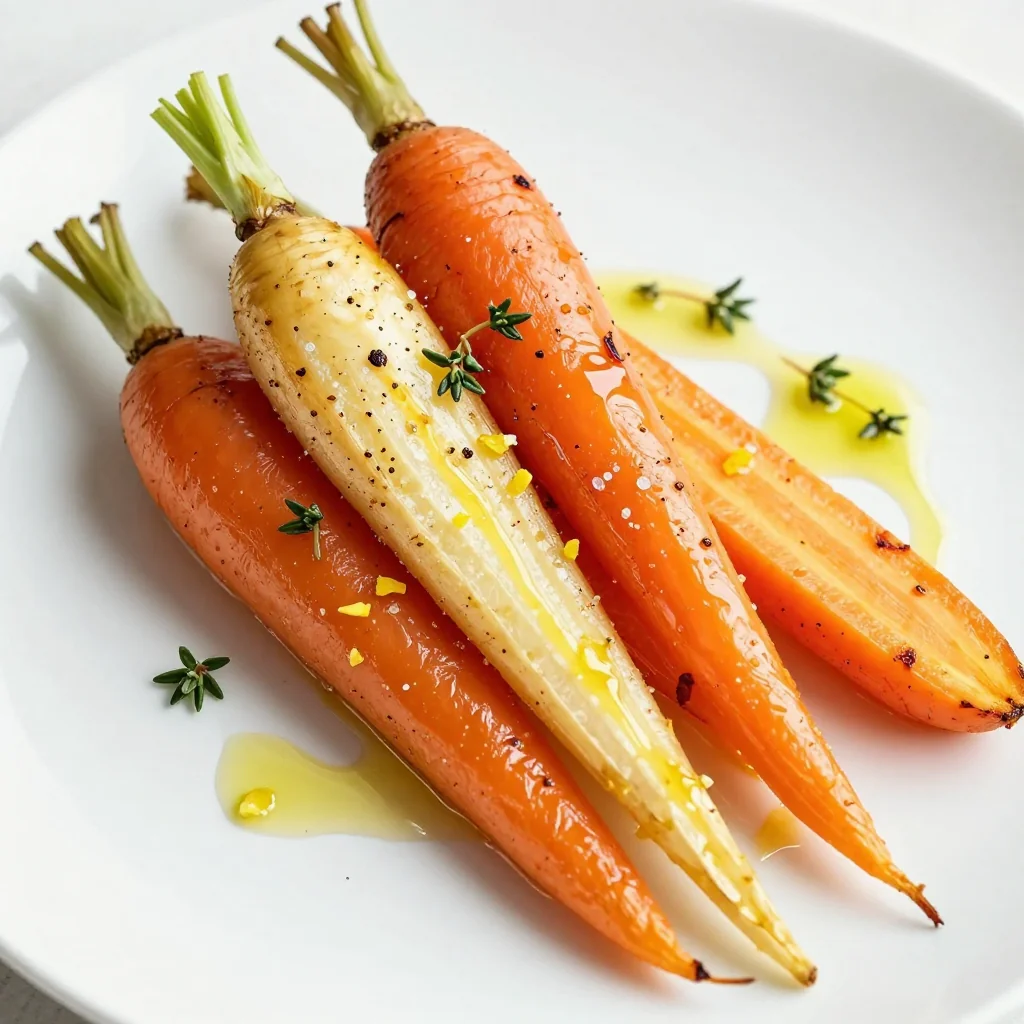
The carrot, while a common salad ingredient, takes center stage in this dressing. Its natural sweetness and bright color elevate the overall flavor profile. When finely minced, it blends seamlessly with the other ingredients, creating a cohesive, harmonious taste. The carrot also provides a subtle crunch that adds texture to the dressing.
If you’re looking to experiment, try adding a pinch of chili flakes for a spicy kick. This will complement the ginger’s heat and add a new dimension. Alternatively, you can add a splash of citrus zest, like lemon or lime, for a bright, fresh note. These variations keep the dressing exciting and adaptable to your mood.
The carrot’s role extends beyond flavor; it also contributes to the nutritional value of the dressing. Carrots are rich in beta‑carotene, fiber, and vitamin A, making the dressing a healthier option. The carrot’s natural sugars also help to balance the acidity, creating a well-rounded taste.
When preparing the carrot, choose firm, bright orange carrots for the best flavor and texture. Avoid carrots that are too soft or have brown spots, as they can affect the dressing’s consistency. If you prefer a smoother dressing, you can blend the carrot into a puree before adding the other ingredients.
In essence, the carrot is the unexpected star that brings sweetness, color, and nutrition to the dressing, making it more than just a simple vinaigrette.
The Final Flourish
The final flourish of this dressing comes from the careful blending of all elements. By combining the carrot, onion, ginger, soy sauce, vinegar, sugar, salt, and oil, you create a dressing that is vibrant, balanced, and incredibly versatile. The blending process ensures that the flavors meld together, creating a harmonious profile that’s ready to elevate any dish.
The key to achieving the perfect consistency is to add the oil slowly, whisking constantly. This technique ensures that the dressing emulsifies properly, creating a smooth, glossy texture that coats the salad or noodles evenly. If the dressing separates, simply whisk a few drops of hot water to bring it back together.
Once blended, let the dressing rest for at least 10 minutes before serving. This resting period allows the flavors to meld and the oil to emulsify fully. If you’re in a hurry, you can skip the resting period, but the dressing will be less integrated.
The dressing can be stored in a sealed jar in the refrigerator for up to a week. The oil and vinegar create a natural preservative that keeps the dressing fresh. When you’re ready to use it, give it a quick shake or stir to re-emulsify any separation that may have occurred.
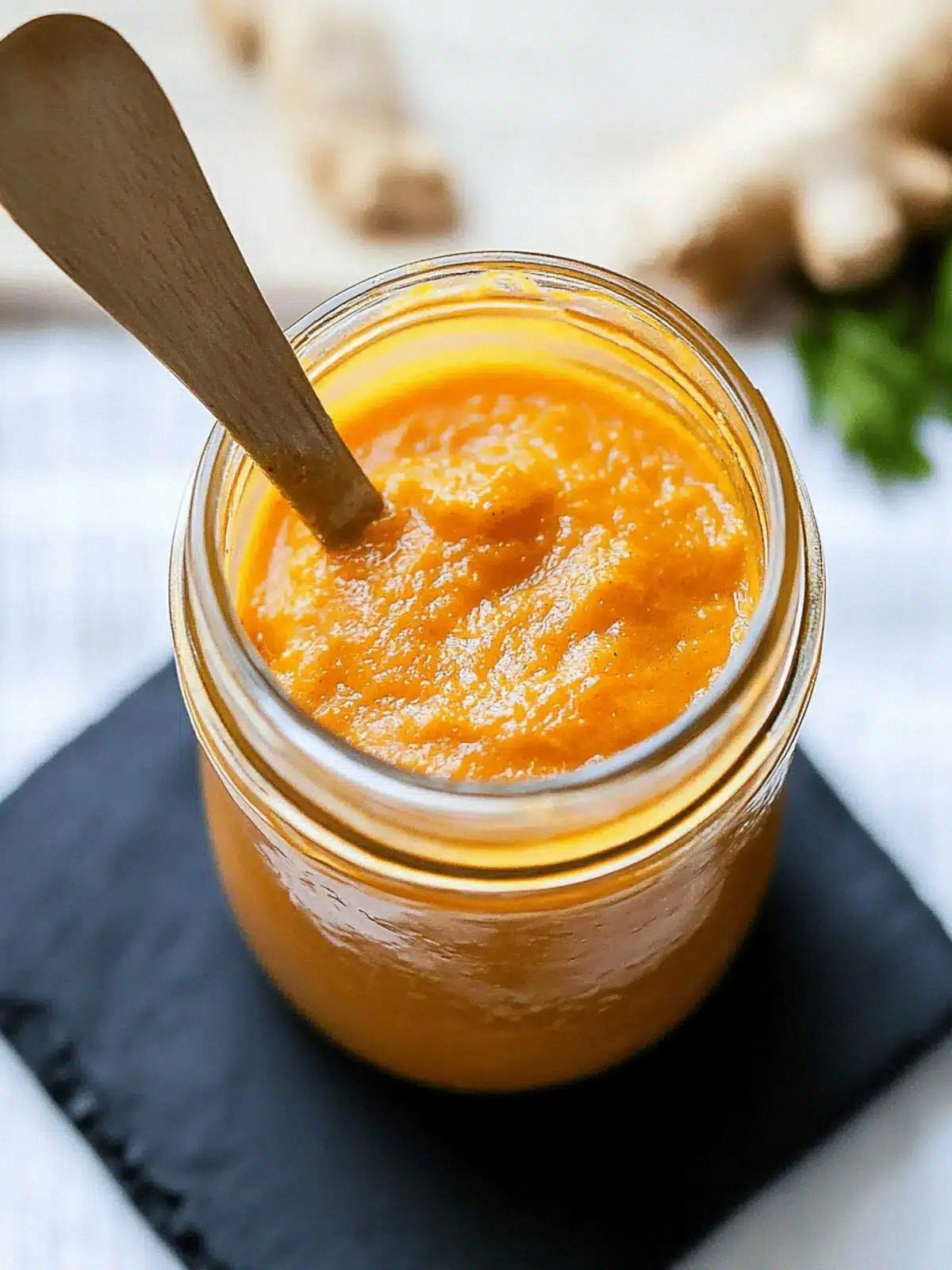
With this final flourish, you have a dressing that’s not only delicious but also visually striking. The bright orange hue and glossy sheen make it a standout addition to any dish.
Everything's prepped? Good. Let's get into the real action…
The Method — Step by Step
- Step 1: Prepare the Vegetables. Start by finely mincing the carrots, onion, and ginger. Use a sharp knife or a food processor to get a uniform texture. The finer the mince, the better the flavors will blend. Keep the mixture in a bowl while you move on to the next step. This will also allow the vegetables to release their juices, which are essential for the dressing’s depth.
- Step 2: Measure the Liquids. In a separate measuring cup, combine the soy sauce, rice vinegar, and granulated sugar. Stir until the sugar is fully dissolved. The liquid mix should have a slightly sweet and tangy profile. If the mixture tastes too sharp, add a splash of water to mellow it out. This step ensures a balanced base for the dressing.
- Step 3: Add the Oil. Slowly drizzle the canola oil into the liquid mixture while whisking constantly. The oil should be added in a thin stream to create an emulsion. This technique gives the dressing a silky texture that coats the salad without being greasy. If the dressing separates, whisk a few drops of warm water to bring it back together.
- Step 4: Combine the Mixtures. Pour the oil and liquid mixture over the minced vegetables. Use a whisk or a fork to blend everything together until it’s uniformly coated. The goal is to create a cohesive dressing where no single ingredient dominates. This step is crucial for achieving the signature smoothness.
- Step 5: Season. Add the half teaspoon of salt to the mixture. Taste and adjust if necessary; a pinch more salt can brighten the flavors. The salt should be evenly distributed, so stir well. Remember, you can always add more, but you can’t take it out once it’s in.
- Step 6: Let It Rest. Cover the bowl with plastic wrap or a lid and let the dressing sit at room temperature for 10 minutes. This resting period allows the flavors to meld and the oil to emulsify properly. If you’re in a hurry, you can skip this step, but the dressing will be less integrated.
- Step 7: Test the Texture. Take a small spoonful of the dressing and let it sit on the back of your hand. It should feel silky and not too runny. If it’s too thin, whisk in a teaspoon of extra oil or a small amount of mustard to thicken it slightly. If it’s too thick, add a splash of water to thin it out.
- Step 8: Store or Serve. Transfer the dressing to a clean jar or airtight container. Store it in the refrigerator for up to a week. When you’re ready to use it, give it a quick shake or stir to re-emulsify. If you notice any separation, whisk a few drops of hot water to bring it back together.
- Step 9: Drizzle Over Your Dish. Whether you’re dressing a crisp green salad, tossing it with noodles, or using it as a glaze for grilled veggies, drizzle the dressing lightly over the top. The bright orange hue will add visual appeal and the flavors will enhance the dish.
- Step 10: Enjoy. Take a bite, let the flavors dance on your tongue, and savor the fresh, zesty, and slightly sweet profile that only this dressing can deliver. I dare you to taste this and not go back for seconds.
Insider Tricks for Flawless Results
The Temperature Rule Nobody Follows
The oil’s temperature when added to the liquid mixture can make or break the emulsion. If the oil is too hot, it will separate; if it’s too cold, it won’t emulsify properly. The sweet spot is room temperature, around 70°F (21°C). This ensures a smooth, cohesive dressing that coats the salad like velvet. I’ve found that letting the oil sit out for 15 minutes before whisking produces the best results.
Why Your Nose Knows Best
Before you taste the dressing, give it a quick sniff. The aroma should be a bright, citrusy tang with a hint of ginger heat. If it smells off or overly sharp, it might need a bit more vinegar or a splash of water. Your nose is a reliable guide to the dressing’s balance and freshness. I’ve used this trick to catch off‑balance dressings before they hit the plate.
The 5‑Minute Rest That Changes Everything
Letting the dressing rest for just five minutes after whisking allows the flavors to meld and the oil to emulsify properly. This short pause makes a noticeable difference in the texture and taste. If you’re in a hurry, you can skip this step, but the dressing will feel less integrated. I’ve seen the difference between a rushed dressing and one that had a proper rest period — the latter is always smoother and more flavorful.
Use Fresh Ginger, Not Powder
Fresh ginger provides a bright, aromatic heat that’s hard to replicate with powdered ginger. The essential oils in fresh ginger give the dressing a lively kick that’s essential to its signature flavor. If you only have powdered ginger, use half the amount and add a splash of citrus zest to mimic the fresh flavor. I’ve experimented with this substitution, but fresh ginger always wins.
The Secret to a Smooth Finish
Adding a teaspoon of mustard after whisking the oil helps stabilize the emulsion and gives the dressing a slight tang. Mustard’s natural emulsifying properties keep the dressing from separating, especially when stored in the fridge. If you’re allergic to mustard or simply don’t like it, you can use a splash of soy sauce instead. The key is to keep the dressing silky and cohesive.
Storing for Longevity
The dressing can last up to a week in the refrigerator if stored in a sealed jar. The oil and vinegar create a natural preservative that keeps the dressing fresh. When you’re ready to use it, give it a quick stir or shake to re-emulsify any separation that may have occurred. If you notice the dressing has thickened, add a splash of water to thin it out. I’ve kept this dressing in the fridge for a week, and it still tasted fresh and vibrant.
Creative Twists and Variations
This recipe is a playground. Here are some of my favorite ways to switch things up:
Spicy Sriracha Kick
Add a tablespoon of sriracha for a spicy, smoky twist. The heat pairs well with the ginger’s bite and adds a new dimension to the dressing. This variation is perfect for those who love a little heat in their meals. I’ve used it on grilled tofu and it was a hit.
Citrus Twist
Swap the rice vinegar for a combination of lime and lemon juice. This gives the dressing a bright, tangy citrus profile that’s refreshing. The citrus also cuts through the richness of the oil, creating a balanced flavor. I love this version on a summer salad.
Miso Umami Boost
Replace half of the soy sauce with miso paste for an extra layer of umami. The miso adds depth and a slightly sweet, earthy flavor. This variation works wonderfully with ramen or stir‑fried vegetables. It’s a great way to add complexity without extra effort.
Herbal Freshness
Add a handful of fresh cilantro or mint to the dressing. The herbs bring a burst of freshness that brightens the overall taste. This variation is especially good on grilled shrimp or a refreshing cucumber salad. The herbs also add a pop of color.
Nutty Twist
Blend in a tablespoon of toasted sesame oil for a nutty undertone. The sesame oil adds richness and a subtle crunch to the dressing. This version pairs well with soba noodles or a simple green salad. The nutty flavor complements the carrot’s sweetness nicely.
Low‑Calorie Version
Replace the canola oil with a small amount of water or low‑fat Greek yogurt to cut calories. The yogurt adds creaminess without the heavy fat. This version is ideal for those watching their calorie intake while still enjoying a flavorful dressing. I’ve tried it on a mixed greens salad and it was surprisingly satisfying.
Storing and Bringing It Back to Life
Fridge Storage
Store the dressing in a sealed jar or airtight container in the refrigerator. Keep it away from direct sunlight to preserve its vibrant color. The dressing should stay fresh for up to a week. When you’re ready to use it, give it a quick stir or shake to re-emulsify any separation that may have occurred. If the dressing has thickened, add a splash of water to thin it out.
Freezer Friendly
The dressing can be frozen in an airtight container for up to a month. The oil may separate upon thawing, but a quick whisk or a splash of hot water will bring it back together. Freezing is a great option if you want to prepare a large batch in advance. I’ve frozen several batches and they still tasted fresh when thawed.
Best Reheating Method
To reheat the dressing, simply place it in a small saucepan over low heat and stir until it’s warmed through. Avoid high heat, as it can break the emulsion. A splash of water or a few drops of hot water can help re-emulsify any separation. Once warmed, give it a final stir and it’s ready to drizzle over your favorite dish.