I was halfway through a pizza night, the dough still stiff and the sauce a sad, watery mess, when my phone buzzed with a friend’s dare: “Show me the best creamy tomato pasta ever.” I stared at the pot, the simmering broth, and realized that the real trick wasn’t the ingredients— it was how you coax them into a silky, velvety hug around the pasta. That night, I turned my kitchen into a laboratory, whisked, tasted, tweaked until the sauce thickened like a golden glaze that clung to each strand of spaghetti. The moment the first spoon hit the plate, the room filled with a perfume that made me want to do a slow dance with the dish. If you’ve ever tried a tomato sauce that feels like a cloud, you know the disappointment of it sliding off the pasta like a bad haircut. That’s why this version is hands down the best you’ll ever make at home: it’s a single pot, no fuss, and the texture is so smooth it practically melts in your mouth.
Picture yourself pulling this out of the pot, the whole kitchen smelling incredible, and your guests asking for the recipe before you’ve even plated the first bite. I dare you to taste this and not go back for seconds. The sauce coats the pasta like velvet, the lemon brightens the tomato’s natural sweetness, and the Parmesan adds a savory depth that lingers. Most recipes get this completely wrong by overcooking the tomatoes or drowning the flavor in too much cream. Here’s what actually works: a gentle simmer, a splash of acidity, and the right balance of fats. If you've ever struggled with this, you're not alone—and I've got the fix. Stay with me here—you’re about to learn how to make a sauce that sings.
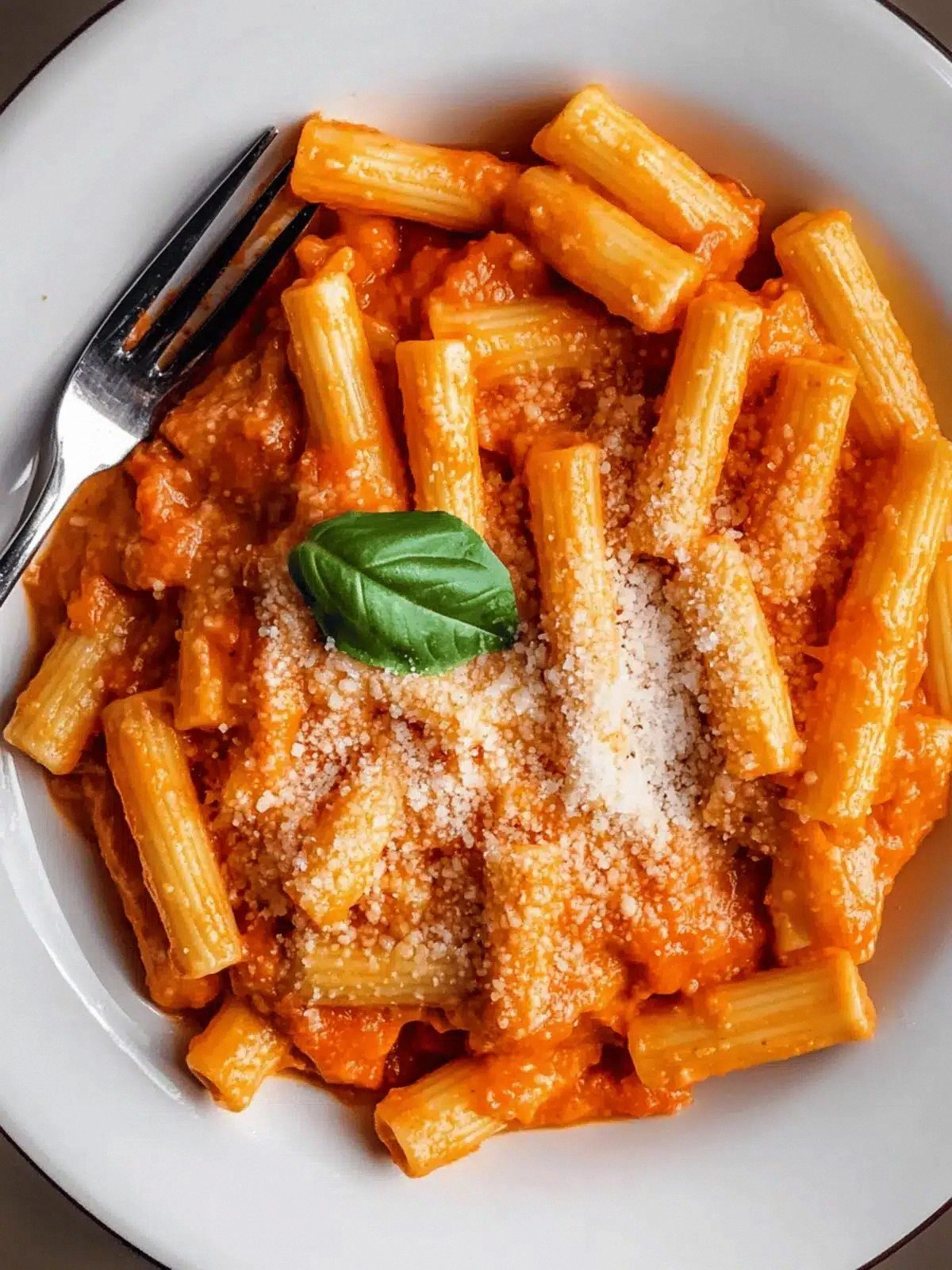
The first thing you’ll notice is the aroma: a comforting blend of sautéed garlic, butter, and tomato that makes the kitchen feel like a cozy Italian trattoria. The sound of the garlic sizzling is like a tiny drumbeat that sets the rhythm for the rest of the dish. The texture is a silky, smooth coating that clings to every noodle, creating a mouthfeel that feels like a hug from the inside out. The taste is a perfect harmony of sweet, acidic, and umami flavors, with a subtle pepper kick that keeps everything balanced. The finish is bright, thanks to the lemon, leaving a clean, refreshing aftertaste that invites another bite. That sizzle when it hits the pan? Absolute perfection.
Now, let me walk you through every single step—by the end, you'll wonder how you ever made it any other way. This isn’t just a recipe; it’s a culinary revelation that will become your go-to comfort food. From the first chop of onion to the final drizzle of lemon, each moment is crafted to elevate the humble tomato into a creamy masterpiece. So grab your skillet, set the stove to medium, and let’s get cooking.
What Makes This Version Stand Out
- Richness: The combination of olive oil and butter creates a luxurious base that enriches the tomato without overpowering it.
- Texture: The careful reduction of tomato paste into a silky sauce prevents graininess and gives a velvety mouthfeel.
- Balance: A splash of lemon juice cuts the sweetness, providing a bright counterpoint to the creamy elements.
- Time Efficiency: The entire dish comes together in under 45 minutes, making it ideal for weeknight dinners.
- Versatility: The sauce works with any pasta shape, from spaghetti to penne, and can be turned into a baked dish with a breadcrumb topping.
- Make‑ahead Potential: The sauce holds up well in the fridge and even tastes better the next day, thanks to the fats and acidity.
- Flavor Depth: The subtle pepper and Parmesan create layers that evolve as you eat.
Inside the Ingredient List
The Flavor Base
Olive oil and butter are the twin pillars of this sauce, each bringing a distinct character. Olive oil offers a fruity, peppery bite that complements the tomato’s acidity, while butter adds a creamy richness that rounds out the dish. Skipping either would leave the sauce feeling flat and less indulgent. If you’re watching calories, you can reduce the butter to one tablespoon, but the trade‑off is a slightly lighter mouthfeel.
The Texture Crew
Tomato paste is the secret to that silky texture. Unlike canned tomatoes, paste has no water content, so it thickens quickly and creates a smooth base. Cream, added in the final stages, coats the pasta and prevents the sauce from drying out. A pinch of black pepper balances the sweetness and adds a subtle heat. If you’re lactose intolerant, substitute the cream with coconut milk for a dairy‑free version that still feels lush.
The Unexpected Star
Lemon juice is the unsung hero that brightens the sauce. Its acidity cuts through the richness, preventing the dish from feeling heavy. A small amount—just a tablespoon—does wonders, but be careful not to overdo it or the sauce will turn tart. You can also add a dash of white wine vinegar if you prefer a sharper citrus note.
The Final Flourish
Parmesan cheese provides umami and a slight nutty flavor that lingers on the palate. Grating it finely ensures it melts smoothly into the sauce. The onions and garlic are the aromatic foundation; finely chopped onions release sweetness, while diced garlic offers a punch of flavor. Finally, salt is the flavor enhancer that brings everything together—adjust it to taste after the sauce has simmered.
Everything’s prepped? Good. Let’s get into the real action.
The Method — Step by Step
- Heat a large skillet over medium heat, then add the olive oil. Allow the oil to warm until it shimmers, but be careful not to let it smoke. Once hot, introduce the butter and let it melt completely, creating a golden, fragrant base. This is the moment of truth—if the butter foams, reduce the heat slightly. The aroma should be buttery and slightly nutty.
- Add the finely chopped onion to the pan, stirring constantly. Cook until the onion turns translucent and starts to caramelize, about 3–4 minutes. The onion’s natural sugars are unlocking, adding depth to the sauce. Watch the color shift from pale to golden; that’s the sweet spot. Keep the heat moderate to avoid burning.
- Stir in the diced garlic, letting it sauté for 30 seconds until fragrant. Be quick—garlic burns fast and turns bitter. The sizzling sound is a cue that the garlic is ready. If you hear a hissing pop, it means the garlic is cooking. This step releases essential oils that will carry throughout the sauce.
- Whisk in the tomato paste, coating the onion and garlic. Stir continuously for 2 minutes, letting the paste toast slightly. Toasting the paste brings out a deeper, almost caramelized flavor that elevates the sauce. You’ll notice a rich, savory aroma emerging. This step also helps reduce the raw tomato taste.
- Pour in the cream, stirring slowly to combine. The cream should swirl into the paste, forming a thick, glossy mixture. As it heats, the sauce will thicken; keep it at a gentle simmer. The cream adds body, turning the sauce into a velvety coating. Avoid a rolling boil to keep the texture silky.
- Add the grated Parmesan and stir until it melts into the sauce. The cheese should dissolve, creating a smooth, nutty layer. The Parmesan also adds a slight saltiness that balances the acidity. Keep the heat low to prevent the cheese from clumping. The sauce should look glossy and cohesive.
- Season with black pepper and a pinch of salt, then stir in the lemon juice. The lemon brightens the flavor profile and prevents the sauce from becoming too heavy. Taste and adjust seasoning—more salt if needed, or a touch more lemon for brightness. This final tweak is crucial for a well‑rounded dish.
- Meanwhile, bring a large pot of salted water to a rolling boil. Add the pasta and cook until al dente, usually 9–11 minutes depending on the brand. Reserve a cup of pasta water before draining. The starchy water will help bind the sauce to the pasta. Drain the pasta, then immediately toss it into the sauce.
- If the sauce is too thick, add a splash of the reserved pasta water to loosen it. The water’s starch will help the sauce cling to the noodles. Toss until every strand is coated in silky sauce. Serve immediately, garnished with extra Parmesan and a drizzle of olive oil if desired. Enjoy the creamy, tomato‑rich bliss.
That’s it—you did it. But hold on, I’ve got a few more tricks that will take this to another level.
Insider Tricks for Flawless Results
The Temperature Rule Nobody Follows
Maintaining a low, steady simmer is the secret to preventing the sauce from separating. High heat can cause the cream to curdle and the tomato paste to scorch. Keep the flame at medium‑low and stir frequently. A gentle simmer also allows the flavors to meld beautifully. If you notice bubbles forming, reduce the heat slightly.
Why Your Nose Knows Best
Smell the sauce at every stage. If it smells like burnt onions, it’s overcooked. A bright, fresh scent signals the tomatoes are still vibrant. Your nose is the quickest way to gauge the sauce’s readiness. Trust it, and you’ll avoid common pitfalls.
The 5‑Minute Rest That Changes Everything
After tossing the pasta with the sauce, let the dish rest on the stove for five minutes with the heat off. This resting period allows the pasta to absorb the sauce fully, creating a cohesive flavor. It also gives the sauce time to thicken slightly, improving texture. The result is a dish that feels more integrated.
The Quick Cream Swap
If you’re short on time, use a half‑and‑half instead of cream. It still provides a creamy base but cooks faster. Just reduce the amount by about a quarter cup to keep the sauce from becoming too thin. The flavor will be slightly lighter, but the overall experience remains delicious.
The Final Touch of Freshness
Right before serving, squeeze a fresh lemon wedge over the dish. The citrus burst adds a lively brightness that lifts the richness. It also helps balance the saltiness of the Parmesan. This simple step turns a great dish into an unforgettable one.
Creative Twists and Variations
This recipe is a playground. Here are some of my favorite ways to switch things up:
Spicy Peppercorn Twist
Add a pinch of crushed red pepper flakes and a dash of freshly ground peppercorns for a subtle heat that contrasts the cream. The peppercorns release a nutty aroma, while the flakes give a gentle bite. This variation is perfect for guests who love a little kick.
Mushroom Medley
Sauté sliced mushrooms with the onions for an earthy undertone. The mushrooms absorb the tomato and cream, creating a richer sauce. This version works beautifully with fettuccine or rigatoni, giving the dish a hearty feel.
Herb‑Infused Delight
Stir in fresh basil or oregano during the final simmer. The herbs add a fragrant, green note that brightens the sauce. This is a great way to bring a fresh, summery feel to the dish.
Seafood Sensation
Incorporate shrimp or scallops during the last 3 minutes of cooking. The seafood’s delicate flavor pairs wonderfully with the creamy tomato base. Serve over linguine for a luxurious touch.
Vegan Velvet
Replace the butter and cream with olive oil and coconut milk, and use nutritional yeast instead of Parmesan. This vegan version maintains the creamy texture while offering a plant‑based alternative. It’s still rich and indulgent, just without the dairy.
Storing and Bringing It Back to Life
Fridge Storage
Cool the sauce to room temperature before placing it in an airtight container. Store in the refrigerator for up to three days. The fats in the sauce help preserve it, but be sure to stir before reheating. The sauce may thicken slightly; a splash of milk or cream will restore its original consistency.
Freezer Friendly
Divide the sauce into portion‑size containers and freeze for up to two months. When ready to use, thaw overnight in the fridge and reheat gently on low heat, adding a splash of water or milk to loosen it. The flavor remains intact, and the texture stays silky.
Best Reheating Method
Reheat the sauce in a saucepan over low heat, stirring frequently. Add a tiny splash of water or milk before heating to prevent thickening. Once hot, toss with freshly cooked pasta for a fresh, comforting meal. The sauce will regain its velvety texture, just as it did the first time.