Love this? Pin it for later! 📌
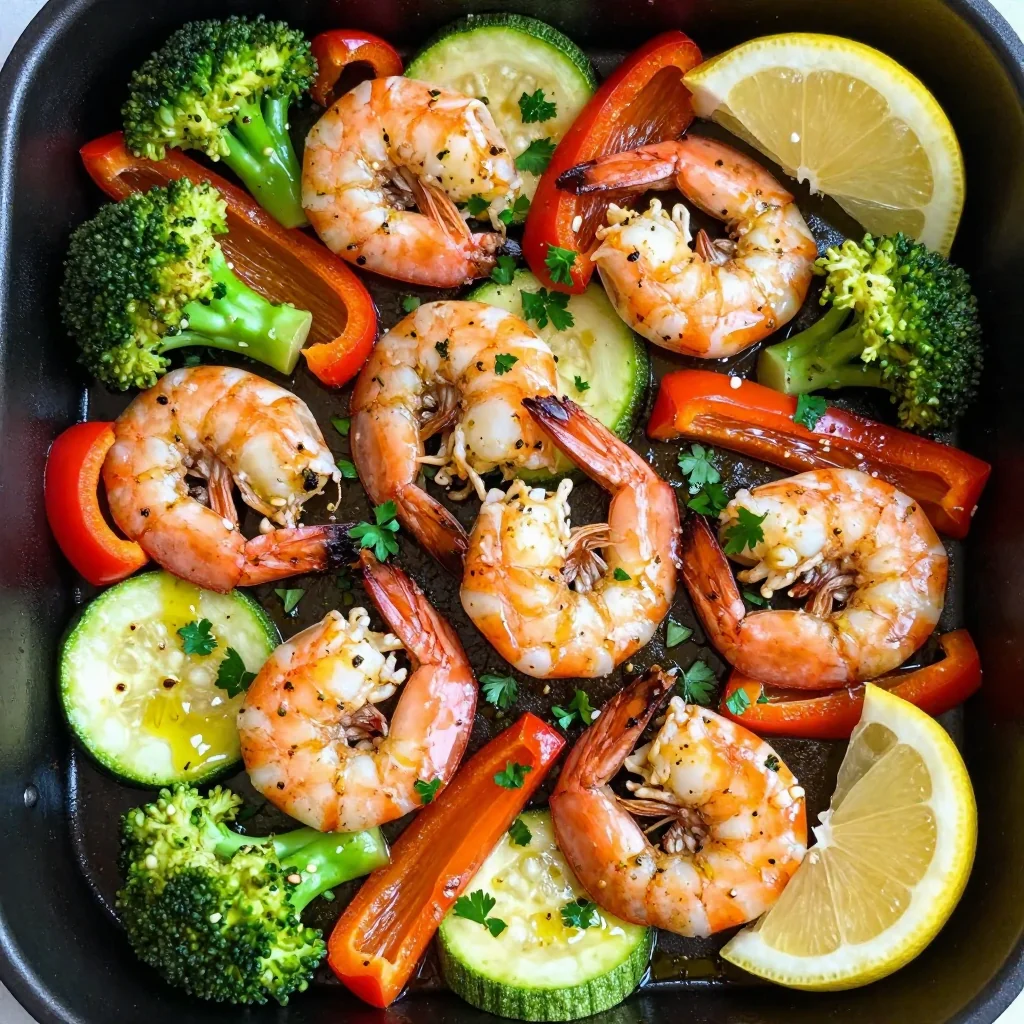
There’s a certain magic that happens when a single sheet pan emerges from the oven, hissing with perfectly seasoned shrimp and a rainbow of tender-crisp vegetables. The aroma—garlicky, citrusy, and just a little smoky—wraps around you like a cozy blanket, promising that dinner will be ready in minutes, not hours. I discovered this clean-eating sheet-pan shrimp on a Tuesday that felt like a Monday: meetings had run late, my toddler was staging a bedtime coup, and the siren song of expensive take-out was blaring. I needed something that felt like a treat but still honored my “mostly whole foods” pledge. Ten minutes of slicing, a quick toss in my favorite citrus-garlic marinade, and fifteen minutes of oven time later, we were sitting down to restaurant-quality plates piled high with emerald zucchini coins, sunset-orange bell pepper, and shrimp so plump they curled into perfect C’s. My husband looked up mid-bite and said, “This is definitely going on repeat.” That was three years ago; we’ve served it to company, packed it into lunchboxes, and even grilled the skewered version at beach cookouts. If you’re hunting for a weeknight hero that’s gluten-free, dairy-free, low-carb, and 100 % satisfying, pull up a chair. Dinner is about to get a whole lot easier—and brighter.
Why This Recipe Works
- One-pan wonder: Shrimp and vegetables roast together, saving dishes and time.
- 15-minute cook time: From fridge to table in under 30 minutes.
- Meal-prep star: Make the marinade, chop veggies, and store up to 3 days ahead.
- Customizable heat: Add chili flakes for kick or keep it mild for kids.
- Clean ingredients: No refined sugar, no seed oils—just olive oil, citrus, and herbs.
- Freezer-friendly: Raw shrimp can be marinated and frozen flat; thaw overnight and proceed.
Ingredients You'll Need
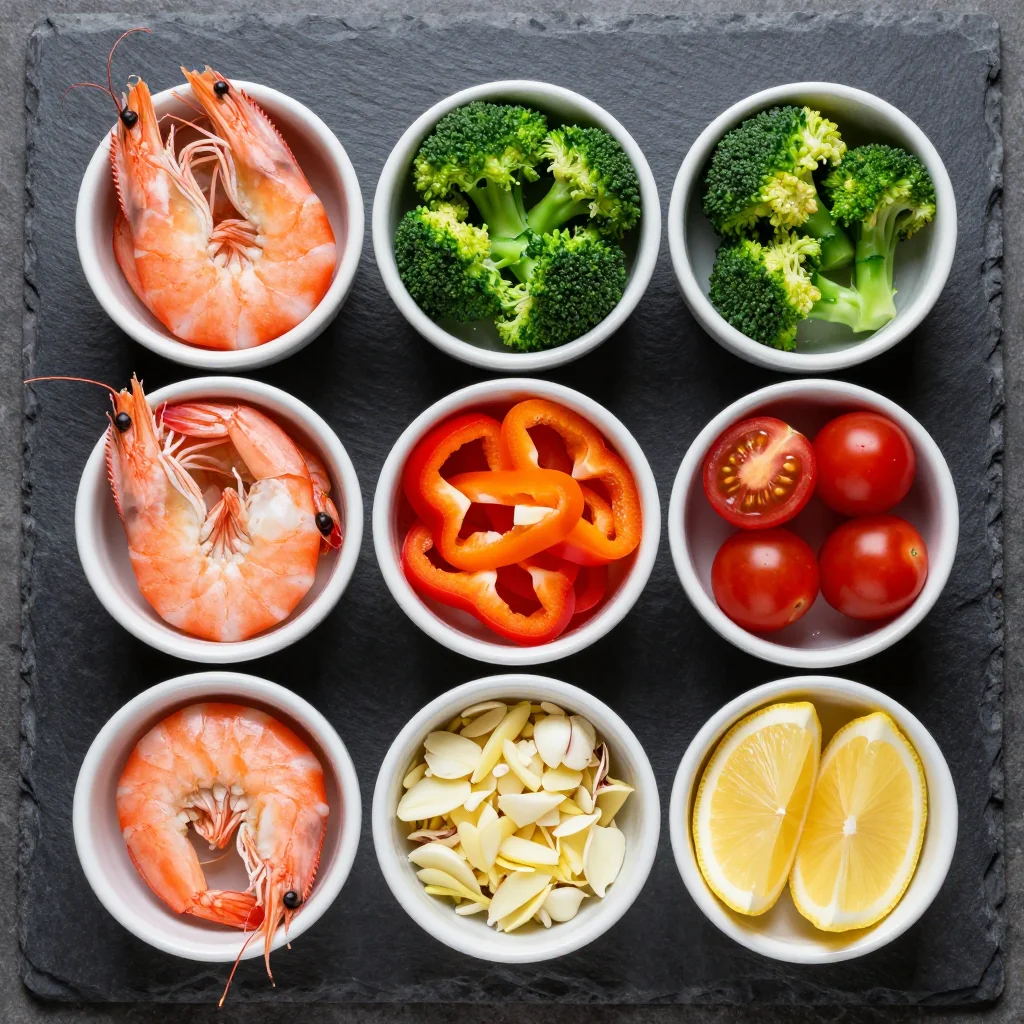
Great sheet-pan dinners start with ingredients that roast in the same amount of time. Shrimp cooks quickly, so we pair it with thin-sliced vegetables that turn tender right as the shrimp hit that sweet spot of opaque and juicy. Below is my go-to lineup, plus smart swaps to keep things flexible.
Wild-caught shrimp (1 lb, 26/30 count): I prefer peeled, deveined tail-on for presentation. If all you have is frozen, thaw under cool water for 5 minutes and pat very dry; excess water will steam instead of roast. Wild shrimp tastes cleaner and sweeter than farmed, and because it’s harvested sustainably, the ocean (and your conscience) stays happy. No shrimp? Scallops or cubes of firm halibut work here, too—just add 3 extra minutes to the cook time.
Zucchini (2 medium): Look for glossy skins and firm ends. I slice them into ¼-inch half-moons so they roast quickly without going mushy. Yellow summer squash is an identical swap.
Red & yellow bell peppers (1 each): Their natural sugars caramelize at 425 °F, giving you those crave-able charred edges. Green peppers are less sweet and can turn bitter—stick with the bright ones for best flavor.
Red onion (½ large): Cut into petals so the layers separate and crisp. Shallots are a sweeter alternative if you have them lingering in the pantry.
Cherry tomatoes (1 cup): They burst into saucy pockets that dress the veggies. In winter, substitute 1 cup diced Roma tomatoes; add them halfway through roasting so they don’t shrivel to nothing.
Extra-virgin olive oil (3 Tbsp): A clean, heart-healthy fat that handles high heat. Avocado oil is a neutral-tasting substitute if you prefer.
Garlic (4 cloves, minced): Fresh garlic mellows and sweetens as it roasts. In a pinch, 1 tsp garlic powder does the job, but fresh is worth the 30-second effort.
Lemon zest & juice (1 large lemon): Zest delivers bright oils; juice balances the natural sweetness of shrimp and veg. Lime works for a tropical twist.
Smoked paprika (1 tsp): Adds subtle campfire depth without liquid smoke. Regular paprika is fine, but smoked is my weeknight flavor hack.
Cumin (½ tsp): Earthy warmth that makes the dish taste mysteriously complex. Coriander is a bright alternative if cumin isn’t your thing.
Sea salt & freshly ground pepper: Salt draws moisture out of vegetables so they brown instead of steam. I use ¾ tsp fine sea salt for this volume of ingredients.
Fresh parsley or cilantro (2 Tbsp, chopped): A shower of green right before serving wakes everything up. Basil or dill are fun directional changes.
How to Make Clean Eating Sheet Pan Shrimp for Quick Dinners
Preheat & prep the sheet pan
Position a rack in the center of the oven and preheat to 425 °F (220 °C). Line a half-sheet pan (13 × 18-inch) with unbleached parchment paper or a reusable silicone mat. The lining keeps sweet vegetable sugars from welding to the metal and makes cleanup a five-second crumple-and-toss affair.
Whisk the quick marinade
In a small bowl, combine olive oil, lemon zest, lemon juice, minced garlic, smoked paprika, cumin, salt, and pepper. Whisk until emulsified. The acid begins to tenderize the shrimp while the oil carries fat-soluble flavors into every crevice.
Toss vegetables first
Place zucchini, bell peppers, onion, and tomatoes in a large mixing bowl. Pour two-thirds of the marinade over the vegetables and toss with your hands (wear food-safe gloves if you hate onion under your nails). You want every surface glossy; under-seasoned veg equals bland dinner. Spread them in a single layer on the prepared sheet pan, giving the tomatoes a little nest so their juices stay put.
Add shrimp to the same bowl
Add shrimp to the remaining marinade and stir to coat. Let them sit while the vegetables roast for 10 minutes. This brief rest brings the shrimp up toward room temperature so they cook evenly and absorb flavor.
Roast vegetables alone first
Slide the pan into the oven and roast for 10 minutes. This head start allows the hardy vegetables to soften and begin caramelizing before the quick-cooking shrimp join the party.
Nestle shrimp among vegetables
Remove the hot pan, scatter shrimp in a single layer, and quickly flip each piece so the glossy side faces up. Return to the oven for 5–7 minutes more, until shrimp are pink and just firm. Overcooked shrimp curl tightly and taste rubbery; aim for a gentle C shape, not an O.
Broil for color
Switch the oven to broil on high for 1–2 minutes to char the edges of peppers and concentrate tomato juices. Watch like a hawk; sheet pans can go from gorgeous to acrid in 30 seconds.
Finish & serve
Sprinkle fresh parsley or cilantro over the sizzling pan. Serve straight from the sheet pan for rustic charm, or transfer to a warm platter with lemon wedges and cooked quinoa, cauliflower rice, or crusty whole-grain bread to mop up juices.
Expert Tips
Pat shrimp very dry
Moisture is the enemy of browning. A quick press between paper towels removes surface water so spices adhere and edges caramelize.
Use pre-cut parchment
Buy pre-cut sheets that fit your pan exactly. You’ll save 30 seconds every time, which adds up to hours over a year of sheet-pan dinners.
Hot oven, cold shrimp
Starting shrimp cold from the marinade keeps them from overcooking while vegetables finish. Room-temperature shrimp can turn rubbery on a hot pan.
Don’t skip the broil
That final blast under the broiler concentrates flavors and gives you photogenic char. If your broiler runs hot, keep the door ajar and peek every 15 seconds.
Color = flavor
Aim for a rainbow on the pan. Different pigments mean different antioxidants, and the variety of textures keeps every bite interesting.
Make it a double
Roast two pans at once; leftovers reheat beautifully in a skillet with a splash of broth for lunch tomorrow.
Variations to Try
-
Mediterranean twist
Swap lemon for lime, add ½ tsp dried oregano and a handful of kalamata olives. Finish with crumbled feta if you do dairy.
-
Cajun kick
Replace smoked paprika with 1 tsp Cajun seasoning and ¼ tsp cayenne. Toss in andouille sausage slices for extra protein.
-
Asian-inspired
Use avocado oil, grate 1 Tbsp fresh ginger into the marinade, and finish with sesame seeds and scallions. Serve over cauliflower rice.
-
Low-FODMAP
Omit garlic and onion; substitute garlic-infused oil and green tops of scallions. Swap tomatoes for diced red bell pepper.
-
Surf & turf
Add 8 oz thin-sliced chicken breast; nestle it among vegetables for the first 10 minutes, then add shrimp as directed.
Storage Tips
Refrigerate: Cool leftovers completely, transfer to an airtight container, and refrigerate up to 3 days. Reheat gently in a covered skillet with a splash of water or broth at 300 °F for 5 minutes; microwaving can toughen shrimp.
Freeze: Freeze cooked shrimp and vegetables in a single layer on a parchment-lined tray until solid, then transfer to a freezer bag for up to 2 months. Thaw overnight in the fridge and reheat as above. Texture will be slightly softer but flavor remains excellent.
Make-ahead components: Whisk the marinade and store 5 days ahead. Chop vegetables and keep in a zip-top bag with a paper towel to absorb moisture—also 3 days ahead. Marinate shrimp up to 24 hours; any longer and the acid will start to cure them.
Frequently Asked Questions
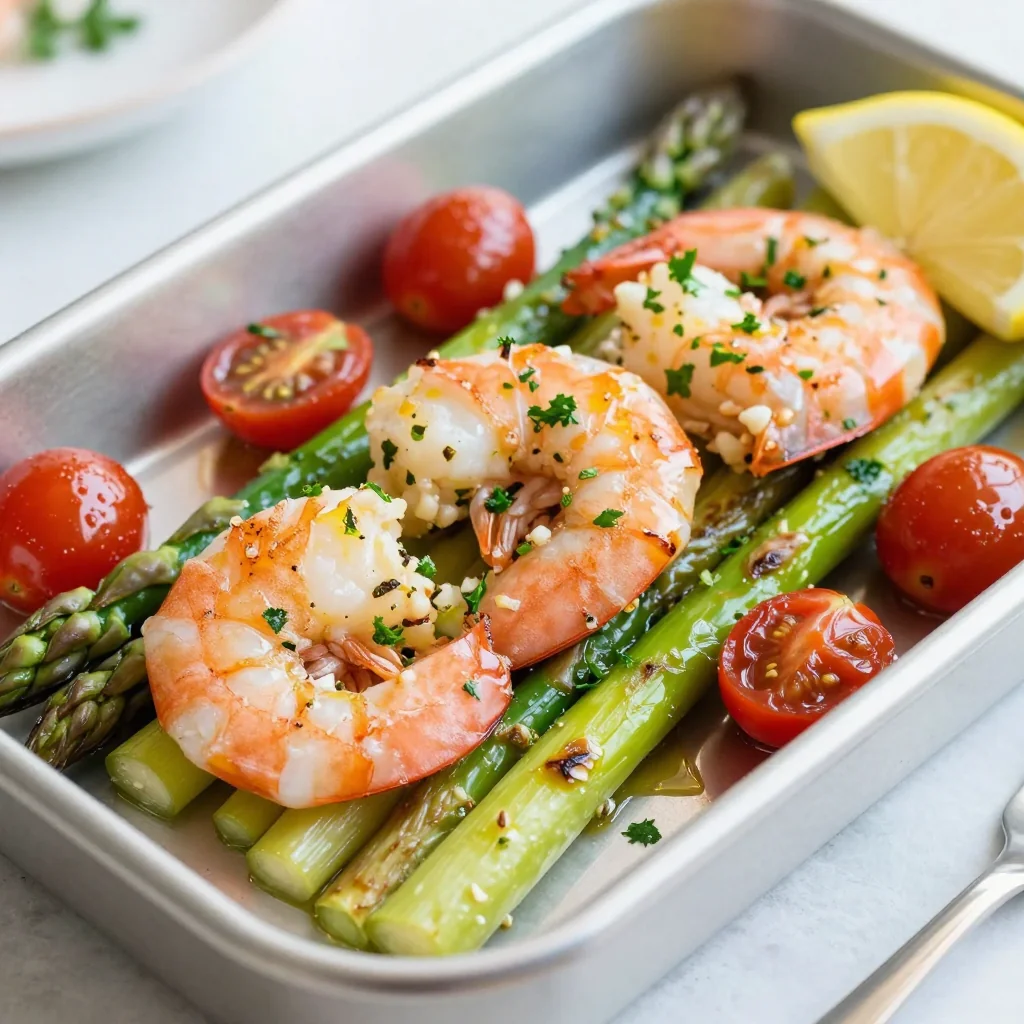
Clean Eating Sheet Pan Shrimp for Quick Dinners
Ingredients
Instructions
- Preheat oven: Preheat to 425 °F. Line a sheet pan with parchment.
- Make marinade: Whisk oil, lemon zest & juice, garlic, paprika, cumin, salt, and pepper.
- Toss vegetables: Combine zucchini, peppers, onion, and tomatoes with ⅔ of the marinade; spread on pan.
- Roast vegetables: Roast 10 minutes.
- Add shrimp: Toss shrimp in remaining marinade; add to pan. Roast 5–7 minutes more until shrimp are opaque.
- Broil & serve: Broil 1–2 minutes for char. Sprinkle herbs and serve hot.
Recipe Notes
For meal prep, roast vegetables ahead and store separately; add freshly cooked shrimp when reheating to keep them plump.