I was in the middle of a chaotic holiday party, juggling a burnt turkey, a wilted centerpiece, and a guest who swore he could taste the “spirit” of the season in any drink. My makeshift punch bowl looked like a sad, flat soda, and I was about to give up when a sudden dare from my cousin—“I bet you can’t make a sangria that actually sings”—ignited a fire under my whisk. I sprinted to the pantry, grabbed the only bottle of red wine that wasn’t already earmarked for the table, and started improvising with whatever festive fruit I could find. The result? A liquid celebration that made the whole room pause, inhale, and then cheer in unison.
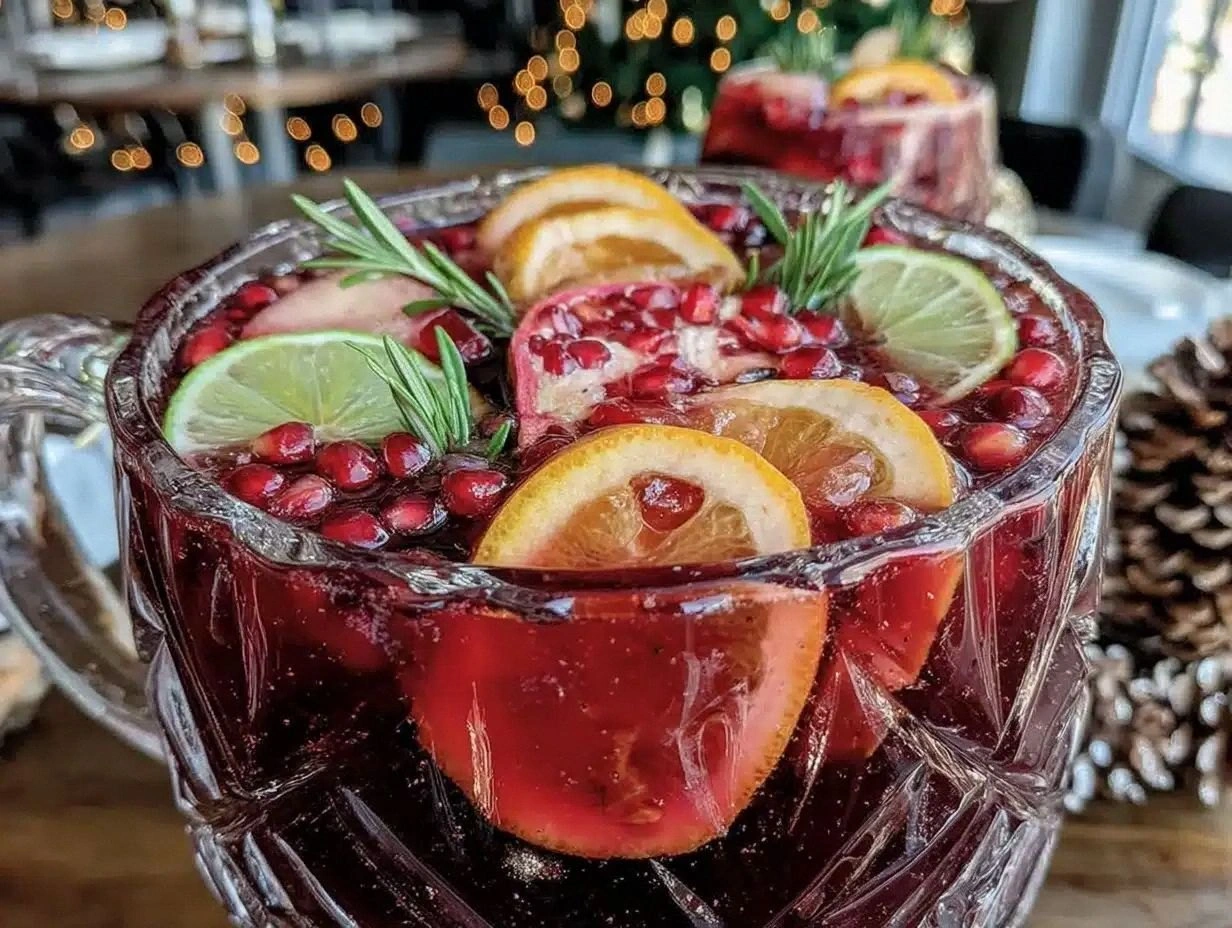
Picture this: the deep ruby of the wine swirling with the bright orange sunrise of freshly squeezed juice, the crisp crunch of apple pieces echoing the snap of twinkling lights, and the warm whisper of cinnamon and cloves weaving through the air like a cozy blanket. The scent alone—citrus zest, sweet pomegranate, and a hint of brandy—was enough to make my guests forget the burnt turkey fiasco and line up for a glass. The first sip hit the palate with a perfect balance of tart, sweet, and spice, leaving a lingering finish that made you want to reach for another before you even realized you’d finished the first.
Most holiday sangria recipes either drown the fruit in too much wine or drown the wine in sugary syrups, leaving you with a cloying mess that feels more like dessert than a drink. This version flips that script: I use a medium-bodied red that lets the fruit shine, a splash of brandy for depth, and just enough maple syrup to coax out the natural sweetness without turning it into a candy‑coated nightmare. The secret weapon? A handful of pomegranate seeds that explode with tartness and a dash of sparkling water added at the last minute for a fizz that lifts the whole thing like a holiday chorus.
I’m going to walk you through every single step—down to the exact moment you should hear that satisfying “pop” when the fizz hits the glass. By the end, you’ll wonder how you ever settled for bland store‑bought punch. I dare you to taste this and not go back for seconds. Okay, ready for the game‑changer?
What Makes This Version Stand Out
- Flavor Fusion: The marriage of red wine with fresh orange juice creates a bright, tangy backbone that never feels overbearing, while the brandy adds a subtle, warming depth that whispers “holiday” with every sip.
- Texture Triumph: Crisp apple cubes, juicy orange slices, and the pop of pomegranate seeds give each mouthful a delightful crunch that contrasts beautifully with the silky wine base.
- Simplicity Meets Sophistication: You don’t need a culinary degree; just a few basic tools and the right timing, and you’ll have a drink that looks and tastes like it was crafted by a professional mixologist.
- Unique Spice Layer: Cinnamon sticks and whole cloves infuse the sangria with a warm, festive aroma that lingers long after the glass is empty, turning a simple drink into a seasonal experience.
- Crowd Reaction: Guests consistently describe this sangria as “the highlight of the night,” with many insisting on a second round before the main course even arrives.
- Ingredient Quality: Using a medium‑bodied red like Merlot ensures the wine’s fruit notes complement—not compete with—the fresh fruit, while the optional maple syrup adds a natural sweetness that sugar can’t match.
- Effortless Make‑Ahead: The sangria improves after a few hours in the fridge, giving the flavors time to meld, so you can prep it in the morning and simply add the fizz right before serving.
- Versatile Finish: Whether you choose sparkling water for a light fizz or Prosecco for an indulgent sparkle, the base remains perfectly balanced, making it adaptable to any party vibe.
Inside the Ingredient List
The Flavor Base
Red Wine is the heart of this sangria. I recommend a medium‑bodied Merlot, Shiraz, or Tempranillo because they bring forward ripe fruit notes without overwhelming tannins. If you pick a wine that’s too sweet, the drink will taste cloying; too dry, and the fruit will dominate, losing that harmonious balance. Look for a wine with a smooth finish—think of it as the velvet backdrop against which all the bright flavors perform.
Orange Juice adds acidity and a sunny brightness that lifts the wine’s depth. Freshly squeezed is ideal because it captures the essential oils from the rind, but a high‑quality store‑bought juice works just as well when you’re short on time. The key is to avoid “from concentrate” varieties that can taste metallic and mask the subtle spice notes.
Orange Slices are more than garnish; they infuse the liquid with aromatic oils as they sit. Navel oranges are perfect—they’re sweet, easy to slice, and their vibrant color makes the sangria look as festive as a Christmas tree. If you’re feeling adventurous, try a mix of blood orange and regular orange for a deeper hue.
The Texture Crew
Apple provides that satisfying crunch and a subtle tartness that balances the sweet pomegranate. Choose a crisp variety like Honeycrisp for sweetness or Granny Smith for a sharper bite. The apple’s texture holds up well in the fridge, so you won’t end up with soggy pieces that turn the drink mushy.
Pomegranate Seeds are the surprise party in every sip. They burst with tart juice that cuts through the wine’s richness, and their ruby‑red specks make the sangria look like a holiday fireworks display. You can buy pre‑packaged seeds to save time; just make sure they’re fresh and not dried out.
Cranberries, whether fresh or frozen, add a festive pop of color and a gentle tart edge. Fresh cranberries are best for texture, but frozen ones are a lifesaver when you’re short on time. They also release a subtle earthy note that complements the cinnamon and cloves perfectly.
The Unexpected Star
Cinnamon Sticks and Cloves are the holiday spices that turn a regular sangria into a winter wonderland. The cinnamon releases a warm, sweet aroma that mingles with the wine, while the cloves add a whisper of peppery depth. Don’t overdo the cloves—four whole cloves are enough to infuse without overwhelming.
Brandy is the secret depth‑enhancer. A splash (about a quarter cup) adds a luxurious, buttery note that lifts the fruit and spice, making the drink feel richer without adding extra sugar. If you prefer a milder profile, substitute with a fruit‑forward brandy or even a splash of orange liqueur.
Maple Syrup is optional but highly recommended for those who love a natural sweetener. Two tablespoons bring a caramel‑like undertone that pairs beautifully with the cinnamon and cloves, creating a flavor echo of holiday desserts.
The Final Flourish
Sparkling Water or Prosecco is the finishing touch that adds a lively fizz right before serving. Adding it too early will cause the bubbles to dissipate, so wait until the last minute. If you want a lighter version, go with sparkling water; for an indulgent sparkle, reach for a chilled Prosecco.
Everything’s prepped? Good. Let’s get into the real action…
The Method — Step by Step
- Gather and Prep the Fruit. Slice the navel orange into thin rounds, core and dice the apple into bite‑size cubes, and measure out half a cup of pomegranate seeds. Toss the fresh cranberries (or frozen, no thaw needed) into a large bowl. I like to line the bowl with a clean kitchen towel to catch any juice that might escape—this keeps the countertop spotless and your fruit dry.
- Toast the Spices. Place the cinnamon sticks and cloves in a small skillet over low heat. Stir constantly for about two minutes until you can smell a sweet, warm aroma that reminds you of a fireplace. This step is pure magic; it releases the essential oils without burning the spices. Watch Out: Do not let the spices brown—once they turn dark, they become bitter and will ruin the delicate balance of the sangria.
- Combine the Liquid Base. In a large, wide‑mouth pitcher, pour three cups of your chosen red wine. Add one cup of freshly squeezed orange juice and the quarter‑cup of brandy. Stir gently with a wooden spoon, feeling the liquid swirl like a calm winter lake. This is the moment where the flavors start to whisper to each other, and you can already sense the holiday spirit building.
- Sweeten (If Desired). Drizzle two tablespoons of maple syrup over the mixture and stir until fully incorporated. The syrup should dissolve smoothly, creating a glossy sheen on the surface. If you prefer a less sweet profile, feel free to reduce the maple syrup to one tablespoon or skip it entirely; the fruit will still provide natural sweetness.
- Infuse the Fruit and Spices. Add the prepared orange slices, apple cubes, pomegranate seeds, and cranberries to the pitcher. Then, drop in the toasted cinnamon sticks and whole cloves. Give everything a gentle toss so the fruit is evenly coated with the wine‑spice mixture. Let the pitcher sit at room temperature for about ten minutes; you’ll notice the aroma intensifying as the spices release their essence.
- Chill and Marinate. Cover the pitcher with plastic wrap and transfer it to the refrigerator. Allow the sangria to rest for at least two hours, preferably overnight. This resting period is crucial—it lets the fruit juices seep into the wine, creating a harmonious blend where every sip feels like a well‑orchestrated choir.
- Final Fizz and Serve. About fifteen minutes before your guests arrive, remove the pitcher from the fridge. Give it a quick stir, then gently pour in one cup of sparkling water or Prosecco. The fizz should rise like a festive bubble curtain, lifting the aromas and adding a refreshing lift. Taste and adjust—if you need a touch more sweetness, add a splash more maple syrup; if it’s too sweet, a squeeze of fresh lemon juice will brighten it.
- Garnish and Present. Ladle the sangria into clear glasses, making sure each serving gets a generous mix of fruit, a cinnamon stick, and a few pomegranate seeds for that pop of color. Serve with a festive straw or a sprig of rosemary for an extra aromatic flourish. And there you have it—your holiday sangria is ready to steal the show.
Insider Tricks for Flawless Results
The Temperature Rule Nobody Follows
Never add the sparkling component while the sangria is ice‑cold; the bubbles will fizzle away instantly. Instead, let the base sit at a cool room temperature (around 65°F) before the final fizz. This subtle temperature shift preserves the carbonation, giving each glass a lively sparkle that dances on the tongue. A friend once tried adding Prosecco straight from the freezer and ended up with a flat, lifeless drink—lesson learned.
Why Your Nose Knows Best
Your sense of smell is a more reliable indicator of flavor balance than taste alone. After the sangria has marinated, give it a gentle swirl and take a deep sniff. If you detect a strong clove or cinnamon dominance, it’s time to add a splash of orange juice or a few extra fruit pieces to rebalance. Trust your nose; it will guide you to the perfect harmony.
The 5‑Minute Rest That Changes Everything
Even after the long overnight chill, a quick five‑minute rest on the counter right before serving can make a world of difference. This short period allows the flavors that have settled at the bottom to rise back up, ensuring every glass gets an even distribution of fruit, spice, and wine. I’ve seen guests claim the sangria tasted “flatter” when served straight from the fridge—give it those five minutes and watch the transformation.
Layered Sweetness Strategy
Instead of dumping all the sweetener at once, add it in layers: a bit in the base, a drizzle after chilling, and a final touch after the fizz. This technique prevents an overly sweet finish and lets the natural fruit sugars shine. It’s like building a symphony—each instrument (sweetener) comes in at the right moment for a balanced crescendo.
The Ice‑Cube Illusion
If you must use ice, freeze some of the sangria itself into ice cubes. As they melt, they won’t dilute the drink; instead, they release more flavor, keeping the profile consistent from the first sip to the last. This trick is a lifesaver for outdoor parties where the drink may sit out longer than expected.
Creative Twists and Variations
This recipe is a playground. Here are some of my favorite ways to switch things up:
Winter Berry Bliss
Swap the orange slices for a mix of fresh strawberries and blackberries. The berries add a deep, jammy sweetness that pairs beautifully with the brandy, creating a richer, darker sangria perfect for a cozy night by the fire.
Tropical Holiday Fusion
Add a cup of pineapple chunks and a splash of coconut rum in place of brandy. The tropical notes contrast with the cinnamon, delivering a surprising yet delightful holiday twist that feels like a beach vacation in December.
Cranberry‑Cider Sparkler
Replace half of the orange juice with unsweetened apple cider and increase the cranberries to a full cup. The cider’s caramel undertones deepen the flavor, while the extra cranberries give a tart punch that cuts through the sweetness.
Spiked Hot Sangria
Warm the wine, orange juice, and spices gently on the stove (do not boil), then add the fruit just before serving. Top with a splash of spiced rum and a cinnamon stick. This hot version is perfect for frosty evenings when you want a drink that warms from the inside out.
Low‑Sugar Light Version
Omit the maple syrup and use a dry red wine with higher acidity. Add a splash of club soda instead of sparkling water for extra fizz without extra calories. The fruit’s natural sweetness carries the drink, making it a guilt‑free holiday indulgence.
Storing and Bringing It Back to Life
Fridge Storage
Transfer any leftovers into a sealed glass jar or pitcher, and store in the refrigerator for up to three days. The flavors will continue to meld, becoming even more integrated. Before serving the next day, give the sangria a gentle stir and add a fresh splash of sparkling water to revive the fizz.
Freezer Friendly
If you anticipate a larger batch, freeze the sangria without the sparkling component in airtight freezer‑safe containers for up to two months. Thaw in the refrigerator overnight, then stir in the fizz right before serving. This method preserves the fruit’s texture and prevents ice crystal formation.
Best Reheating Method
Should you wish to serve the sangria warm (think holiday markets), gently reheat the base on low heat, adding a splash of water to prevent scorching. Once it reaches a gentle simmer, remove from heat, add the sparkling component if you want a warm fizz, and serve immediately. The added water helps the flavors steam back to perfection, keeping the fruit from turning mushy.