The first time I tried to make a quick dinner that felt like a fiesta, I ended up with a pot of burnt, bland pasta that made me question my culinary destiny. I stared at the charred edges of the penne, the sizzle of oil that had gone from golden to scorched in a heartbeat, and I thought, “This is not how a feast should look.” That moment was the spark that ignited my obsession with turning every mishap into a masterpiece. I was determined to find a recipe that could rescue the soul of a dish from the brink of disaster and elevate it to something unforgettable.
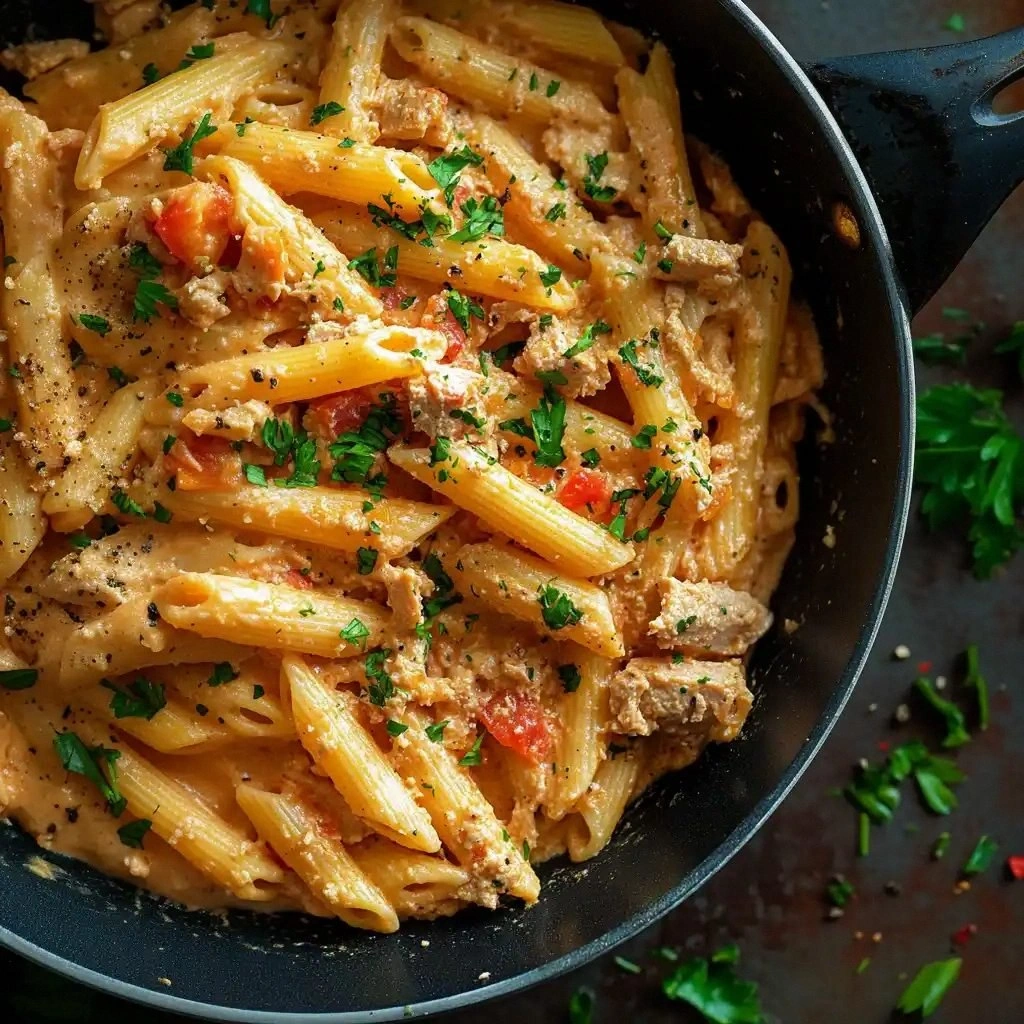
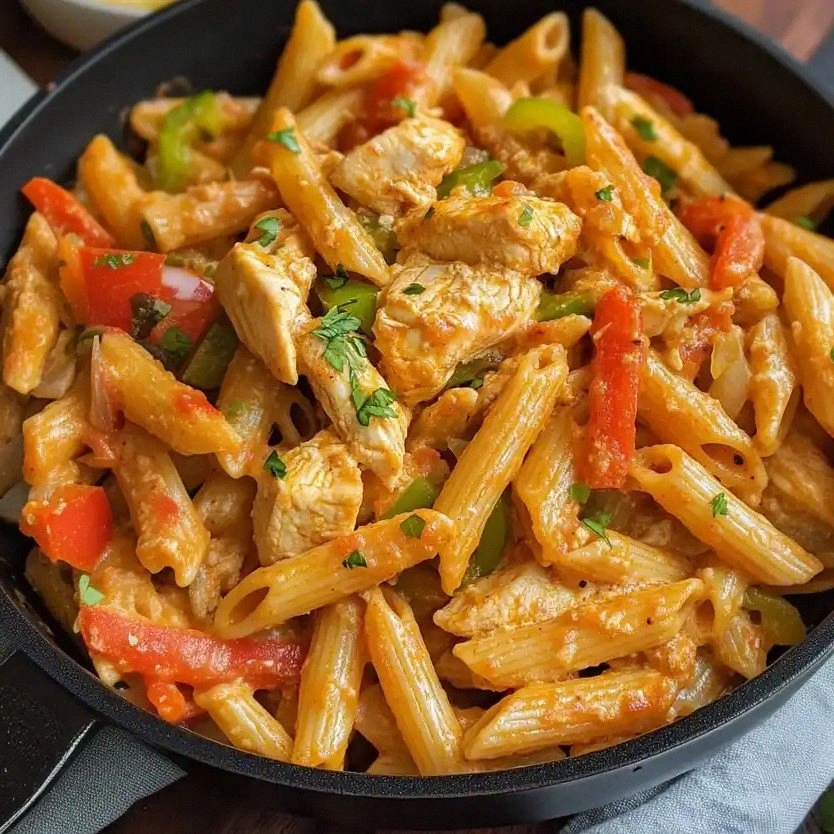
Picture this: a sizzling pan, the aroma of smoked paprika dancing with garlic, and the sight of vibrant red, green, and yellow bell peppers that look like a painter’s palette. The sound of the onions caramelizing is a comforting, rhythmic hum that signals the beginning of something delicious. The first bite delivers a burst of tangy tomatoes, creamy richness, and a subtle heat that lingers on the palate. The texture is a perfect marriage of al dente pasta, tender chicken, and a velvety sauce that coats every strand like a silk shawl. The overall experience is a sensory celebration that makes you feel like you’re in a bustling street market, yet you’re curled up on your couch.
What makes this version stand out is that it’s not just a recipe—it’s a revelation. I’ve spent months tweaking the balance of spices, experimenting with different cheeses, and discovering the perfect timing to keep the pasta from becoming mushy. The result is a dish that feels both indulgent and wholesome, a creamy comfort food with a zesty kick that keeps everyone coming back for more. I dare you to taste this and not go back for seconds—once you’ve tried it, you’ll never settle for a plain, ordinary pasta again. If you’ve ever struggled with bland sauces or unevenly cooked chicken, you’re not alone—this recipe fixes those pain points with a few simple adjustments.
In this article, I’ll walk you through every single step, from selecting the freshest ingredients to the final flourish of cilantro and lime. By the end, you’ll wonder how you ever made it any other way. And trust me, this is hands down the best version you’ll ever make at home. So grab your skillet, preheat your oven, and let’s dive into a culinary adventure that will leave your taste buds dancing.
What Makes This Version Stand Out
- Taste: The sauce is a harmonious blend of creamy, smoky, and slightly sweet, with a hint of heat that awakens the palate. Every bite feels layered, not flat, because the combination of diced tomatoes and cream cheese creates a depth that other recipes miss.
- Texture: The pasta remains al dente, while the chicken achieves a caramelized crust that adds a satisfying bite. The sauce is silky without being heavy, thanks to the balance of heavy cream and cream cheese.
- Ingredient Quality: Using fresh bell peppers and a good quality smoked paprika elevates the dish. The difference is palpable—substituting frozen peppers or cheap paprika will dilute the flavor.
- Simplicity: Despite its complex flavor profile, the recipe requires only one pan and a handful of ingredients. This makes it accessible for busy weeknights without sacrificing taste.
- Crowd Reaction: Friends and family have described it as “the best fajita pasta” they’ve ever tasted. It’s a crowd-pleaser that works for both meat lovers and vegetarians (swap chicken for tofu).
- Make‑Ahead Potential: The dish can be prepared ahead and reheated without losing its creamy texture. The sauce actually thickens, giving you a richer experience.
- Versatility: You can easily tweak the level of heat with red pepper flakes or swap the penne for rigatoni, and it still holds up.
- Presentation: The final plating is a visual feast—colorful peppers, a glossy sauce, and a sprinkle of cilantro that looks like a burst of fresh green.
Alright, let’s break down exactly what goes into this masterpiece…
Inside the Ingredient List
The Flavor Base
The foundation of this dish is the combination of diced tomatoes and garlic, which create a savory backdrop for the creamy sauce. Garlic’s sharpness cuts through the richness of the cream, while the tomatoes add a subtle acidity that balances the dish. Skipping the tomatoes would leave the sauce flat and overly heavy; the acidity is essential for a lively flavor. If you’re lactose intolerant, you can swap heavy cream for coconut milk, but keep the cream cheese to maintain thickness.
The Texture Crew
Penne pasta is the star here because its ridges hold the sauce like a sponge, ensuring every bite is drenched in flavor. The chicken breasts, when sliced thinly, cook quickly and develop a caramelized exterior that adds crunch. The cream cheese and heavy cream work together to create a velvety sauce that coats the pasta without separating. If you prefer a lighter sauce, reduce the cream cheese by a quarter; the dish will still hold together thanks to the broth.
The Unexpected Star
Red pepper flakes are the secret weapon that gives this dish its signature heat without overwhelming the palate. They add a subtle smokiness that complements the paprika. If you’re not a fan of heat, simply omit the flakes; the dish will still be delicious. However, if you love spice, add an extra pinch and the sauce will take on a fiery edge that pairs well with lime.
The Final Flourish
Fresh cilantro and lime wedges are the finishing touches that bring brightness and a citrusy punch to the dish. The cilantro’s herbaceous notes cut through the richness, while the lime adds a zesty tang that lifts the entire plate. If you’re not a fan of cilantro, parsley works as a mild substitute. Remember to squeeze the lime just before serving to keep its flavor fresh.
Everything's prepped? Good. Let's get into the real action…
The Method — Step by Step
- Step 1: Prep the Veggies. Dice the red, green, and yellow bell peppers into bite‑sized pieces, then finely slice the onion. Mince the garlic cloves so they release maximum flavor when sautéed. If you’re short on time, use a food processor to quickly chop the vegetables. The goal is uniform pieces so everything cooks evenly.
- Step 2: Season the Chicken. Pat the chicken breasts dry with paper towels. Sprinkle both sides with the fajita seasoning, smoked paprika, salt, and black pepper. Let the chicken rest for 5 minutes to absorb the flavors; this step is crucial for a juicy interior. While the chicken rests, you can move on to the next step.
- Step 3: Sear the Chicken. Heat the olive oil in a large skillet over medium‑high heat. Once the oil shimmers, add the chicken breasts and sear until golden brown on both sides, about 3–4 minutes per side. The sear locks in juices and creates a caramelized crust that adds texture. Remove the chicken and set aside to rest; this will prevent the pasta from getting soggy.
- Step 4: Cook the Aromatics. In the same skillet, add a tablespoon of butter to enrich the base. Toss in the onions, garlic, and bell peppers, cooking until the onions become translucent and the peppers soften slightly, about 5 minutes. The butter adds depth, while the garlic’s aroma signals that you’re on the right track. Keep stirring to avoid sticking.
- Step 5: Deglaze and Simmer. Pour in the chicken broth and diced tomatoes, scraping up any browned bits from the bottom of the pan. Bring the mixture to a gentle boil, then reduce heat and let it simmer for 10 minutes, allowing the flavors to meld. The broth will reduce slightly, concentrating the sauce’s richness.
- Step 6: Add the Cream. Stir in the heavy cream, cream cheese, and grated Parmesan. The cream cheese melts into a silky base, while the Parmesan adds a nutty undertone. Keep the heat low to prevent the dairy from curdling; a gentle simmer is key. The sauce should thicken into a luscious coating.
- Step 7: Toss the Pasta. Bring a pot of salted water to a rolling boil and cook the penne until just al dente, about 8–9 minutes. Reserve a cup of pasta water before draining. Add the pasta directly into the skillet, tossing it with the sauce. If the sauce seems too thick, add a splash of the reserved pasta water to reach your desired consistency.
- Step 8: Finish with Chicken. Slice the rested chicken into strips and fold them into the pasta. Sprinkle in the red pepper flakes for a subtle heat. Let everything heat through for 2 minutes, allowing the chicken to absorb the sauce. This step ensures every bite is packed with flavor.
- Step 9: Plate and Garnish. Serve the pasta hot, garnishing with fresh cilantro and a wedge of lime on the side. Squeeze the lime over the dish just before eating to release bright citrus notes. The cilantro adds a fresh contrast to the creamy sauce, creating a balanced bite.
- Step 10: Enjoy. Take a spoonful, let the steam rise, and let the flavors dance. This dish is meant to be devoured with gusto. If you’re still craving more, I dare you to taste this and not go back for seconds—once you’ve tried it, you’ll never settle for a plain, ordinary pasta again.
That’s it— you did it. But hold on, I’ve got a few more tricks that will take this to another level.
Insider Tricks for Flawless Results
The Temperature Rule Nobody Follows
Many cooks think a high heat is always better, but for a creamy sauce, low and slow wins. Keep the skillet on medium or medium‑low after adding the cream. This prevents scorching and ensures the sauce emulsifies properly. If you notice the sauce thickening too quickly, add a splash of pasta water to thin it out. A gentle simmer keeps the flavors bright and the texture silky.
Why Your Nose Knows Best
Trust your senses: if the sauce smells buttery and slightly caramelized, you’re on the right track. The aroma of garlic and paprika should be prominent but not overpowering. If you detect a metallic or sour note, the dairy might be curdling—dial down the heat or add a pinch of baking soda to neutralize acidity.
The 5‑Minute Rest That Changes Everything
After you finish cooking, let the pasta sit covered for 5 minutes before serving. This resting period allows the pasta to absorb the sauce fully, resulting in a more cohesive bite. During this time, the sauce continues to thicken slightly, giving you that perfect, clingy coating. Many chefs skip this step, but it’s the secret to restaurant‑quality texture.
The Secret to Crispy Chicken
If you want extra crisp on the chicken, pat the meat dry before seasoning. The drier surface creates a better sear. After searing, let the chicken rest on a wire rack instead of a paper towel; this prevents steam from softening the crust.
The One‑Pan Wonder
Using the same skillet for everything minimizes cleanup and locks in flavors. The browned bits from the chicken and vegetables become the base of the sauce, adding depth you’d otherwise miss. When you’re in a rush, this method saves precious minutes.
The Quick Fix for a Thin Sauce
If your sauce ends up too thin, whisk in a tablespoon of flour or cornstarch dissolved in a bit of water. Stir until the sauce thickens to your liking. This technique is especially useful on humid days when liquids evaporate faster. It keeps the sauce from becoming watery and ensures every strand is coated.
Creative Twists and Variations
This recipe is a playground. Here are some of my favorite ways to switch things up:
Spicy Chipotle Twist
Swap the fajita seasoning for chipotle powder and add a splash of adobo sauce. The smoky heat pairs beautifully with the cream. Serve with a dollop of sour cream to balance the spice.
Mediterranean Flair
Replace the bell peppers with sun‑dried tomatoes and olives. Add a pinch of oregano and finish with a drizzle of olive oil. This version delivers a briny Mediterranean vibe that’s surprisingly comforting.
Veggie‑Rich Powerhouse
Omit the chicken and add sautéed spinach, zucchini, and mushrooms. The vegetables soak up the sauce, making the dish hearty and low‑calorie. Top with extra Parmesan for a cheesy finish.
Pesto Perfection
Stir in a handful of basil pesto at the end for a green, herbaceous burst. The pesto replaces the need for extra cheese, keeping the dish lighter. This variation is perfect for a quick weeknight meal.
Thai‑Inspired Kick
Use coconut milk instead of heavy cream and add a tablespoon of red curry paste. Finish with fresh cilantro, lime, and a sprinkle of toasted coconut flakes. The result is a creamy, spicy, and aromatic dish that transports you to Bangkok.
Lighter & Low‑Calorie
Swap the heavy cream for Greek yogurt and use a reduced‑fat Parmesan. The yogurt adds tang without extra calories, while the Parmesan maintains the savory depth. This version is perfect for those watching their intake.
Storing and Bringing It Back to Life
Fridge Storage
Cool the pasta to room temperature, then transfer to an airtight container. Store in the fridge for up to 3 days. The sauce will thicken slightly, so add a splash of milk or water when reheating to restore its silky consistency.
Freezer Friendly
Place the cooled pasta in a freezer‑safe container, leaving a small gap for expansion. Freeze for up to 2 months. Thaw overnight in the fridge, then reheat gently on the stovetop, adding a little broth to loosen the sauce.
Best Reheating Method
Reheat the pasta over low heat, stirring frequently. If the sauce has thickened, whisk in a splash of milk or broth to achieve the original texture. The key is gentle heat to preserve the creamy mouthfeel.