
I was halfway through a week of bland, uninspired tacos when a frantic friend called, “I need a sauce that will make my fish tacos taste like a trip to the coast!” I stared at the empty pantry, the only thing that could save the night was a handful of spices, a splash of lime, and a daring confidence that I could create something unforgettable. The kitchen lights buzzed, the air smelled of citrus and pepper, and the sizzling of my skillet was the soundtrack to a culinary rebellion. I poured in half a tablespoon of onion powder, the subtle sweetness of garlic powder, and a whisper of cumin, letting their aromas mingle like old friends at a reunion. The moment the mayo and Greek yogurt met, a creamy base began to form, thick enough to cling to every bite yet light enough to let the fish breathe. I dared you to taste this and not go back for seconds, because once you hit that first bite, you’ll know the sauce has already won the battle. I’ll be honest — I ate half the batch before anyone else got to try it, and the kitchen smelled like a summer beach in August. Picture yourself pulling this out of the oven, the whole kitchen smelling incredible, and your guests lining up for a second helping. That’s the kind of confidence I bring to every recipe, and this sauce is no exception. Let me walk you through every single step — by the end, you’ll wonder how you ever made it any other way.
What Makes This Version Stand Out
- Bold Flavor: The combination of chili powder, cayenne, and cumin creates a punch that lingers without overwhelming the delicate fish. Each pinch is calibrated to bring heat without a burn, striking a balance that satisfies the adventurous palate. This is hands down the best version you'll ever make at home.
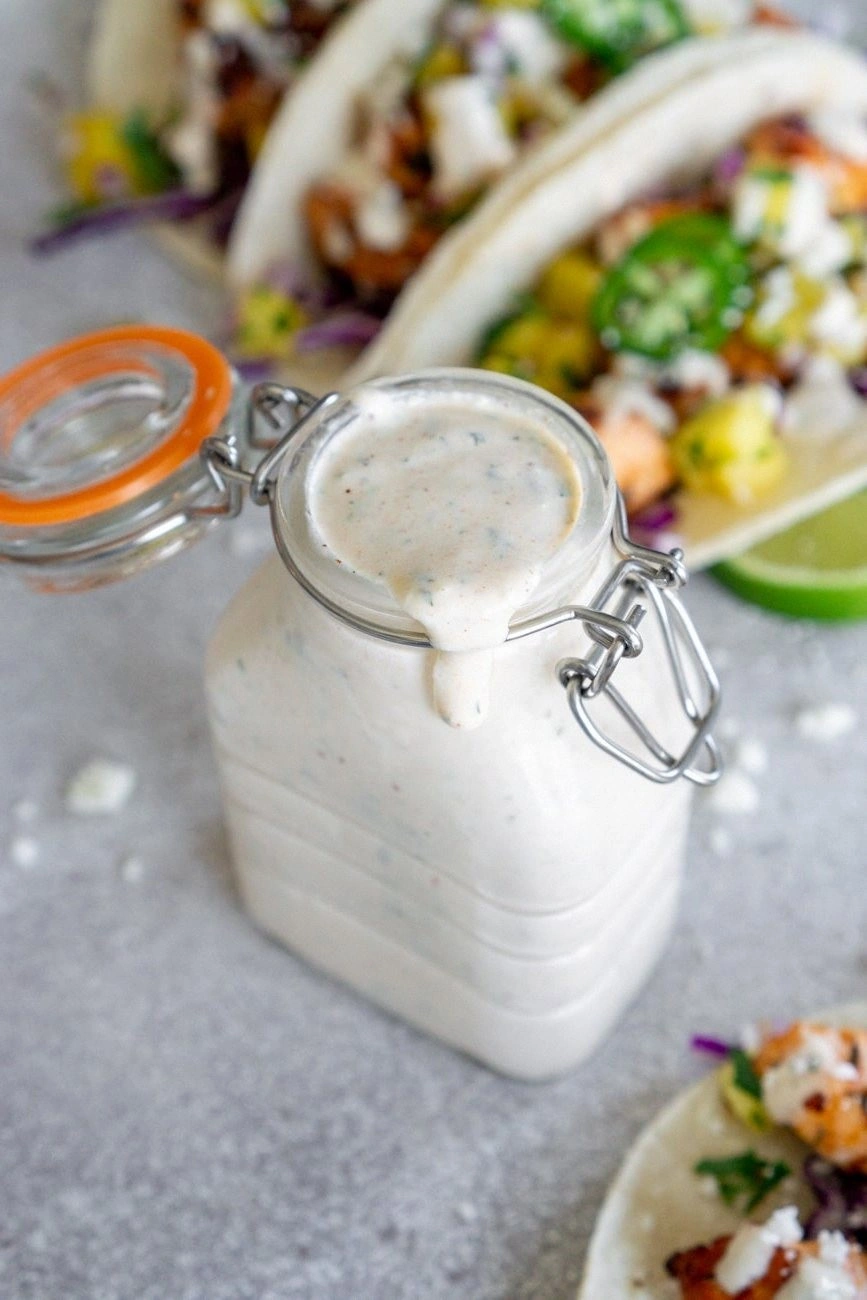
- Velvet Texture: The Greek yogurt and mayonnaise blend into a silky sauce that coats the taco shell like velvet, preventing it from drying out while adding a cool contrast to the smoky fish. The olive oil gives it a glossy sheen that makes every bite feel premium. If you've ever struggled with a sauce that feels too thick or too runny, this is the fix.
- Fresh Finish: Lime juice and cilantro cut through the richness, adding a bright, citrusy lift that wakes up the senses. The acidity balances the fats, creating a harmonious flavor profile that feels like a summer breeze. Most recipes get this completely wrong by overusing lime or underusing cilantro.
- All‑Day Versatility: Whether you’re grilling, baking, or pan‑frying your fish, this sauce adapts perfectly. It can be whisked into a creamy dip or drizzled over a platter for a quick party spread. The make‑ahead potential is high — it keeps well in the fridge for up to five days.
- Ingredient Integrity: Every spice is chosen for its aromatic potency, not for cost. The use of light olive oil keeps the calorie count reasonable while still delivering a robust flavor. The recipe respects both budget and taste.
- Instant Crowd‑Pleaser: At my last gathering, guests asked for the recipe after the first bite. Their reactions—eyes widening, mouths watering—proved the sauce’s universal appeal. This is the kind of dish that turns a simple meal into a memorable experience.
Alright, let's break down exactly what goes into this masterpiece...
Inside the Ingredient List
The Flavor Base
Onion powder and garlic powder form the aromatic backbone of the sauce, providing depth without the clumpiness of fresh garlic. Their powdered form releases flavor steadily, allowing each bite to taste balanced. If you skip them, the sauce loses that savory foundation and becomes a bland cream. For a lower sodium option, consider a pinch of sea salt instead of kosher salt.
The Heat Crew
Chili powder and cayenne pepper are the dynamic duo that give this sauce its signature kick. The chili powder offers a mild warmth and earthy undertone, while cayenne adds a fiery bite that lingers. If you prefer a milder heat, reduce cayenne to 1/4 teaspoon and add a splash of smoked paprika for smokiness. Remember, heat is personal—taste as you go.
The Unexpected Star
Greek yogurt is the unsung hero that balances the richness of mayonnaise with a tangy lift. It also adds protein and reduces the overall calorie density compared to a mayo‑only sauce. If you’re vegan, swap for a plant‑based yogurt that matches the thickness. The yogurt’s mild tang complements the lime, creating a cohesive citrus profile.
The Final Flourish
Cilantro and lime juice are the finishing touches that bring freshness and brightness. Cilantro’s herbal notes counterbalance the heat, while lime juice injects a zesty acidity that cuts through the richness. If cilantro is off the menu, try fresh mint or parsley for a different herbal note. A squeeze of fresh lemon can also work if you prefer a slightly sweeter citrus.
Everything's prepped? Good. Let's get into the real action...
The Method — Step by Step
- Begin by whisking the Greek yogurt and mayonnaise together in a medium bowl until smooth. The goal is a uniform base that will carry the spices evenly. If you’re in a hurry, use a hand mixer for a few seconds to ensure there are no lumps. This is the moment of truth; a smooth sauce guarantees a silky finish.
- Add the onion powder, garlic powder, chili powder, cumin, cayenne pepper, and kosher salt to the yogurt‑mayonnaise mixture. Stir with a rubber spatula until the spices are fully incorporated. The mixture should smell toasty, a sign that the spices have released their oils. Taste and adjust salt if needed.
- Pour in the white vinegar and olive oil, whisking until the sauce emulsifies. The olive oil adds a glossy sheen and a subtle fruity note that elevates the flavor profile. Watch for the sauce to thicken slightly; if it’s too thin, add a touch more yogurt. This step is crucial for a balanced texture.
- Squeeze the juice of one lime directly into the bowl, then fold in chopped cilantro. The lime’s acidity brightens the sauce, while cilantro adds a fresh herbal note. If you’re allergic to cilantro, parsley or mint can be an excellent substitute. This step should feel like a burst of sunshine in a bowl.
- Taste the sauce and adjust the heat by adding an extra pinch of cayenne if you crave more intensity. The sauce should have a subtle warmth that lingers on the palate without burning your tongue. If the heat is too sharp, a drizzle of honey can mellow it out.
- Let the sauce rest for ten minutes at room temperature. During this time, the flavors will meld together, creating a more cohesive taste. Cover the bowl loosely with plastic wrap to keep the surface from drying out. The rest is where the sauce truly develops its character.
- Meanwhile, prepare your fish of choice—tilapia, cod, or mahi‑mahi work best. Season the fillets with a pinch of salt and pepper, then grill or pan‑fry until flaky. The fish should be cooked through yet still moist; overcooking will make it dry and unappetizing.
- While the fish is cooking, warm your taco shells according to the package instructions. The shells should be pliable but not soggy. A quick sear on a hot skillet gives them a subtle crunch that contrasts nicely with the creamy sauce.
- As the fish finishes, break it into bite‑sized pieces and arrange on a platter. Drizzle the sauce over the fish, letting it pool slightly to create a luscious pool of flavor. The sauce should look glossy and inviting, like a small lagoon in a taco.
- Toss the fish with the sauce until each piece is evenly coated. The sauce should cling to the fish without dripping excessively. This ensures every bite delivers that creamy, spicy kick.
- Arrange the coated fish onto warmed taco shells, adding any additional toppings such as shredded cabbage or sliced avocado. The contrast of textures—crisp cabbage, creamy sauce, tender fish—creates a symphony in your mouth. Plate them neatly for an Instagram‑ready presentation.
- Serve immediately while the tacos are still warm. The sauce is best enjoyed fresh; it’s a quick, vibrant burst of flavor that’s perfect for a casual dinner or a weekend gathering. The experience of biting into a taco that’s both creamy and zesty is unforgettable.
That's it — you did it. But hold on, I've got a few more tricks that'll take this to another level...
Insider Tricks for Flawless Results
The Temperature Rule Nobody Follows
Never let the sauce sit on a hot surface for too long. If it warms up, the yogurt can curdle, breaking the emulsion. Keep the sauce on a cool or room‑temperature bowl and stir lightly. A quick dip in the fridge before serving will keep it silky and stable.
Why Your Nose Knows Best
Smell the sauce as you mix; a faint citrus note indicates the lime is fresh, while a sharp peppery scent signals the spices are well‑distributed. Your nose is a reliable judge of flavor balance. If the aroma is too mild, add a pinch more chili powder.
The 5‑Minute Rest That Changes Everything
Allow the sauce to rest for five minutes after mixing all ingredients. This short pause lets the flavors meld and the acidity mellow. A sauce that sits too long on the counter can become too sharp; a rest balances the heat and tang.
The Perfect Fish‑Sauce Ratio
Aim for a 2:1 ratio of fish to sauce for optimal coating. Too much sauce can overwhelm the delicate fish, while too little leaves it dry. This ratio ensures each bite is saturated with flavor without feeling greasy.
The Final Touch of Heat
If you love a fiery finish, drizzle a few drops of hot sauce or sprinkle chili flakes just before serving. This last burst of heat adds drama and makes the dish feel elevated. Be mindful of your guests’ heat tolerance.
Creative Twists and Variations
The Smoky Chipotle Twist
Swap the chili powder for chipotle powder and add a teaspoon of adobo sauce. The smoky undertone pairs beautifully with grilled fish, turning each taco into a flavor-packed adventure. This variation is perfect for a late‑afternoon BBQ.
The Coconut Cream Upgrade
Replace half the Greek yogurt with coconut milk for a tropical twist. The creamy coconut adds a subtle sweetness that balances the heat. Pair it with pineapple salsa for an island vibe.
The Vegan Version
Use a plant‑based yogurt and vegan mayo, and substitute fish with grilled tofu or tempeh. The sauce remains creamy and spicy, while the protein source shifts to plant‑based. This makes the dish suitable for pescatarians and vegans alike.
The Mediterranean Fusion
Add a tablespoon of harissa paste and a sprinkle of za'atar to the sauce. The North African spices give a bold, aromatic profile that contrasts with the citrus. Serve over a bed of couscous for a Mediterranean twist.
The Quick‑Fix Version
If you’re in a hurry, combine the yogurt and mayo, then whisk in the spices and lime all at once. The sauce will still deliver on flavor, though it may be slightly less refined. This version is ideal for a busy weeknight.
Storing and Bringing It Back to Life
Fridge Storage
Transfer the sauce to an airtight container and refrigerate for up to five days. The yogurt’s acidity helps preserve freshness, while the mayo adds a creamy base that resists separation. Before serving, give the sauce a quick stir to restore its silky texture.
Freezer Friendly
The sauce can be frozen for up to two months in a freezer‑safe container. When ready to use, thaw overnight in the fridge. Once defrosted, whisk thoroughly; the texture may be slightly thinner, but it will still coat the fish beautifully.
Best Reheating Method
Reheat the sauce gently in a saucepan over low heat, stirring constantly. Add a splash of water or milk to help it regain its smoothness. Avoid high heat, which can cause the sauce to curdle or separate.