I was standing in my kitchen, half‑heartedly stirring a bland pitcher of store‑bought iced tea, when a sudden craving for something that could actually make me forget the heat of July hit me like a rogue wave. The kind of craving that makes you stare at the fridge door, imagine a tropical breeze, and wonder why you ever settled for a drink that tastes like watered‑down sugar. I grabbed a handful of frozen red berries, a bag of hibiscus petals that had been gathering dust on the pantry shelf, and a bottle of honey, and I thought, “What if I could turn this disaster into the most refreshing, blush‑pink elixir you’ve ever sipped?” That moment of reckless optimism turned into a full‑blown kitchen experiment, and the result was nothing short of a liquid masterpiece.
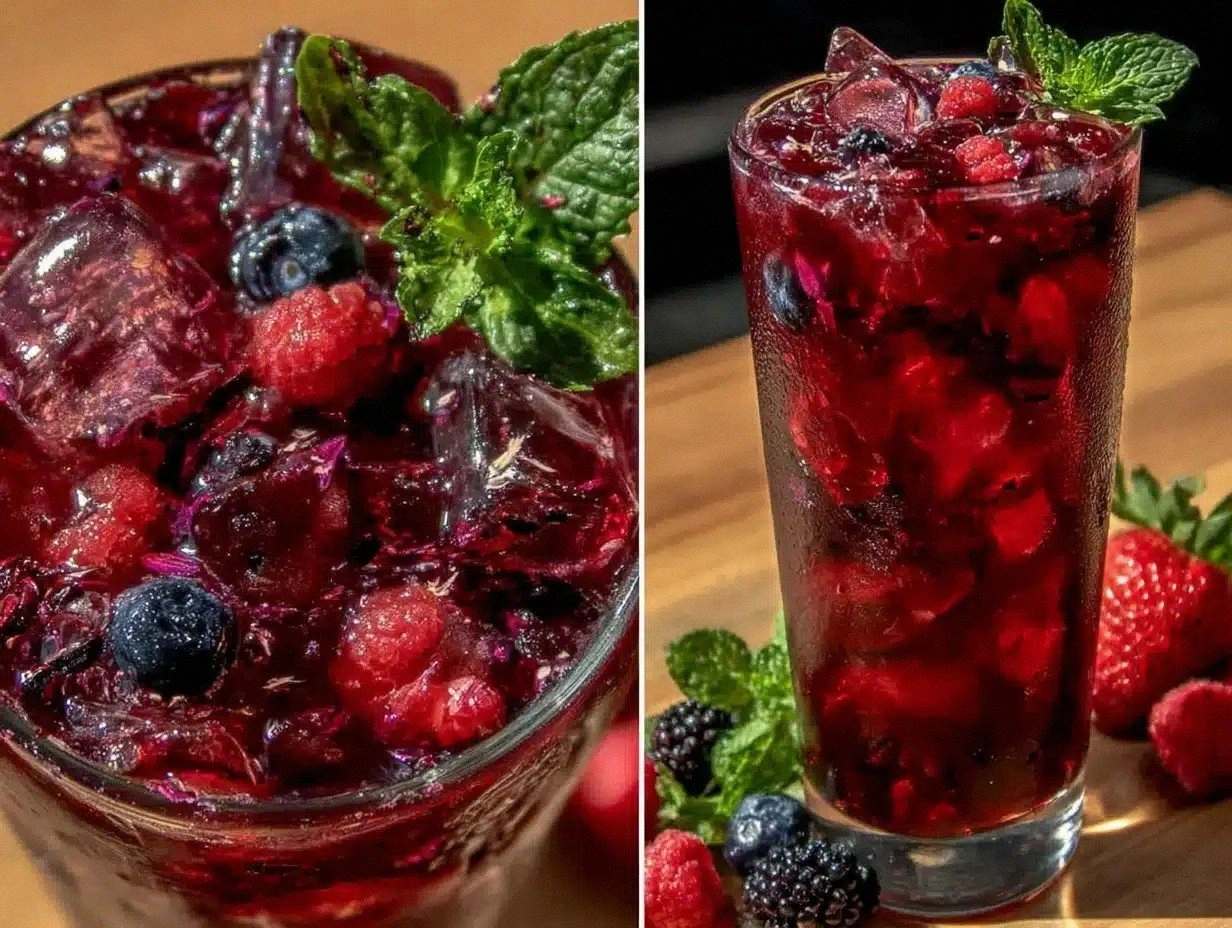
Picture this: a glass of icy tea that shimmers with ruby‑red speckles, the fragrant perfume of hibiscus flirting with the bright citrus zing of lemon, and a whisper of mint that makes the whole thing feel like a garden party in a glass. When you take the first sip, the tartness of the hibiscus hits your palate first, then the sweet burst of berries follows, and finally the smooth honey rounds everything out like a silk scarf. The temperature contrast—crystal‑clear ice clinking against the glass—creates a tiny symphony that makes your taste buds do a happy dance. I dare you to taste this and not go back for seconds; it’s that good.
Most recipes for hibiscus iced tea either drown the delicate floral notes in too much sugar or forget the power of fresh fruit entirely. I’ve tried a dozen variations that left me with a drink that either tasted like a medicinal tonic or a sugary slushie—nothing in between. This version, however, balances the tang, the sweet, and the fresh in a way that feels almost scientific, yet it’s as simple as a three‑step process. The secret? A quick cold‑brew of hibiscus that preserves its bright color, plus the strategic use of frozen berries that melt slowly, releasing flavor without watering down the brew. I’ll be honest — I ate half the batch before anyone else got to try it, and that’s a confession I’m willing to make because the taste is that addictive.
Let me walk you through every single step — by the end, you’ll wonder how you ever made it any other way. Okay, ready for the game‑changer? The next part? Pure magic. Stay with me here — this is worth it.
What Makes This Version Stand Out
- Tangy Balance: The hibiscus provides a bright, cranberry‑like tang that cuts through the natural sweetness of the berries, creating a harmonious flavor swing that feels like a summer sunset in your mouth.
- Natural Sweetness: Using frozen berries means you get the sugars locked inside the fruit, so you don’t need a truckload of added sweetener. The honey or maple syrup just adds a gentle, floral finish.
- Minty Freshness: A small handful of fresh mint leaves adds an aromatic lift that makes the drink feel crisp and clean, like a cool breeze on a hot day.
- Simple Prep: No fancy equipment required—just a pot, a strainer, and a pitcher. You can brew the hibiscus while the berries thaw, saving precious time.
- Eye‑Catching Color: The deep ruby hue from the hibiscus combined with the ruby‑red speckles of the berries makes this drink Instagram‑ready without any artificial coloring.
- Make‑Ahead Friendly: The brewed hibiscus concentrate can be stored in the fridge for up to a week, meaning you can whip up a pitcher in minutes on any scorching afternoon.
- Versatile Crowd‑Pleaser: Whether you’re serving kids, adults, or anyone in between, the balanced sweetness and tang keep everyone reaching for another glass.
- Health Boost: Hibiscus is packed with antioxidants, and the berries bring vitamins and fiber, turning a simple refreshment into a nutrient‑dense treat.
Inside the Ingredient List
The Flavor Base
Dried hibiscus petals are the heart of this drink. Their tart, cranberry‑like flavor provides the backbone that makes the tea sing. If you skip them, you lose the signature tang that sets this beverage apart from ordinary fruit teas. I recommend sourcing organic hibiscus from Pukka or a reputable loose‑leaf brand; the quality of the petals directly influences the aroma and color intensity. A cheap, stale batch can taste flat and even a little metallic.
The Texture Crew
Frozen mixed red berries are the secret weapon for texture and natural sweetness. Because they’re frozen, they melt slowly, releasing juice without watering down the brew. If you’re out of frozen berries, fresh berries work too—just add a splash of water to compensate for the missing ice melt. The combination of strawberries, raspberries, and cherries gives you a layered fruit profile that’s both sweet and slightly tart.
The Unexpected Star
Fresh lemon juice adds a bright, citrusy zing that lifts the entire flavor pyramid. It’s the spark that prevents the drink from feeling too sweet or heavy. If lemons aren’t your thing, a splash of lime works just as well, though it will add a slightly different aromatic note. Skipping the lemon means you’ll miss that clean finish that makes each sip feel like a fresh start.
The Final Flourish
Honey or maple syrup provides gentle sweetness without overpowering the natural fruit flavors. I prefer raw honey for its floral undertones, but maple syrup adds a subtle caramel depth that pairs beautifully with hibiscus. Adjust the amount to taste—if you like it sweeter, add a half‑tablespoon more; if you prefer a drier profile, cut back. Fresh mint leaves are optional but highly recommended; they introduce a cooling element that makes the drink feel even more refreshing on a hot day.
Everything's prepped? Good. Let’s get into the real action…
The Method — Step by Step
Start by heating 4 cups of water in a medium saucepan. As soon as the water reaches a gentle simmer—just shy of a rolling boil—remove it from the heat. Toss in the 1/4 cup (20g) of dried hibiscus petals, and give them a quick stir. Let the petals steep for exactly 5 minutes; you’ll notice the water turning a deep ruby color, and a fragrant, slightly tart aroma will fill your kitchen, like a garden in bloom after a rainstorm.
Kitchen Hack: If you’re in a rush, place the saucepan in a bowl of ice water after steeping. This instantly cools the hibiscus concentrate, preserving its bright flavor and preventing over‑extraction.While the hibiscus is still warm, strain it through a fine‑mesh sieve into a large pitcher. Press the petals with the back of a spoon to extract every last drop of color and flavor. Discard the petals (or compost them—they’re great for garden mulch). At this point, you should have a fragrant, ruby‑red liquid that smells like a summer garden party.
Add the 2 tablespoons (30ml) of fresh lemon juice to the strained hibiscus. The lemon will cause a gentle fizz as it meets the acidic hibiscus, a tiny celebration of bubbles that signals the flavor is balancing out. Stir in the 2 tablespoons (30ml) of honey or maple syrup. If you’re using honey, make sure it’s fully dissolved—this is where the warm hibiscus works in your favor.
Now comes the fruit. Toss the 1 cup (150g) of frozen mixed red berries into the pitcher. As the berries sit, they’ll begin to thaw, releasing their juices into the tea. Give the mixture a gentle stir every few minutes; this ensures an even distribution of berry flavor and prevents the berries from clumping at the bottom.
Watch Out: If you use fresh berries instead of frozen, add a splash of extra water to keep the brew from getting too thick.Give the entire mixture a final stir, then cover the pitcher and place it in the refrigerator. Let it chill for at least 1 hour; the longer it sits, the more the flavors meld together. I recommend a minimum of 2 hours for the ultimate depth—this is the moment of truth where the hibiscus, lemon, honey, and berries become best friends.
When you’re ready to serve, pull out a handful of fresh mint leaves, give them a quick slap between your palms to release their oils, and toss them into each glass. This small gesture adds a refreshing aroma that lifts the entire drinking experience.
Fill each glass with ice cubes—enough to keep the drink icy but not so much that it dilutes the flavor within minutes. Pour the chilled hibiscus‑berry tea over the ice, watching the ruby liquid cascade down the sides of the glass. The ice will cause a gentle clink, a sound that says “summer is officially here.”
Top each glass with a few whole frozen berries for garnish, and if you’re feeling extra fancy, add a sprig of mint on the rim. Serve immediately and watch your guests’ eyes widen with delight. I dare you to taste this and not smile—if they do, you’ve nailed it.
Kitchen Hack: For an ultra‑clear drink, run the finished tea through a coffee filter before serving. This removes any tiny berry pulp that can cloud the glass.
That’s it — you did it. But hold on, I’ve got a few more tricks that’ll take this to another level…
Insider Tricks for Flawless Results
The Temperature Rule Nobody Follows
Never steep hibiscus in boiling water. A scorching boil extracts too many tannins, turning your tea bitter and a‑little astringent. Keep the water just below boiling (around 190°F) and you’ll capture the bright, floral notes without the harsh aftertaste. I once ignored this rule and ended up with a drink that tasted like a medicinal syrup—lesson learned.
Why Your Nose Knows Best
Your sense of smell is a more reliable indicator of flavor balance than a timer. When the hibiscus has steeped, give it a quick sniff. If you detect a sharp, almost vinegar‑like scent, it’s over‑extracted; if you smell a gentle floral sweetness, you’re spot on. Trust your nose, and you’ll avoid the common pitfall of “over‑steeping” that ruins many tea recipes.
The 5‑Minute Rest That Changes Everything
After you combine all the ingredients, let the mixture sit uncovered for five minutes before refrigerating. This short rest allows the lemon juice to fully integrate with the hibiscus, softening any harsh edges. A friend tried to skip this step once and ended up with a drink that tasted “sharp” on the palate—nothing like the smooth finish we’re aiming for.
Mint Mastery
Don’t just drop mint leaves in the pitcher and forget them. Lightly bruise the leaves between your fingers or give them a quick roll on a cutting board. This releases the essential oils, ensuring every sip carries that cool, refreshing mint note without being overpoweringly herbaceous.
Ice Cube Intelligence
Use a silicone ice cube tray to make larger cubes. Bigger cubes melt slower, keeping your drink cold longer without diluting it. If you’re serving a crowd, pre‑freeze a few extra berries inside the ice cubes for a visual pop that also adds flavor as the ice melts.
Creative Twists and Variations
This recipe is a playground. Here are some of my favorite ways to switch things up:
Tropical Sunset
Swap the mixed red berries for frozen mango and pineapple chunks. Add a splash of coconut water for a creamy, island‑vibe finish. The hibiscus still provides the tang, while the tropical fruits bring a sweet, sunny brightness.
Spiced Autumn
Add a pinch of ground cinnamon and a star anise pod to the hibiscus steeping water. Use maple syrup instead of honey for a deeper, caramel‑like sweetness. This version works beautifully in early fall when you crave warming spices.
Sparkling Celebration
Replace half of the water with sparkling mineral water just before serving. The effervescence lifts the flavors, making it a perfect brunch cocktail (or mocktail). Garnish with a thin lemon wheel for extra visual flair.
Herbal Fusion
Add a sprig of fresh rosemary to the steeping pot alongside the hibiscus. The herb’s piney aroma pairs surprisingly well with the floral notes, creating a sophisticated flavor profile that’s great for adult gatherings.
Zero‑Sugar Delight
Omit honey or maple syrup and let the natural sweetness of the berries shine. If you need a hint of sweetness, stir in a few drops of liquid stevia or monk fruit extract. This version is perfect for those watching their sugar intake.
Storing and Bringing It Back to Life
Fridge Storage
Transfer any leftover tea to an airtight glass jar and keep it in the refrigerator. It stays fresh for up to 5 days. Give the jar a gentle shake before serving to re‑integrate any settled flavors.
Freezer Friendly
If you’ve made a big batch, pour the brewed hibiscus concentrate (without berries) into ice cube trays and freeze. These “tea cubes” can be dropped into a glass for an instant chill without dilution, and you can add fresh berries later.
Best Reheating Method
When you need to warm the tea for a hot version, add a tiny splash of water before heating. This creates steam that revives the flavor profile, preventing the hibiscus from tasting flat. Heat gently on the stove over low heat, stirring occasionally, until just warm.