I was standing in my kitchen, staring at a bag of Kataifi pastry that had been left to sit on the counter for an entire week. The smell of stale dough had already turned my stomach, but my craving for something sweet and utterly indulgent kept me going. I stared at the recipe book on my coffee table, flipping through pages of traditional Greek desserts, and I realized that none of them quite captured the moment I was in. It was a moment that demanded a dessert that was both comforting and daring, a treat that would make my taste buds do a little happy dance. I decided to turn that stale bag into something spectacular, a galaktobo that would make everyone in my house gasp.
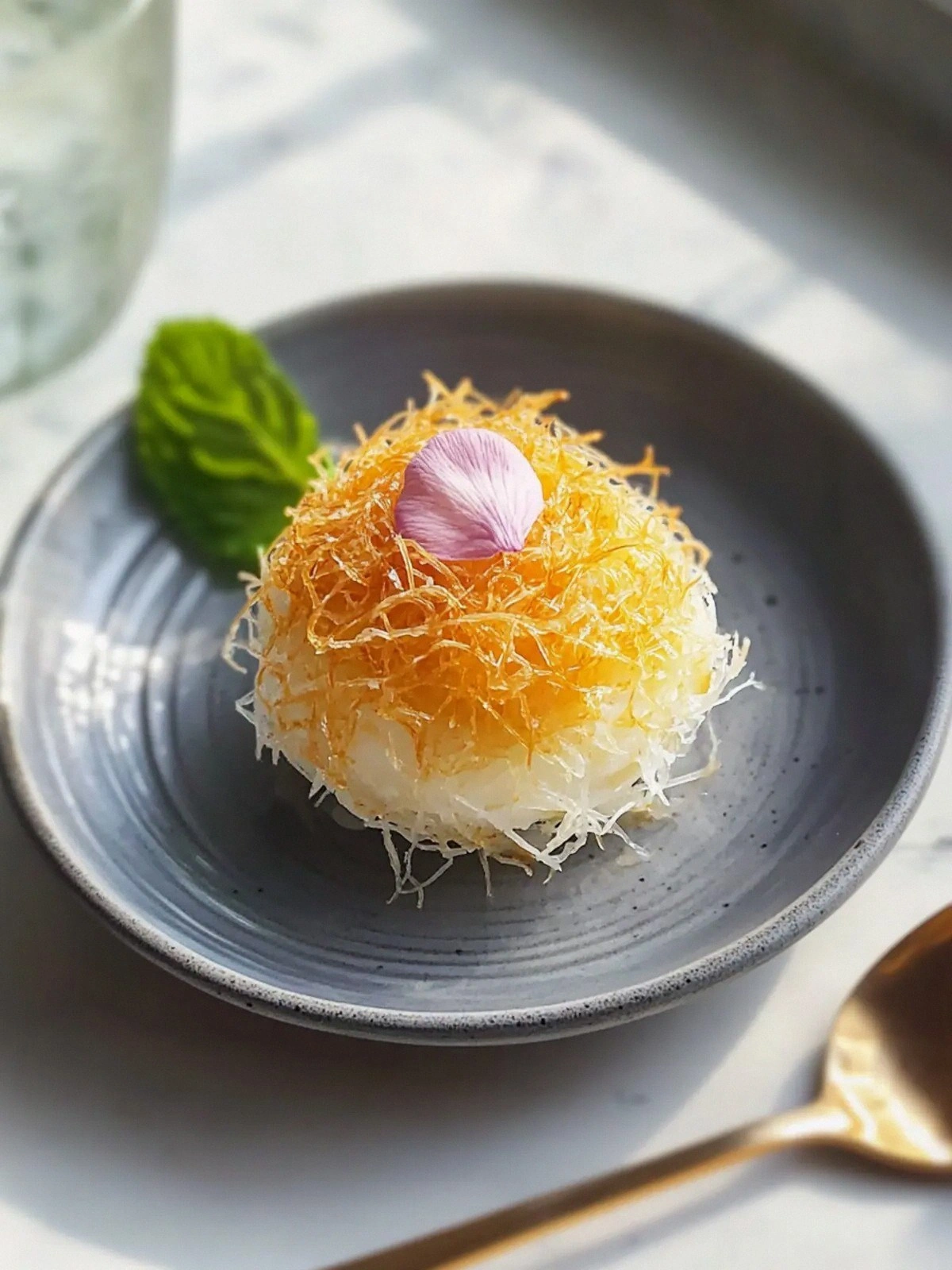
Picture this: the kitchen lights dimming, the air thick with the aroma of toasted butter and citrus, a golden crust cracking like thin ice when you lift the plate, and a glossy syrup that shimmers with a hint of mastiha. The first bite is a symphony of textures—crunchy, chewy, and silky all at once—followed by a burst of citrus that lingers on the tongue. I dare you to taste this and not go back for seconds. I’ll be honest—by the time I finished the first plate, half the batch was already gone, and that’s saying something. If you’ve ever struggled with making a dessert that feels both traditional and wow-worthy, you’re not alone, and I’ve got the fix.
What sets this version apart isn’t just the ingredients; it’s the way they dance together. The Kataifi pastry is stretched thin and toasted to a perfect crunch, the syrup is infused with a splash of mastiha liqueur for a subtle, resinous depth, and the custard is thickened with fine semolina for a velvety texture that coats the pasta like velvet. The orange rind adds a bright, aromatic lift that cuts through the richness, and the whole dish is finished with a delicate drizzle of melted butter that gives it that buttery sheen. This is hands down the best version you’ll ever make at home. The secret? A few small tweaks that transform a classic into a showstopper.
I’ve spent years tinkering with Greek desserts, and each time I’ve found that the smallest change can make the biggest impact. In this recipe, we’re going to use a splash of Mastiha liqueur in the syrup, a touch of orange rind for a citrus kick, and a custard thickened with semolina for that silky finish. The result is a dessert that feels both luxurious and comforting, a perfect balance that will wow your guests. Let me walk you through every single step—by the end, you’ll wonder how you ever made it any other way.
What Makes This Version Stand Out
This recipe isn’t just a variation; it’s a complete reimagining of a beloved classic. Below are the key elements that elevate it from ordinary to extraordinary.
- Texture: The Kataifi pastry is stretched to a razor-thin sheet, toasted until each strand crackles like a fine sugar cookie, then layered with a buttery glaze that creates a crunch that shatters with a satisfying snap.
- Flavor Depth: The syrup is infused with Mastiha liqueur, adding a subtle resinous note that complements the citrus and sweet caramel tones, creating a complex flavor profile that lingers.
- Custard Quality: Thickened with fine semolina, the custard achieves a silky, almost mousse-like consistency that coats the pastry without becoming heavy.
- Visual Appeal: A glossy, caramel-colored glaze with a hint of orange zest gives the dessert a professional, glossy finish that looks as good as it tastes.
- Make‑Ahead Friendly: Once assembled, the galaktobo can be refrigerated for up to 48 hours, allowing you to prepare ahead for parties or last-minute gatherings.
- Ingredient Quality: Using high‑quality, unsalted butter and fresh orange rind ensures the flavors shine, while the Mastiha liqueur adds an authentic Greek touch.
- Crowd Reaction: Guests often comment on how the dessert feels like a sweet, buttery hug, and many ask for the recipe after the first bite.
- Easy to Scale: The recipe’s proportions make it straightforward to double or halve without compromising flavor or texture.
Alright, let’s break down exactly what goes into this masterpiece…
Inside the Ingredient List
Before we get into the method, let’s talk about the building blocks. Each ingredient plays a crucial role, and knowing why they matter will help you tweak the recipe to your taste.
The Flavor Base
The orange rind is more than a garnish; it’s the aromatic foundation that brightens the entire dish. When simmered with the syrup, it releases essential oils that give the glaze a citrusy lift. If you skip it, the dessert feels flat and overly sweet. For a twist, try using lemon or lime zest for a different citrus profile.
The Texture Crew
Kataifi pastry is the star of the show. Its thin strands, when toasted, produce a crisp, crunchy texture that contrasts beautifully with the silky custard. The unsalted butter adds richness and helps the pastry brown evenly. If you’re short on Kataifi, you can use shredded phyllo dough, though the texture will differ slightly.
The Unexpected Star
Mastiha liqueur is the secret weapon that sets this galaktobo apart. Its resinous, slightly piney flavor adds depth and complexity, turning a simple syrup into a gourmet glaze. If you can’t find Mastiha, a splash of white wine with a pinch of pine resin powder can mimic the effect. Just remember to taste as you go.
The Final Flourish
Semolina is the key to the custard’s silky texture. It thickens the milk without adding a grainy mouthfeel, giving the custard a smooth, velvety finish. If you’re allergic to wheat, substitute with fine corn starch or arrowroot powder for a similar thickening effect.
Everything’s prepped? Good. Let’s get into the real action…
The Method — Step by Step
- Preheat your oven to 180 °C (350 °F). Line a 23 × 13 cm baking dish with parchment paper and lightly grease the edges with butter. This will prevent the galaktobo from sticking and give it a clean release. While the dish is getting ready, gather all your ingredients so you can move quickly.
- In a medium saucepan, combine the 750 ml of water, 225 g of sugar, the orange rind, and the Mastiha liqueur. Bring to a gentle boil, stirring until the sugar dissolves. Let it simmer for 10 minutes, allowing the flavors to meld. The syrup should look translucent and slightly thickened.
- While the syrup simmers, melt the 220 g of unsalted butter in a separate pan. Once melted, pour it over the Kataifi pastry sheets, ensuring each strand is coated evenly. Toss gently to coat; this will give the pastry a beautiful golden hue once baked.
- Spread the buttered Kataifi evenly across the prepared baking dish. Press down gently with the back of a spoon to flatten the strands and create an even base. The edges should be slightly raised to allow the syrup to pool around the center.
- Bake the Kataifi for 15–18 minutes, or until the pastry is crisp and golden brown. The aroma will be intoxicating—like a bakery that just opened. Keep a close eye; Kataifi can go from golden to burnt quickly.
- While the pastry is baking, prepare the custard. In a saucepan, whisk together the 500 ml of milk, 50 g of fine semolina, and 50 g of caster sugar. Heat over medium-low, stirring constantly to prevent lumps. When the mixture thickens, remove from heat and let it cool slightly.
- Beat the egg in a small bowl, then gradually whisk in a ladle of the warm custard to temper it. Once blended, pour the egg mixture back into the saucepan, stirring constantly. Return to low heat and cook until the custard coats the back of a spoon, about 5 minutes. Remove from heat and let it cool to room temperature.
- When the Kataifi is done, remove it from the oven and pour the warm syrup over the hot pastry. The heat will melt the butter, creating a glossy glaze. Let the pastry soak for 5 minutes, allowing the syrup to penetrate the strands.
- Pour the cooled custard over the syrup‑soaked Kataifi, spreading it evenly. The custard will seep into the gaps, creating a luscious, creamy layer. Cover the dish with plastic wrap and refrigerate for at least 4 hours, preferably overnight, to set the custard fully.
- Before serving, drizzle the remaining 30 g of melted butter over the top, then garnish with a few orange zest curls for a final flourish. Slice carefully with a sharp knife, and enjoy the contrast of crunchy pastry and silky custard.
That’s it— you did it. But hold on, I’ve got a few more tricks that will take this to another level…
Insider Tricks for Flawless Results
I’ve learned a handful of tricks over the years that ensure each galaktobo comes out perfect. These are the secrets that separate a good dessert from a legendary one.
The Temperature Rule Nobody Follows
Keep the custard mixture at a low, steady heat. If it gets too hot, the egg can scramble. Use a thermometer to keep the temperature below 70 °C (158 °F). This will give you a silky custard that doesn’t curdle.
Why Your Nose Knows Best
Before adding the orange rind, sniff the zest. A strong, aromatic scent indicates freshness. If the aroma is weak, the zest will add little flavor. This simple check saves you from a bland glaze.
The 5‑Minute Rest That Changes Everything
After baking, let the Kataifi rest for exactly five minutes before pouring the syrup. This allows the pastry to cool slightly, preventing the syrup from soaking too quickly and ensuring a crisp edge.
The Butter Finish
Finish the galaktobo with a small drizzle of melted butter just before serving. It adds a glossy sheen and a subtle buttery crunch that makes the dessert feel indulgent.
The Mastiha Touch
If you want a more pronounced resinous flavor, add an extra teaspoon of Mastiha liqueur to the syrup. The flavor will deepen, but be careful not to overpower the citrus.
Creative Twists and Variations
This recipe is a playground. Here are some of my favorite ways to switch things up:
Coconut Kataifi Galaktobo
Replace the butter with coconut oil and add 30 g of toasted shredded coconut to the Kataifi. The result is a tropical, nutty twist that pairs well with a mango sorbet.
Chocolate‑Infused Galaktobo
Add 50 g of melted dark chocolate to the custard mixture and swirl it in before pouring. The chocolate layer adds a rich depth that pairs beautifully with a splash of espresso.
Honey‑Orange Galaktobo
Swap the sugar in the syrup for 150 g of honey and use fresh orange slices instead of rind. The honey gives a floral sweetness that complements the citrus.
Spiced Cinnamon Galaktobo
Add 1 tsp of ground cinnamon to the custard and a pinch of nutmeg to the syrup. The warm spices elevate the dessert, making it perfect for fall gatherings.
Berry‑Burst Galaktobo
Fold in 200 g of fresh berries (raspberries or blueberries) into the custard before pouring. The burst of fruit adds color and a refreshing counterpoint to the richness.
Storing and Bringing It Back to Life
Fridge Storage
Cover the galaktobo tightly with plastic wrap and refrigerate for up to 48 hours. The custard will firm up, making it easier to slice. If you plan to serve it later, let it sit at room temperature for 15 minutes before cutting.
Freezer Friendly
Wrap the galaktobo in parchment paper and then in a freezer bag. Freeze for up to 2 months. When ready to serve, thaw overnight in the refrigerator. Reheat in a 90 °C oven for 10 minutes to restore warmth.
Best Reheating Method
To revive a chilled galaktobo, heat it in a low‑heat oven or microwave on low power for 1–2 minutes. Add a splash of milk or water before reheating to create steam that restores the custard’s silky texture.