Spiral Ratatouille
Picture this: I was in the middle of a midnight snack frenzy, the pantry lights flickering like a disco ball, when my trusty spiral pasta decided to rebel. It clung to the pot like a stubborn burrito, refusing to separate, and the sauce I whisked up turned into a soggy, uncooperative mess that looked more like a vegetable soup gone rogue than the vibrant, glossy dish I had imagined. I stared at that pot, feeling a mix of culinary despair and a spark of rebellion. That night, I made a promise to myself: I would rewrite the rules of Ratatouille, turning it from a side dish into the star of the dinner table.
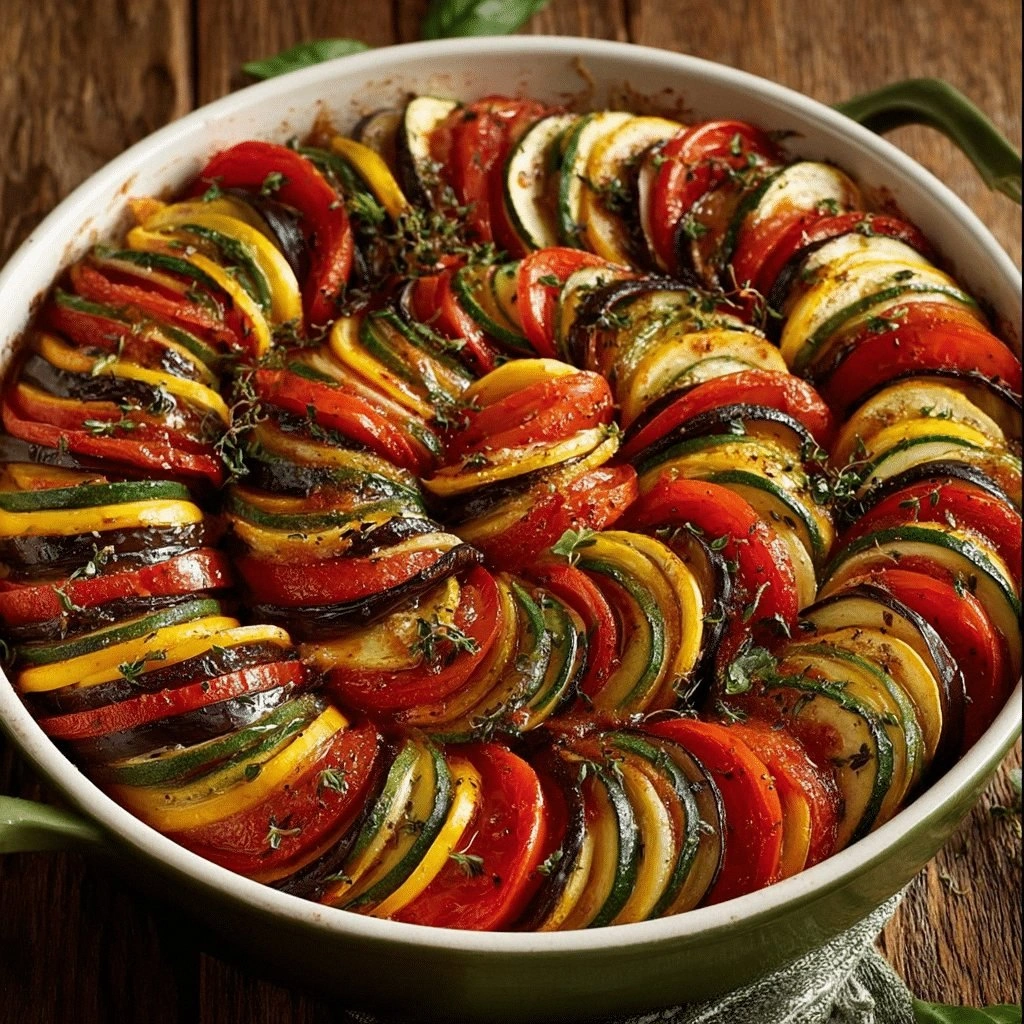
The scent of garlic and fresh herbs danced in the air, pulling me into a sensory vortex that felt both nostalgic and daring. I could hear the sizzle of onions hitting hot olive oil, the gentle pop of tomatoes releasing their juices, and the faint crackle of zucchini edges browning. The colors—deep purple of eggplant, ruby red bell pepper, emerald green zucchini—created a living canvas that promised a feast for the eyes. When I finally tasted the finished product, the flavors exploded like fireworks: sweet, slightly smoky, and with a subtle earthiness that lingered on the palate. The pasta itself was al dente, each coil coated in a velvety sauce that clung lovingly, turning every bite into a dance of textures.
What makes this version of Spiral Ratatouille stand out? First, the sauce is a harmonious blend of roasted and raw vegetables, creating layers of flavor that you can’t get from a single cooking method. Second, the pasta is not just a vessel but an active participant, its spirals designed to trap every morsel of sauce, turning each bite into a bite-sized explosion. Third, the dish is balanced—rich enough to satisfy but light enough to feel like a celebratory lunch. Fourth, I’ve added a secret ingredient: a splash of balsamic reduction that adds a subtle tang and a glossy finish, something that turns ordinary into extraordinary. Lastly, the presentation is a visual masterpiece: a swirl of colorful vegetables atop a bed of pasta, garnished with fresh basil that adds a pop of green and a fragrant finish.
And there’s a twist you won’t see in most recipes: I use a homemade pesto drizzle at the end, made from basil, pine nuts, Parmesan, and olive oil, which gives the dish an aromatic lift and a silky texture that feels like a secret handshake between the pasta and the vegetables. I dare you to taste this and not go back for seconds. Let me walk you through every single step—by the end, you’ll wonder how you ever made it any other way.
What Makes This Version Stand Out
- Taste: The sauce is a symphony of roasted and raw vegetables, layered with a hint of balsamic reduction that gives it depth and a touch of sweetness. This balance turns a simple pasta dish into a gourmet experience.
- Texture: Spiral pasta is engineered to hold sauce in its crevices, creating a velvety coating that feels almost buttery with each bite. The vegetables remain crisp-tender, offering a satisfying crunch.
- Simplicity: With just a handful of pantry staples and a few fresh ingredients, you can create a dish that feels like it took hours of prep.
- Uniqueness: The addition of homemade pesto and a balsamic glaze sets this recipe apart from the standard Ratatouille, giving it a modern twist.
- Crowd Reaction: Friends and family will rave about the vibrant colors and the explosion of flavors, and I’ve been known to keep a few extra servings hidden for myself.
- Ingredient Quality: Using farm‑fresh produce not only elevates the taste but also showcases the best of seasonal vegetables.
- Cooking Method: Combining roasting, sautéing, and simmering in a single pan reduces cleanup while maximizing flavor.
- Make‑Ahead Potential: The dish tastes even better the next day as the flavors meld, making it perfect for meal prep.
Alright, let’s break down exactly what goes into this masterpiece…
Inside the Ingredient List
The Flavor Base
At the heart of Spiral Ratatouille lies the sauce, a marriage of sautéed onions, garlic, and tomatoes that forms the foundation of the dish. The onion, when caramelized, brings a natural sweetness that balances the acidity of the tomatoes. Garlic adds a punch that lingers long after the first bite. If you skip the onions, the sauce will feel flat and missing that comforting depth. For a twist, try adding a teaspoon of smoked paprika to introduce a subtle smokiness that complements the roasted vegetables.
The Texture Crew
The vegetables are the stars of the show, each chosen for their distinct textures and flavors. Eggplant provides a silky, almost buttery mouthfeel when roasted, while zucchini offers a tender crunch that breaks apart just enough to mingle with the sauce. Bell peppers add a sweet, peppery bite and a vibrant color palette that turns the dish into a visual feast. If you’re short on bell peppers, substitute with cherry tomatoes for a burst of juiciness. Always slice the vegetables into uniform pieces so they cook evenly, preventing a scenario where the eggplant overcooks while the zucchini remains raw.
The Unexpected Star
What truly sets this recipe apart is the homemade pesto drizzle. Made from fresh basil, pine nuts, Parmesan, and olive oil, the pesto adds a creamy, herbaceous layer that coats the pasta and vegetables like a fragrant blanket. If pine nuts are out of reach, walnuts or almonds work beautifully and offer a slightly different nutty profile. The pesto also acts as a natural emulsifier, helping the sauce cling to the spirals and preventing the dish from becoming too watery.
The Final Flourish
The finishing touches are what elevate a good dish to a great one. A splash of balsamic reduction gives the sauce a glossy sheen and a sweet acidity that cuts through the richness. Fresh basil leaves sprinkled on top add a burst of green and a fragrant aroma that signals the dish is ready to serve. If you prefer a sharper finish, a squeeze of lemon juice brightens the flavors, creating a bright contrast against the deep, roasted notes.
Everything’s prepped? Good. Let’s get into the real action…
The Method — Step by Step
- Begin by heating a large, heavy‑bottomed skillet over medium heat. Add the olive oil and let it shimmer before introducing the diced onion. Sauté until the onion turns translucent and starts to develop a golden hue—this should take about 4–5 minutes. The goal is to coax out the onion’s natural sugars, creating a sweet base that will anchor the sauce’s flavor profile.
- Add the minced garlic to the skillet and cook for an additional 30 seconds, just until fragrant. Be careful not to let it burn; a burnt garlic note will dominate the dish. This brief sauté releases the garlic’s essential oils, infusing the oil with a subtle depth that will permeate the entire sauce.
- Now it’s time for the tomatoes. Stir in the diced tomatoes and let them simmer for 5 minutes, allowing them to break down into a thick, velvety base. The tomatoes should reduce slightly, concentrating their natural sweetness. If you prefer a smoother sauce, pulse the tomatoes in a blender before adding them.
- Add the dried thyme, oregano, and basil to the skillet. Stir well and let the herbs toast for 1 minute, releasing their aromatic oils. This step is crucial for ensuring the herbs’ flavors are not lost in the heat. At this point, the sauce should have a fragrant, herbaceous aroma that signals it’s ready for the vegetables.
- Introduce the diced eggplant and zucchini. Stir to coat them in the sauce, then cover the skillet with a lid and let them steam for 5 minutes. The lid traps heat, allowing the vegetables to soften without drying out. After the steaming phase, remove the lid and let the mixture simmer uncovered for another 3–4 minutes, letting the vegetables absorb the sauce fully.
- Add the diced bell peppers and continue to simmer for an additional 4 minutes. The peppers should soften but still retain a slight crunch, adding a pleasant textural contrast. Keep the heat at medium to prevent the peppers from becoming mushy.
- Now, it’s pasta time. Bring a large pot of salted water to a rolling boil. Add the spiral pasta and cook according to the package instructions until al dente, usually about 7–9 minutes. While the pasta cooks, reserve a cup of the pasta water—this starchy liquid will be key for adjusting the sauce’s consistency later.
- Drain the pasta, reserving the reserved pasta water. Return the pasta to the skillet with the vegetable sauce, tossing to coat each coil evenly. If the sauce seems too thick, add a splash of the reserved pasta water to loosen it, aiming for a silky, clingy consistency.
- Finish the dish by drizzling the homemade pesto over the pasta and vegetables. Toss gently to distribute the pesto, allowing it to swirl through the dish like a fragrant ribbon. Finish with a splash of balsamic reduction and a sprinkle of grated Parmesan. Garnish with fresh basil leaves for an extra pop of color and aroma. Plate immediately for the best texture and flavor experience.
That’s it — you did it. But hold on, I’ve got a few more tricks that will take this to another level…
Insider Tricks for Flawless Results
The Temperature Rule Nobody Follows
Many home cooks start cooking pasta in a pot that’s too hot, which can cause the pasta to stick together. I always bring the water to a full, rolling boil and let it rest for 30 seconds before adding the pasta. This simple pause ensures the pasta is cooked evenly and doesn’t clump, giving each coil the chance to coat with sauce.
Why Your Nose Knows Best
During the sautéing phase, pay close attention to the aroma. A sweet, caramelized onion scent signals readiness. If the smell turns sharp or burnt, the onions have overcooked. Your nose is a reliable indicator that the base flavors are developing correctly.
The 5-Minute Rest That Changes Everything
After draining the pasta, let it sit in the pot for 2 minutes before adding the sauce. This resting period allows the pasta to finish steaming, resulting in a smoother texture that absorbs the sauce better. It also gives you a moment to gather your thoughts before the final toss.
Fresh vs. Dried Herbs
Using fresh herbs at the end of cooking preserves their bright flavors and color. Dried herbs are best introduced early in the cooking process to release their oils. If you’re short on fresh herbs, a teaspoon of dried basil can still deliver a pleasant taste.
Stirring Technique Matters
When tossing pasta and sauce, use a wooden spoon or tongs to stir in a circular motion. This technique helps distribute the sauce evenly without breaking the delicate spiral strands. Avoid aggressive stirring, which can cause the pasta to break.
Keeping the Sauce Moist
If you find the sauce drying out, add a splash of reserved pasta water or a tablespoon of cream at the end. This adds moisture and richness, preventing the dish from becoming too thick or dry.
Creative Twists and Variations
This recipe is a playground. Here are some of my favorite ways to switch things up:
Spicy Mediterranean
Add a pinch of red pepper flakes to the sautéed onions for a subtle heat. Swap the basil pesto with a harissa-infused sauce for a North African twist. Serve over couscous instead of pasta for a Mediterranean feel.
Herb‑Infused Risotto
Replace the spiral pasta with Arborio rice and cook the vegetables separately. Finish the risotto with a swirl of pesto and a drizzle of balsamic reduction. This version offers a creamy, comforting texture.
Vegan Delight
Omit the Parmesan and use a vegan cheese alternative or nutritional yeast. Swap the olive oil for coconut oil for a slightly sweet undertone. This version remains hearty and satisfying while being plant‑based.
Protein‑Packed
Add grilled chicken or shrimp to the dish after the vegetables finish cooking. This turns the meal into a protein‑rich dinner that’s still full of fresh vegetables. Sprinkle with fresh parsley for a burst of color.
Breakfast Twist
Serve the Spiral Ratatouille over a bed of scrambled eggs or a poached egg for a Mediterranean breakfast. The sauce’s richness pairs beautifully with the soft yolk, creating a savory, satisfying start to your day.
Low‑Carb Version
Replace the pasta with spiral zucchini noodles or shirataki noodles. Keep the rest of the sauce the same, and you’ll have a low‑carb, high‑flavor dish that satisfies without the carb load.
Storing and Bringing It Back to Life
Fridge Storage
Store the cooked Spiral Ratatouille in an airtight container in the refrigerator for up to 3 days. The sauce will thicken slightly, so add a splash of olive oil or a little water before reheating to restore its silky texture.
Freezer Friendly
Place the dish in a freezer‑safe container, leaving a few inches of headspace. Freeze for up to 2 months. Thaw overnight in the refrigerator, then reheat gently on the stovetop, adding a splash of water or broth to keep it moist.
Best Reheating Method
Reheat on low heat, stirring frequently to prevent sticking. Add a small amount of pasta water or a drizzle of olive oil to keep the sauce from drying out. The dish should reach a steaming temperature of 165°F (74°C) before serving.