I burned dinner three times last week. Not because I can't cook—because I got cocky. Thought I could wing it on a stir-fry while answering emails, folding laundry, and pretending I'm on a cooking show. Spoiler: the chicken turned to shoe leather, the sauce tasted like burnt sugar water, and the smoke alarm became my dinner bell. So on night four, I stomped into the kitchen, slammed a bag of Brussels sprouts on the counter like it owed me money, and vowed to create a teriyaki chicken bowl so fool-proof, so ridiculously flavorful, that even my future distracted self couldn't wreck it. What happened next was part redemption, part magic, and part "why didn't I think of this sooner?"
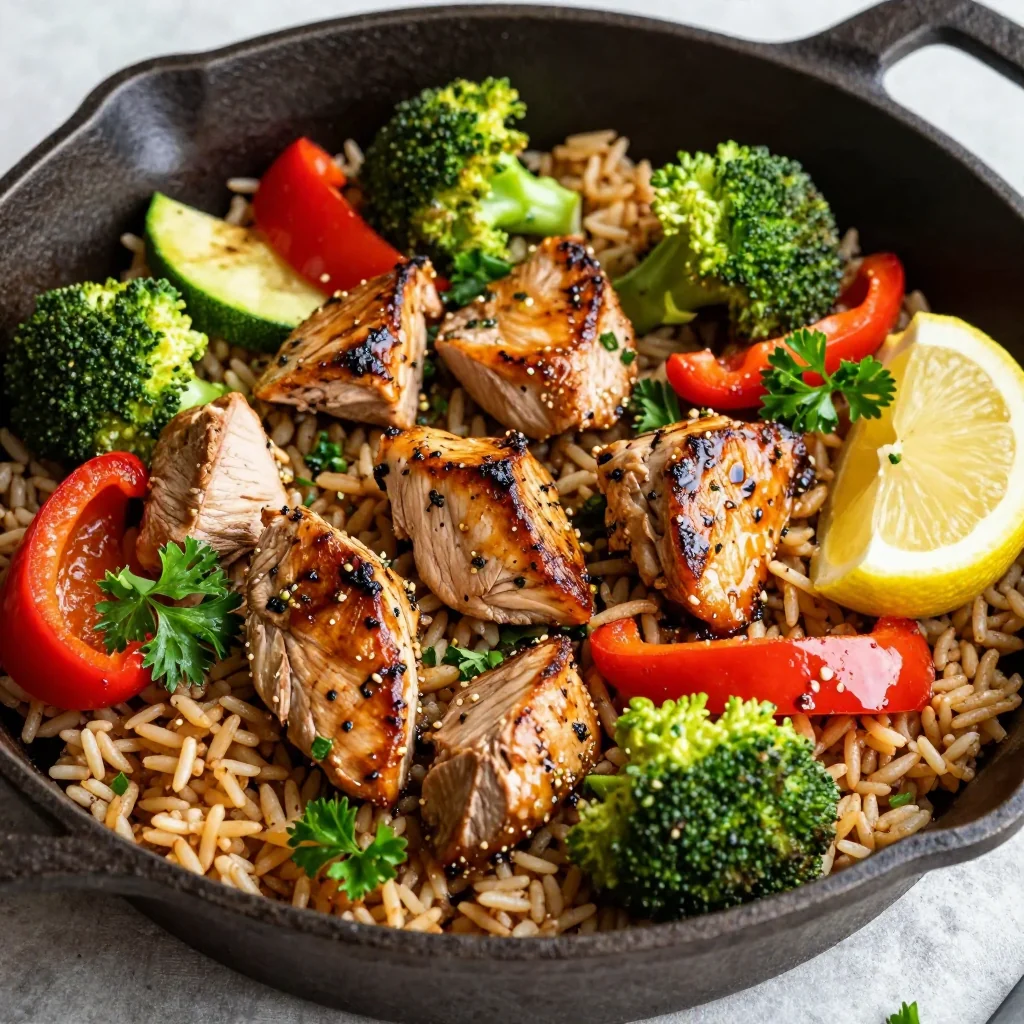
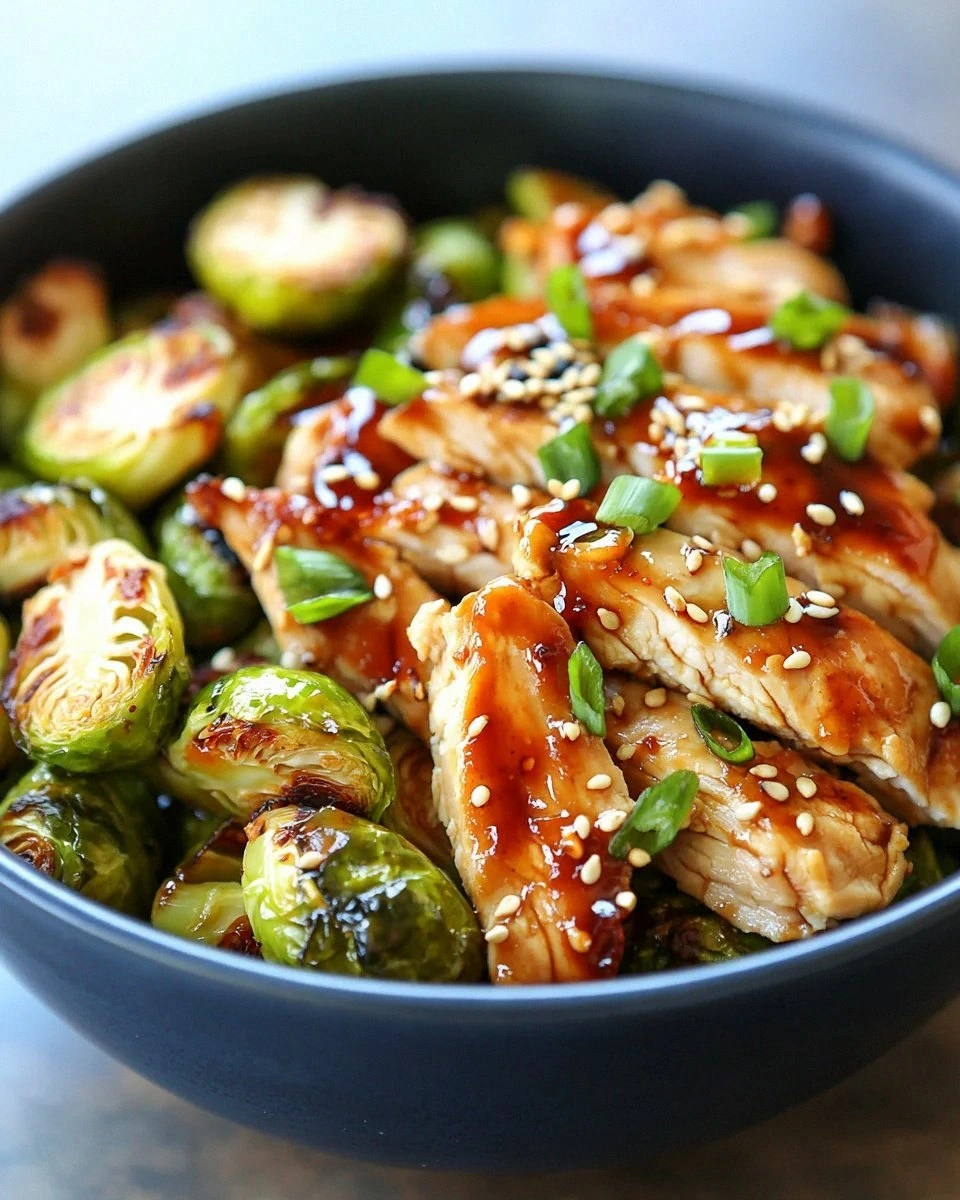
Picture this: mahogany-glazed chicken chunks that glisten like they just stepped out of a glossy food mag, sitting atop a fluffy rice throne, crowned with shards of Brussels sprouts so crispy they crackle like a winter campfire. The sauce? A salty-sweet lacquer that clings to every nook of the chicken, seeping into the rice, weaving itself around those earthy sprouts until every bite tastes like you hired a private chef who secretly loves you. That first forkful had me muttering "oh no, oh no, oh no" because I knew—knew—I was about to demolish the entire skillet before my roommate even sniffed it.
Most teriyaki recipes are one-note sugar bombs that leave you with a throat coated in syrup and a heart full of regret. This one layers flavor like a symphony: soy for bass, ginger for sparkle, rice vinegar for a high-note tang, and a kiss of molasses that deepens everything into slow-jam territory. The Brussels aren't a sad afterthought either; they roast into delicate petals with papery edges that shatter between your teeth while the centers stay tender and almost creamy. If you've ever pushed Brussels around your plate as a kid, this recipe is your delicious apology to them.
Stay with me here—this is worth it. By the time you finish reading, you'll have a dinner weapon that rescues busy Tuesdays, impresses last-minute guests, and makes your kitchen smell like you have your life together (even if your laundry mountain says otherwise). Let me walk you through every single step—by the end, you'll wonder how you ever made it any other way.
What Makes This Version Stand Out
- Double-Caramel Magic: We sear the chicken first for fond, then glaze it in the same pan so the teriyaki picks up every browned bit. Translation: layers of smoky depth no takeout container can match.
- Brussels That Snap: Instead of soggy steamed sadness, we shred them into feather-light ribbons, toss with sesame oil, and roast until the edges frizzle like tiny kale chips. You will fight people for the last scrap.
- One-Pan Efficiency: Sheet pan, skillet, rice cooker. That's it. By the time the rice fluffs itself, the chicken is glazed and the sprouts are crisp. Weeknight sanity restored.
- Sauce Without Corn Syrup: We thicken with a quick reduction and a whisper of cornstarch, keeping the gloss but ditching that cloying candy vibe. You can pronounce every ingredient.
- Meal-Prep Royalty: Components stay perky for four days in the fridge. Pack the rice, chicken, and sprouts in separate corners of your container and reheat only what you touch. Lunchtime envy guaranteed.
- Kid-to-Foodie Flex: Tone down the chili flakes and picky eaters hoover it. Crank up the Sriracha and sprinkle sesame seeds and you've got Instagram gold that still tastes better than it looks.
Alright, let's break down exactly what goes into this masterpiece...
Inside the Ingredient List
The Flavor Base
Soy sauce is the salty backbone, but not all bottles are created equal. Reach for a naturally brewed Japanese or Korean brand (look for "brewed" on the label) and skip the chemical hydrolyzed stuff that tastes like a penny soaked in salt water. If gluten haunts your household, tamari subs in seamlessly with a rounder, almost mushroom-like depth. Fresh garlic and ginger aren't negotiable; the pre-minced jars taste like gym socks after three days in a gym bag. Grate them on a microplane until they dissolve into fragrant slush that perfumes the oil within seconds.
The Texture Crew
Chicken thighs are the unsung heroes here—juicy, forgiving, and laced with just enough fat to self-baste under high heat. Breast meat dries out faster than a gossip dies in a small town; save it for another fight. For the sprouts, smaller is better: tight, lime-green heads feel heavy for their size and peel like Christmas ornaments. The outer leaves get lacy and caramelized while the cores stay sweet and nutty. Toasted sesame oil is your finishing ace; a final drizzle adds smoky perfume that makes people close their eyes involuntarily.
The Unexpected Star
Molasses might sound like a curveball, but it's the difference between a flat, one-dimensional sweetness and a dark, moody syrup that tastes like midnight in Tokyo. Just a teaspoon deepens the sauce, adding bittersweet notes that cling to the chicken like a guilty secret. No molasses? Dark brown sugar brings some of that molasses already mixed in. Another sleeper: rice vinegar brightens everything with a gentle tang, cutting through the sugar so your palate stays alert instead of sinking into a sugar coma.
The Final Flourish
White pepper brings a subtle heat that blooms at the back of your throat rather than punching you in the face. It's the ninja of spices—present but unseen. Toasted sesame seeds add tiny pops of nuttiness and visual confetti, while thinly sliced scallions give a grassy snap that makes the whole bowl taste alive. If you like fireworks, a whisper of shichimi togarashi (Japanese seven-spice) throws citrus, chili, and nori into the party without overwhelming the sweet glaze.
Everything's prepped? Good. Let's get into the real action...
The Method — Step by Step
- Rice First, No Regrets: Rinse two cups of jasmine rice under cold water until it runs almost clear—this washes away surface starch that turns rice gummy. Dump it into your rice cooker with a scant 1/4 teaspoon of salt and water to the marked line. If you're stove-top gang, bring 3 cups water to a boil, add rice, reduce to the lowest whisper, clamp on a lid, and ignore it for 18 minutes. No peeking; steam is shy and runs away when watched. Fluffy rice is your edible plate, soaking up sauce like a hungry sponge.
- Shred Those Sprouts: Slice each Brussels sprout in half through the root, lay them flat, and knife them into hair-thin ribbons. The goal is maximum surface area for blistering. Toss with 1 tablespoon toasted sesame oil, 1/2 teaspoon kosher salt, and a few cracks of white pepper. Spread on a sheet pan like neon-green confetti—crowding equals steaming, and we want roast. Slide into a 425 F oven for 15 minutes, shake once, then roast another 10 until the edges turn mahogany and smell like popcorn's sophisticated cousin.
- Cube and Season Chicken: Pat two pounds of boneless, skinless thighs dry with paper towels; moisture is the enemy of browning. Cut into 1-inch chunks—big enough to stay juicy, small enough to glaze thoroughly. Season with 1 teaspoon kosher salt, 1/2 teaspoon white pepper, and 1 tablespoon cornstarch. The cornstarch is our insurance policy, creating a micro-coating that grabs sauce later.
- Sear Like You Mean It: Heat a heavy skillet (cast iron preferred) over medium-high until a drop of water skitters like a nervous bead. Add 2 tablespoons neutral oil, swirl, and lay chicken in a single layer. Now walk away for three solid minutes—no poking, no stirring. We want golden crust, not gray steamed sadness. Flip when the edges turn opaque halfway up the sides and release easily. Under-cook slightly; they'll finish in the sauce.
- Build the Glaze: Lower heat to medium, add 2 teaspoons grated ginger and 2 cloves grated garlic to the remaining oil. Stir 30 seconds until the raw smell vanishes and your kitchen smells like you live inside a warm hug. Pour in 1/3 cup soy sauce, 1/4 cup mirin, 2 tablespoons rice vinegar, 3 tablespoons brown sugar, 1 teaspoon molasses, and 1/4 cup water. Scrape the browned bits—those are free flavor bombs.
- The Thickening Moment: Simmer gently for five minutes so the alcohol in mirin cooks off and the sugar melts into a glossy ripple. Whisk 1 teaspoon cornstarch with 1 tablespoon cold water until no lumps remain, then stream it into the sauce while stirring. Within 60 seconds the liquid transforms into a shiny lava that coats the back of a spoon. If you taste it now, good luck stopping; it's teriyaki's purest form.
- Reunite Chicken and Sauce: Slide the seared chicken (and any resting juices—never waste flavor) back into the pan. Toss gently with a rubber spatula until each piece looks like it just stepped out of a candy coating machine. Simmer 2 minutes so the glaze permeates the meat. Taste, adjust salt or chili, and kill the heat.
- Assemble Like an Artist: Spoon rice into shallow bowls, creating a fluffy cloud base. Nestle chicken on top, letting the sauce drip seductively down the sides. Pile a haystack of crispy Brussels over the crown. Shower with sesame seeds, scallion ribbons, and—if you're feeling spicy—thin jalapeño coins. Serve immediately while the sprouts sing and the glaze still bubbles.
That's it—you did it. But hold on, I've got a few more tricks that'll take this to another level...
Insider Tricks for Flawless Results
The Temperature Rule Nobody Follows
Most home cooks blast the heat and wonder why the garlic tastes bitter and the chicken's outside is charcoal. Medium-high for searing, medium for glazing—those are the sweet spots. If the oil smokes like a chimney, your pan is too hot; remove it from the burner for 30 seconds and start again. Conversely, if the chicken exudes white gunk, the heat is too low and you're poaching. Listen for a confident sizzle the moment protein hits metal; it should sound like applause.
Why Your Nose Knows Best
Ignore the clock; trust your nostrils. When the ginger and garlic hit fat, they go from raw to nutty in roughly 25 seconds—smell when the sharp bite mellows into warm bakery vibes. Same for the Brussels: they smell slightly sulfurous when raw, then suddenly switch to popcorn and toasted nuts. That's your cue to pull the pan; color lags behind aroma by about a minute. My roommate once asked if I was making kettle corn. Mission accomplished.
The 5-Minute Rest That Changes Everything
After glazing, let the chicken sit off heat for five minutes. Starches tighten when heated, trapping sauce on the surface; resting allows the glaze to soak in while the exterior stays glossy. Cutting too early equals rivers of sweet soy running off your cutting board and a sad, bare piece of meat. Bonus: those resting juices mix back into the rice for stealth flavor bombs.
Salting in Stages, Not All at Once
Sprinkle salt on the chicken before searing, but hold back on seasoning the sauce until the very end. Reduction concentrates salt, and an over-seasoned glaze turns into soy jerky. Taste after thickening, then adjust. Your future self, buzzing on a weeknight with a stuffy nose, will thank you for the built-in wiggle room.
Crisp Revival for Leftovers
Brussels lose their snap in the fridge, but a hot dry skillet resurrects them. Spread leftovers in a single layer, medium heat, no oil, 90 seconds. The residual moisture steams out and edges re-crisp. Microwave users, I see you—just know you're choosing convenience over crunch, and that's okay. We all have those days.
Creative Twists and Variations
This recipe is a playground. Here are some of my favorite ways to switch things up:
Sriracha-Honey Heat Wave
Replace the brown sugar with honey and whisk 2 teaspoons Sriracha into the finished glaze. The result is a fiery amber that glows like liquid sunset. Great for heat-seekers who still want that sweet backbone. Top with cooling cucumber ribbons to keep your tongue from staging a protest.
Miso-Peanut Butter Swirl
Stir 1 tablespoon white miso and 1 tablespoon creamy peanut butter into the sauce during the simmer. You get nutty, funky depth that tastes like satay married teriyaki on a tropical island. Use crushed roasted peanuts as a topper for extra swagger.
Pineapple Party Boat
Fold in fresh pineapple chunks during the last two minutes of glazing. The fruit heats just enough to release sweet-tart juice into the sauce, creating a Hawaiian vibe without the cliché maraschino cherry. Bonus: little caramelized edges on the pineapple that make you hum island tunes.
Low-Carb Cauli-Rice Remix
Swap rice for cauliflower rice sautéed hard in sesame oil until some bits turn golden. You still get the saucy drip, but the calorie count drops like a mic. Ideal for January when everyone's pretending salads excite them.
Vegetarian Tofu Triumph
Press extra-firm tofu under a cast-iron skillet for 20 minutes, cube, and toss with cornstarch. Pan-fry until all sides are crisp ivory croutons, then proceed with the glaze. The tofu drinks in sauce like a thirsty sponge; even carnivores grunt approval.
Autumn Squash Swap
Replace Brussels with cubed butternut squash tossed in cinnamon-y five-spice. Roast until the edges candy into amber gems. Earthy-sweet meets salty-savory in a collision that screams cozy sweater weather.
Storing and Bringing It Back to Life
Fridge Storage
Pack components separately in airtight glass containers. Rice stays fluffy for four days, chicken for five, and sprouts for three (they lose their crunch gradually). Keep sauce pooled with the chicken so it continues to flavor-marry. Line the lid of the sprouts container with a paper towel to absorb condensation that threatens crispness. Store scallions and sesame seeds in a tiny jar so they stay perky for garnish on reheated bowls.
Freezer Friendly
Freeze chicken and rice together in single-portion zip bags, flattened so they stack like books and thaw quickly. Brussels don't freeze well—trust me, they emerge limp and heartbroken. Instead, roast a fresh batch on reheating day; it takes ten minutes and your future self deserves crispy joy. Label bags with blue painter's tape and a Sharpie; mystery freezer meals die a slow death in the back corner.
Best Reheating Method
Microwave rice and chicken covered with a damp paper towel for 90 seconds, stir, then another 60 until steaming. Revive sprouts in a hot skillet as mentioned earlier, then assemble. If you're reheating from frozen, thaw overnight in the fridge or submerge the sealed bag in cold water for 30 minutes. Add a splash of water to the rice before microwaving; it steams back to life instead of turning into edible pebbles.