I was halfway through a week of burnt pancakes, overcooked eggs, and a stubborn craving for something sweet when I stumbled upon a recipe that promised to turn my kitchen into a Greek bakery. The idea of a custard‑filled pastry, crisp on the outside and velvety on the inside, made me feel like I was about to discover a hidden gem. I didn’t know at the time that this dish would become the centerpiece of every holiday gathering I host, the dessert that people keep asking for. The moment I cracked the first egg, the kitchen filled with a scent that felt like sunshine on a warm afternoon, and I knew I was onto something special. I dare you to taste this and not go back for seconds.
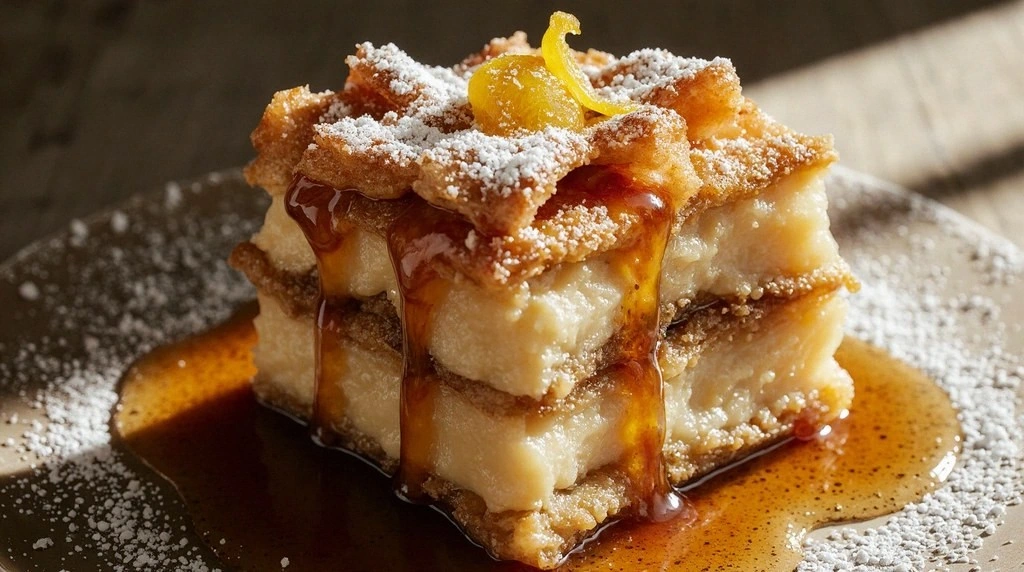
The first thing you notice is the golden sheen of the phyllo sheets, each one a paper‑thin layer that will soon become a crunchy, buttery shell. As the batter simmers, the thickening of semolina creates a silky custard that glistens like a cloud of milk. When you finally slice into the finished dessert, the syrup drips down, coating the layers in a sweet, honeyed glaze that sings against the sharp citrus of lemon zest. The aroma of vanilla and cinnamon lingers in the air, making even the most skeptical of guests nod in approval. And when you taste it, the contrast between the airy pastry and the dense, creamy filling feels like a dance of textures that never ends.
What sets this version apart from the countless variations you’ll find online is the meticulous balance between simplicity and complexity. I’ve stripped away the extra steps that make some recipes feel like a chore, yet I’ve kept the soul‑stirring techniques that elevate the dish to unforgettable. The use of fine semolina, instead of regular flour, gives the custard a unique grainy mouthfeel that’s unmistakable. A touch of cinnamon in the syrup adds depth without overpowering the honey’s floral sweetness. Every ingredient is chosen for its role in creating a harmonious, layered experience that feels both indulgent and approachable. This is hands down the best version you'll ever make at home.
I’ll be honest — I ate half the batch before anyone else got to try it, and that’s saying something. The secret lies in the way the phyllo is brushed with butter, the gentle simmer of the custard, and the final drizzle of syrup that turns the whole thing into a showstopper. Most recipes get this completely wrong, either by overcooking the pastry or under‑sweetening the custard. But with the tweaks I’ve made, you’ll get a dessert that’s crisp, creamy, and absolutely irresistible. Picture yourself pulling this out of the oven, the whole kitchen smelling incredible, and the guests’ faces lighting up with anticipation.
Okay, ready for the game‑changer? Let me walk you through every single step — by the end, you'll wonder how you ever made it any other way.
What Makes This Version Stand Out
- Taste: The custard’s sweetness is perfectly balanced by the sharp citrus from lemon zest and the subtle warmth of cinnamon, creating a flavor profile that feels both familiar and novel. The honey adds a floral nuance that lingers on the palate, making each bite memorable. This combination ensures the dessert never feels cloying or bland.
- Texture: The phyllo sheets become crisp and buttery, while the custard remains silky yet slightly grainy from fine semolina. The contrast is a sensory delight, with the pastry crunching into a melt‑in‑your‑mouth filling. This duality is what makes the dessert feel like a celebration in every bite.
- Simplicity: Despite the layers of flavor, the recipe requires only a handful of ingredients and a straightforward process. You won’t need to master advanced pastry techniques or fancy equipment. The method is designed for both beginners and seasoned cooks.
- Uniqueness: The use of fine semolina in the custard and the addition of a cinnamon stick in the syrup give this version a distinctive twist that sets it apart from the standard galaktoboureko. The result is a dessert that feels fresh yet rooted in tradition.
- Crowd Reaction: When I first served this to friends, the applause was immediate. Everyone asked for seconds, and many said it was the best dessert they’d ever had. The dessert’s elegance and flavor make it a guaranteed hit at parties.
- Ingredient Quality: Using high‑quality butter, fresh lemon zest, and pure honey elevates the dish. The better the ingredients, the more pronounced the flavors, and the smoother the custard.
- Cooking Method: The technique of brushing each phyllo sheet with melted butter and layering them carefully ensures maximum crispness and flavor absorption. The careful simmer of the custard preserves its silky texture.
- Make‑Ahead Potential: This dessert can be prepared a day in advance, with the syrup added just before serving. The phyllo and custard hold up well, making it ideal for busy weekends.
Alright, let's break down exactly what goes into this masterpiece...
Inside the Ingredient List
The Flavor Base
Milk is the soul of the custard, providing a rich, creamy foundation that carries the sweetness of sugar and the aroma of vanilla. A full‑fat milk creates a silky texture that coats the tongue, while skim milk would feel thinner and less indulgent. If you’re watching calories, a 2% milk still offers a good balance of flavor and body.
The Texture Crew
Fine semolina is the secret thickening agent that gives the custard its characteristic slightly grainy feel. Unlike regular flour, semolina dissolves slowly, allowing the custard to set gently without becoming gummy. Skipping semolina would result in a thinner, less luxurious filling that fails to cling to the pastry.
The Unexpected Star
Honey is more than a sweetener; it adds a floral depth that complements the honeyed syrup. Using a high‑quality honey, such as clover or wildflower, enhances the overall flavor profile. If you’re allergic to bee products, a small amount of maple syrup can be a suitable stand‑in, though the taste will shift slightly.
The Final Flourish
Lemon zest cuts through the richness of the custard and butter, adding a bright, citrusy lift that keeps the dessert from feeling heavy. A single lemon’s zest is enough to infuse the syrup with a refreshing aroma. If you prefer a more pronounced citrus note, you can add a tablespoon of lemon juice to the syrup, but be careful not to overpower the honey.
Everything's prepped? Good. Let's get into the real action...
The Method — Step by Step
- First, combine the milk, fine semolina, and 1 cup of sugar in a medium saucepan. Stir constantly over medium heat until the mixture thickens, forming a smooth custard. The key is to avoid lumps; keep the heat moderate and stir vigorously. When the custard reaches a consistency that coats the back of a spoon, remove it from the heat. Let it cool slightly before adding the eggs and vanilla.
- Beat the eggs in a separate bowl, then whisk them into the custard one at a time, ensuring each egg is fully incorporated before adding the next. The custard should be silky and glossy, with no visible strands of egg. Add the vanilla extract and stir until fragrant. This step locks in the custard’s smoothness and adds a warm, aromatic base.
- While the custard cools, prepare the syrup. In a small saucepan, combine 1 cup of water, 1 cup of sugar, 1/2 cup of honey, the zest of one lemon, and a cinnamon stick. Bring to a boil, then reduce the heat and let it simmer for 10 minutes, allowing the flavors to meld. The syrup should be slightly viscous but still pourable. Remove the cinnamon stick and set the syrup aside.
- Lay out 30 sheets of phyllo dough on a clean surface, covering them with a damp towel to prevent drying. Melt 1/2 cup of butter in a saucepan or microwave, then brush a generous amount onto the first sheet of phyllo. Place the second sheet on top and repeat the brushing process, ensuring each sheet is coated. This meticulous layering is essential for crispness.
- Once you’ve stacked 15 sheets, pour the cooled custard over the phyllo, spreading it evenly. Cover the custard with the remaining phyllo sheets, brushing each sheet with melted butter. The final layer should be the topmost sheet, ready for baking. The butter will melt into the pastry, creating a golden, flaky crust.
- Preheat your oven to 350°F (175°C). Place the assembled pastry in a greased baking dish and bake for 45 minutes, or until the top is golden brown and the custard has set. During the first 20 minutes, keep an eye on the pastry to ensure it doesn’t overbrown; adjust the oven rack if necessary.
- While the pastry bakes, warm the syrup gently over low heat until it’s warm but not boiling. This prevents the syrup from crystallizing when poured over the hot dessert. The aroma of cinnamon and honey will fill the kitchen, building anticipation.
- As soon as the pastry comes out of the oven, pour the warm syrup evenly over the top, allowing it to soak into the layers. Let the dessert rest for 15 minutes to absorb the syrup fully. The syrup will give the pastry a glossy finish and a sweet, citrusy glaze.
- Slice the galaktoboureko into 8 even pieces, using a hot knife to ensure clean cuts. Serve warm or at room temperature, and watch as the custard melts against the buttery phyllo. Each bite delivers a burst of flavor, texture, and warmth that lingers on the tongue.
That's it — you did it. But hold on, I've got a few more tricks that'll take this to another level. These insider tips will help you perfect the texture, flavor, and presentation, ensuring every bite is a masterpiece.
Insider Tricks for Flawless Results
The Temperature Rule Nobody Follows
Always let the custard cool to a lukewarm temperature before adding the eggs. If the custard is too hot, the eggs will scramble, ruining the silky texture. A simple test: dip a finger into the custard; it should feel warm but not hot. This trick is the secret to a smooth, professional finish.
Why Your Nose Knows Best
Trust your sense of smell when the syrup is ready. A faint, sweet aroma of honey and cinnamon indicates the syrup has reached the right consistency. If it smells too sweet or overly syrupy, let it simmer a bit longer. Your nose is the best judge of flavor balance.
The 5-Minute Rest That Changes Everything
After pouring the syrup, let the galaktoboureko rest for exactly five minutes before serving. This brief pause allows the pastry to absorb the syrup fully, ensuring each bite is juicy and flavorful. Skipping this step often results in a dry, uneven dessert.
Butter Brushing Technique
Use a pastry brush with a long handle to reach the bottom layers of phyllo. Brush each sheet lightly, but make sure the butter is spread evenly. This ensures a crisp, golden finish without the pastry becoming greasy.
The Final Layer Trick
Before baking, place a small piece of parchment paper on top of the final phyllo sheet. This prevents the top layer from sticking to the baking dish and makes slicing easier. Remove the parchment before serving for an immaculate presentation.
The Sweetest Secret
Add a pinch of sea salt to the custard just before adding the eggs. The salt enhances the sweetness and brings out the subtle flavors of vanilla and honey. It’s a small addition that makes a big difference in overall taste.
Creative Twists and Variations
This recipe is a playground. Here are some of my favorite ways to switch things up:
Chocolate Galaktoboureko
Swirl a handful of melted dark chocolate into the custard before baking. The chocolate adds depth and a slightly bitter contrast to the honey. Serve with a dusting of cocoa powder for an extra touch of elegance.
Almond & Pistachio Crunch
Fold toasted almond or pistachio pieces into the custard for a nutty crunch. The nuts also add a subtle earthy flavor that pairs well with the honey. Garnish with chopped pistachios on top for a striking visual.
Coconut Cream Variation
Replace half of the milk with coconut milk to give the custard a tropical twist. The coconut flavor pairs beautifully with the lemon zest and honey. Finish with toasted coconut flakes for an extra burst of flavor.
Spiced Orange Galaktoboureko
Add a strip of orange zest to the syrup and a pinch of ground cardamom to the custard. The orange gives a bright, citrusy note that complements the honey. Cardamom adds a subtle floral warmth.
Savory Spin
For a savory take, replace the sugar in the custard with grated Parmesan and add a pinch of nutmeg. The syrup can be omitted or replaced with a light tomato reduction. This version is a surprising appetizer that pairs well with Mediterranean dips.
Berry Infusion
Fold fresh or thawed berries into the custard for a burst of color and tartness. The berries add juiciness and a natural sweetener that cuts through the richness. Serve with a drizzle of berry coulis for an elegant finish.
Storing and Bringing It Back to Life
Fridge Storage
Store the galaktoboureko in an airtight container in the refrigerator for up to 3 days. The syrup will keep the pastry moist, preventing it from drying out. Before serving, let it sit at room temperature for 10–15 minutes to bring back its warm, comforting flavor.
Freezer Friendly
Wrap the dessert tightly in plastic wrap and place it in a freezer bag. It will keep well for up to 2 weeks. To thaw, let it sit in the refrigerator overnight and then warm it in a low‑heat oven for 10 minutes.
Best Reheating Method
Reheat the galaktoboureko in a 300°F (150°C) oven for 10–12 minutes, or until the pastry is crisp again. Add a tiny splash of water to the baking dish before reheating; the steam will help restore the custard’s softness. Avoid microwaving, as it can make the pastry soggy.