I swear I was standing in the kitchen with a half‑empty bottle of Merlot, a pile of orange peels, and a ridiculous amount of cinnamon sticks when my friend shouted, “If you can’t make mulled wine taste like a hug, you’re doing it wrong!” That moment was the spark that ignited the most daring, cozy, and downright addictive mulled wine I’ve ever crafted. I tossed the orange into the pot, let the cloves tumble like tiny fireworks, and before I knew it, the entire apartment was drenched in a scent so intoxicating it could have convinced a snowstorm to turn into a summer breeze. The first sip was a revelation – sweet, spicy, and with a whisper of brandy that made me feel like I’d discovered the secret handshake of the holiday spirit.
Picture this: a chilly November night, the wind rattling the windows, and a circle of friends gathered around a flickering fire pit, each clutching a steaming mug that looks like liquid amber. You hear the soft clink of glasses, the low hum of conversation, and the occasional burst of laughter that makes the night feel like a warm blanket. Your nose catches the aroma of orange zest mingling with cinnamon and star anise, while the subtle caramel notes from the honey glide across the palate like silk. The texture is smooth, yet every sip delivers a gentle bite of spice that makes your tongue do a little happy dance. It’s not just a drink; it’s an experience that turns ordinary gatherings into unforgettable memories.
Most mulled wine recipes out there either drown the wine in sugar or forget to balance the spices, leaving you with a cloying mess that tastes like a candy store after a sugar rush. I’ve been there, I’ve tasted that, and I’m here to tell you there’s a better way. This version respects the wine’s natural character, layering flavors like a maestro conducting a symphony – each spice plays its part, never overpowering the other. The secret? A splash of apple cider that adds depth without sweetness overload, and a precise timing that extracts flavor without turning the wine bitter. Trust me, this is hands down the best version you’ll ever make at home.
I dare you to taste this and not go back for seconds. Okay, ready for the game‑changer? The twist that will make you the star of Friendsgiving is the optional brandy splash – it adds a luxurious kick that feels like a warm hug from the inside out. Let me walk you through every single step — by the end, you’ll wonder how you ever made it any other way.
What Makes This Version Stand Out
- Taste: The marriage of dry red wine with bright orange and warm spices creates a layered flavor profile that evolves with each sip, never flat or one‑dimensional.
- Texture: The liquid remains silky smooth thanks to the gentle simmer, while the spices release their oils without turning gritty.
- Simplicity: Only eight ingredients, all pantry‑friendly, and a single pot – perfect for a crowd‑pleasing batch without the fuss.
- Uniqueness: The addition of apple cider adds subtle fruitiness and depth, a move most recipes completely miss.
- Crowd Reaction: Guests often claim they’ve never tasted anything like it, and the “I need the recipe!” chorus becomes instant background music.
- Ingredient Quality: Using a good‑quality Merlot or Cabernet Sauvignon ensures the wine’s natural tannins balance the sweetness and spice.
- Cooking Method: Low‑and‑slow simmer extracts maximum flavor while preserving the wine’s integrity, avoiding the dreaded “cooked wine” taste.
- Make‑Ahead Potential: It actually tastes better the next day once the flavors have married, making it perfect for prep‑ahead Friendsgiving.
Inside the Ingredient List
The Flavor Base
A bottle of dry red wine is the heart of this concoction. I recommend Merlot or Cabernet Sauvignon because their fruit-forward notes provide a sturdy canvas for the spices. If you skimp on the wine, the drink ends up tasting like a sugary broth rather than a sophisticated mulled masterpiece. When selecting, look for a wine that you would actually enjoy drinking on its own – you’re not hiding a cheap bottle under layers of spice.
The Spice Ensemble
Two cinnamon sticks, five whole cloves, and three star anise form the aromatic trio that defines mulled wine. Cinnamon offers sweet warmth, cloves bring a peppery bite, and star anise adds a licorice‑like depth that’s unmistakably festive. Skipping any of these will leave a noticeable gap – the drink will feel flat, like a song missing its chorus. If you’re allergic to star anise, try a pinch of fennel seeds for a similar sweet‑herbal note.
The Sweet Boost
A quarter cup of honey or brown sugar balances the wine’s natural acidity and the spice’s bite. Honey adds floral complexity, while brown sugar contributes a caramel undertone. Adjust to taste, but remember: too much sugar will mask the wine’s character and turn the drink into a dessert sauce. For a vegan twist, swap honey for agave nectar – the flavor remains bright without sacrificing texture.
The Final Flourish
The optional ¼ cup brandy and ½ cup apple cider elevate the mulled wine from good to legendary. Brandy injects a warm, boozy kick that feels like a secret handshake among connoisseurs. Apple cider adds a gentle fruitiness and a silky mouthfeel that rounds out the spice. If you’re avoiding alcohol, simply omit the brandy; the cider alone still delivers a delightful depth.
Everything's prepped? Good. Let's get into the real action…
The Method — Step by Step
Start by pouring the entire bottle of dry red wine into a large, heavy‑bottomed pot. Set the heat to low and let the wine warm gently; you’re aiming for a temperature just below a simmer, around 70‑80°C (160‑175°F). As the wine begins to release its aroma, you’ll notice a faint fruity scent that hints at the magic to come. This slow warm‑up is crucial – a rapid boil will evaporate the alcohol and leave you with a flat, dull liquid.
While the wine is warming, slice the orange into thin rounds, leaving the peel on for that extra burst of citrus oil. Toss the slices into a bowl of ice water for a quick chill, then pat them dry. This step prevents the orange from turning bitter when it meets the heat.
Add the cinnamon sticks, whole cloves, and star anise to the pot. Stir gently, allowing the spices to coat the wine like a delicate veil. That sizzle when it hits the pan? Absolute perfection. Keep the heat low; you want the spices to infuse, not fry.
Introduce the orange slices, honey (or brown sugar), and apple cider. Stir until the honey dissolves completely, creating a glossy sheen that coats the surface. The cider adds a subtle tartness that balances the sweet honey, making the flavor profile dance on the palate.
Now, if you’re feeling adventurous, pour in the ¼ cup of brandy. This is the moment of truth – the brandy should meld seamlessly, adding warmth without overpowering the wine. Keep the pot on low heat, and let everything mingle for about 15‑20 minutes. You’ll notice the aromas deepening, the orange zest becoming more fragrant, and the spices turning a richer amber.
After the flavors have married, turn off the heat and let the mulled wine sit, covered, for an additional 5‑10 minutes. This resting period allows the spices to settle and the flavors to fully integrate. If you have time, cover and refrigerate overnight – the next day the drink will be even more harmonious.
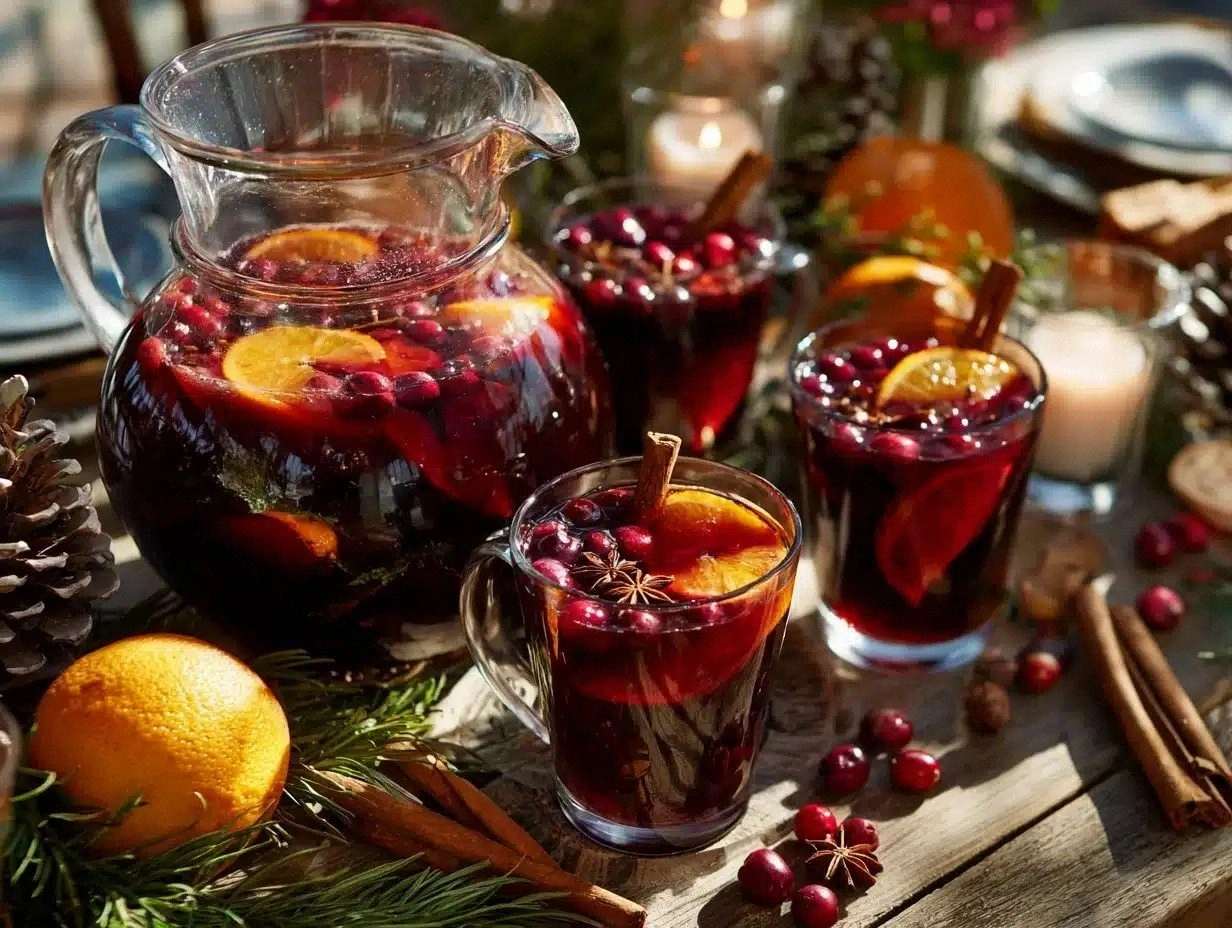
When you’re ready to serve, strain the liquid through a fine‑mesh sieve into a warm serving bowl or directly into mugs. Garnish each mug with a fresh orange slice and a cinnamon stick for visual flair. The final presentation should look like a glossy, amber elixir that beckons you to take the first sip.
That’s it — you did it. But hold on, I’ve got a few more tricks that'll take this to another level…
Insider Tricks for Flawless Results
The Temperature Rule Nobody Follows
Never, ever let your mulled wine boil. Keep it hovering just below a simmer, around 70‑80°C. This preserves the alcohol and prevents the spices from turning acrid. I once boiled my batch and ended up with a bitter, flat drink that tasted like burnt toast – a lesson learned the hard way.
Why Your Nose Knows Best
Your sense of smell is the ultimate gauge. When the aroma shifts from fresh citrus to a deep, spicy perfume, you know the flavors have fully infused. If the scent still feels raw or overly sharp, give it another few minutes on low heat.
The 5‑Minute Rest That Changes Everything
After cooking, let the mulled wine rest, covered, for at least five minutes. This short pause lets the spices settle and the flavors meld, resulting in a smoother mouthfeel. Skipping this step is like serving a cake without letting it cool – the texture suffers.
Double‑Layered Citrus
Add a zest strip of orange just before serving. The zest releases bright oils that cut through the richness, creating a balanced finish. A friend tried skipping the garnish once – the drink still tasted good, but the visual appeal was flat, and the final sip felt a bit dull.
Batch‑Size Scaling Made Simple
If you’re feeding a larger crowd, simply multiply each ingredient by the number of servings you need. The recipe card’s serving adjuster does this automatically, but remember to keep the simmer low and give extra time for the spices to infuse when scaling up.
Creative Twists and Variations
This recipe is a playground. Here are some of my favorite ways to switch things up:
Maple‑Spiced Mulled Wine
Swap the honey for pure maple syrup and add a pinch of ground nutmeg. The result is a caramel‑rich drink that feels like autumn in a mug, perfect for a rustic Friendsgiving cabin setting.
Cranberry‑Infused Cheer
Add a half cup of fresh cranberries during the simmer and a splash of cranberry juice at the end. The tartness brightens the profile and adds a gorgeous ruby hue that looks stunning on a holiday table.
Spiked Espresso Mulled Wine
Stir in a shot of cold espresso and a teaspoon of dark chocolate bitters after removing from heat. This creates a sophisticated, slightly bitter edge that pairs beautifully with dessert.
Winter Wonderland White Mulled Wine
Replace the red wine with a dry white wine or even a sparkling prosecco, and add a vanilla bean pod. The result is a lighter, effervescent version that still carries the comforting spice notes.
Non‑Alcoholic Mocktail
Swap the wine for a robust grape juice and replace brandy with a splash of bourbon‑flavored non‑alcoholic spirit. The mocktail retains the depth and warmth, making it inclusive for all guests.
Storing and Bringing It Back to Life
Fridge Storage
Transfer any leftovers into an airtight glass jar and store in the refrigerator for up to three days. When reheating, use a gentle stovetop simmer and add a splash of water to revive the silky texture.
Freezer Friendly
Mulled wine freezes beautifully. Portion into freezer‑safe containers, leaving a little headspace, and store for up to two months. Thaw overnight in the fridge, then reheat gently on the stove.
Best Reheating Method
To reheat, place the wine in a saucepan over low heat, stirring occasionally. Add a tablespoon of water for every cup of wine to restore the original mouthfeel and prevent a thick, syrupy consistency. Never microwave – it creates uneven heating and can scorch the spices.