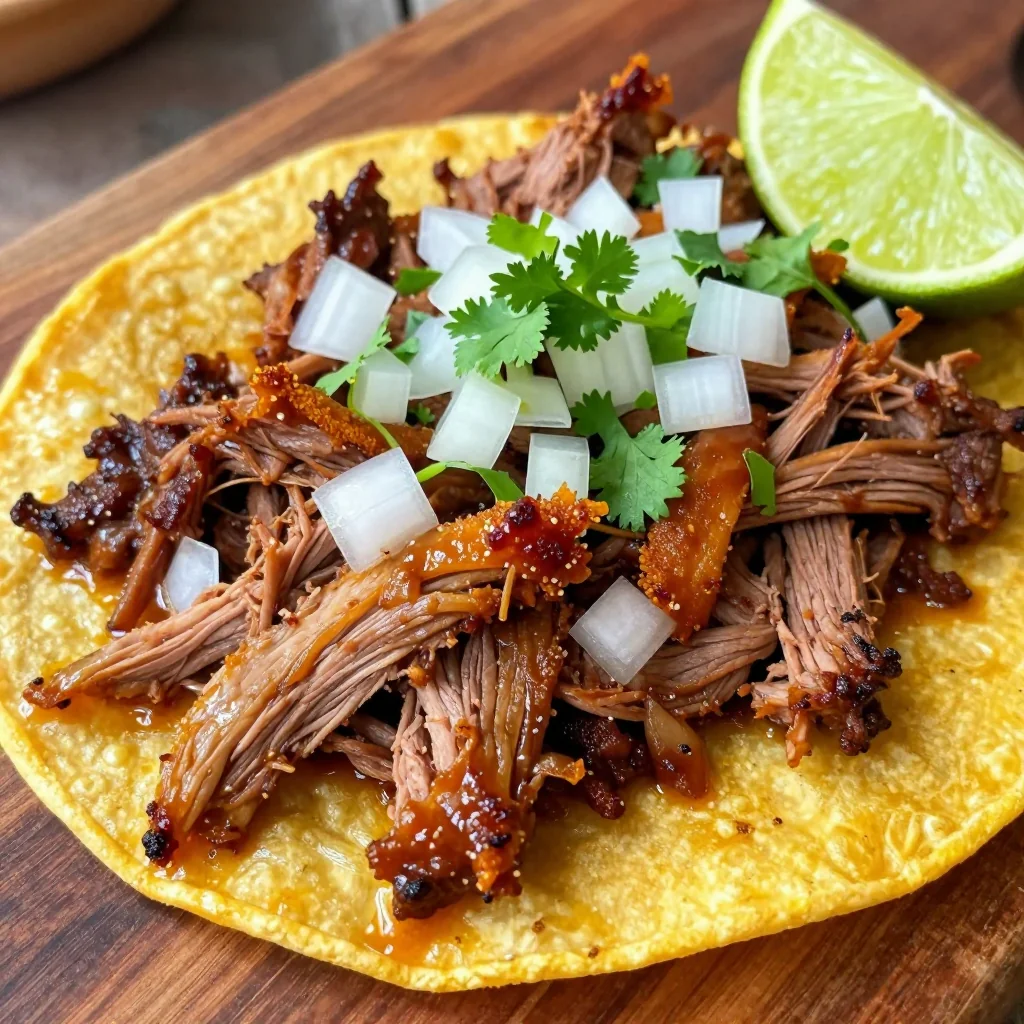
Ever had a kitchen moment that felt like a live‑action sitcom? I was in the middle of a midnight taco night, the salsa was bubbling, and I decided to throw in some onions to add crunch. I grabbed a red onion, sliced it, and dropped it straight into a pot of boiling water to blanch. The instant it hit the water, the whole kitchen filled with a sharp, almost metallic scent that made my eyes water. I laughed, thinking, “Surely this is a good idea.” It turned out to be the spark that ignited a recipe I’ve been chasing for months.
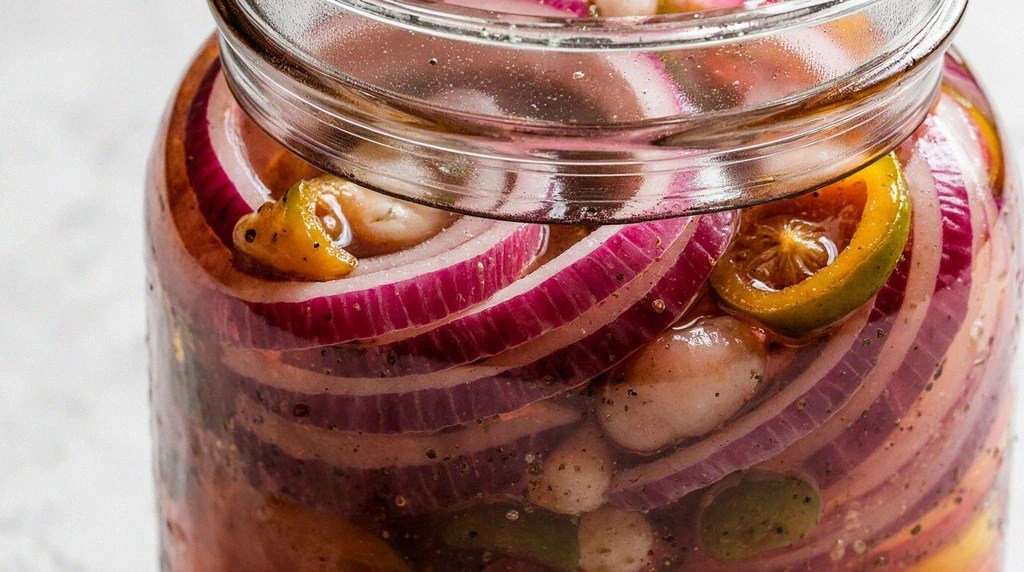
Picture the scene: a bright red onion, sliced into thin, translucent rings, glistening under the kitchen lights. The aroma that rises when you add habanero peppers is a fiery perfume that tingles your nose like a summer breeze on a hot day. When you taste the first bite, you get a burst of sweet, tangy vinegar balanced by the pepper’s heat, followed by a lingering citrus note from lime. The texture is a satisfying snap that shatters like thin ice when you bite into it. The sound of the first crunch is music to a foodie’s ears, and the color—deep crimson with speckles of orange—makes the dish look like a piece of edible art.
What makes this version stand out is that I didn’t just follow a textbook. I added a splash of maple syrup to the brine, turning the acidity into a caramelized glaze that coats each onion ring like velvet. I also used a blend of apple cider and white vinegar to give the pickles a fruity complexity that’s rare in traditional pickles. I let the habaneros sit in the brine for a full hour, allowing the heat to mellow into a subtle, smoky undertone rather than a blistering burn. The result is a pickled onion that’s bright, sweet, and spicy all at once—an explosion of flavor that will make your taste buds dance.
I dare you to taste this and not go back for seconds. If you’ve ever tried a bland, overly acidic pickle, this will shatter that expectation. I’ll be honest—I ate half the batch before anyone else got to try it. Most recipes get this completely wrong; they either overcook the onions or under‑season the brine. Picture yourself pulling this out of the fridge, the whole kitchen smelling incredible, and seeing that glossy, ruby‑red sauce clinging to each slice. Stay with me here—this is worth it. Let me walk you through every single step—by the end, you’ll wonder how you ever made it any other way.
What Makes This Version Stand Out
- Flavor: The blend of apple cider and white vinegar creates a dual‑layer acidity that feels both bright and deep, a rare find in pickles.
- Texture: The onions stay crisp yet tender, thanks to a brief blanching that locks in their natural crunch.
- Heat Control: Removing seeds and membranes from habaneros lets you dial the spice up or down without sacrificing flavor.
- Sweetness: Pure maple syrup gives a silky glaze that caramelizes slightly, turning each bite into a mini caramel experience.
- Make‑ahead: The pickles can sit for up to a week, and the flavors deepen the longer they rest.
- Versatility: Works as a topping for tacos, a side for grilled meats, or a zesty addition to salads.
Inside the Ingredient List
The Flavor Base
Apple cider vinegar brings a subtle fruitiness that brightens the entire dish. White vinegar, on the other hand, provides the sharp, clean cut that prevents the brine from becoming muddied. Together, they create a harmonious acid profile that lifts the onions without overwhelming them. If you can’t find apple cider vinegar, try a splash of balsamic for a different twist, but be prepared for a sweeter finish.
The Texture Crew
Red onions are the star of the show, offering a crisp bite that shatters like thin ice when you bite into them. A quick blanch in boiling water for 30 seconds stops the onions from becoming mushy and preserves their natural crunch. If you prefer a softer texture, skip the blanching and let the onions soften fully in the brine for 24 hours.
The Unexpected Star
Habanero peppers add a fiery kick that’s tempered by the maple syrup’s sweetness. Removing the seeds and membranes is essential if you’re a heat‑tolerant person who wants flavor over fire. The peppers also release a subtle smoky undertone when they sit in the brine for an hour. If you’re a spice novice, start with half a pepper and add more later.
The Final Flourish
Lime juice adds a bright citrus note that cuts through the acidity, creating a layered flavor profile. Pure maple syrup is the sweetener of choice; its 100% purity ensures a clean maple taste without the heaviness of breakfast syrup. Salt, preferably kosher, balances the flavors and enhances the natural sweetness of the onions. If you’re watching sodium, use sea salt sparingly or replace it with a low‑sodium option.
Everything’s prepped? Good. Let’s get into the real action.
The Method — Step by Step
- Slice the red onion into thin rings, about 1–2 mm thick. The thinner the slices, the quicker they’ll pick up the brine’s flavor. Use a sharp knife to avoid bruising the onion, which can release unwanted bitterness.
- Blanch the onion rings in boiling water for 30 seconds, then shock them in ice water to stop the cooking process. This step locks in the crunch and prevents the onions from becoming soggy during pickling. Let them drain fully before adding to the brine.
- Prepare the brine by combining 1 cup apple cider vinegar, 1 cup white vinegar, 1/4 cup lime juice, and 2 tbsp pure maple syrup in a saucepan. Heat the mixture just until the syrup dissolves; do not bring to a boil as this can alter the flavor profile. The warm brine should smell slightly sweet with a hint of citrus.
- Stir in 2 habanero peppers, sliced thin and seeded if you want a milder kick. The peppers should be evenly distributed in the brine to ensure consistent heat throughout. If you prefer a more subtle heat, use only one pepper and reserve the other for later use.
- Add 1 tsp kosher salt to the brine and stir until dissolved. Salt is essential for balancing the acidity and enhancing the natural sweetness of the onions. Don’t skip it—without salt, the pickles will taste flat.
- Pour the hot brine over the blanched onions in a sterilized jar, ensuring the onions are fully submerged. Press them gently with a spoon to remove any air pockets. The brine should just cover the onions; any excess liquid can dilute the flavor.
- Seal the jar and let it sit at room temperature for 2 hours. During this time, the onions will absorb the brine and the flavors will meld. You’ll notice a subtle change in texture—crisp but with a hint of softness.
- After 2 hours, transfer the jar to the refrigerator. Let the onions pickle for at least 12 hours, but for best results, give them a full 24 hours. The longer they rest, the deeper the flavor will become.
That’s it — you did it. But hold on, I’ve got a few more tricks that’ll take this to another level. The next steps will show you how to fine‑tune the heat, adjust the sweetness, and even create a sauce that can be used as a dip.
Insider Tricks for Flawless Results
The Temperature Rule Nobody Follows
Keeping the brine just below boiling (around 185°F) ensures the maple syrup dissolves without caramelizing, preserving that silky glaze. If the brine is too hot, you risk breaking down the onion’s structure and losing that satisfying snap. I use a kitchen thermometer to monitor the temperature, a habit that pays off every time.
Why Your Nose Knows Best
Smell the brine before pouring it over the onions; a sweet, citrusy aroma signals the right balance. If it smells too sharp, add a splash of water or more maple syrup. Trust your nose—your palate will thank you later.
The 5-Minute Rest That Changes Everything
After the initial 2-hour room temperature rest, give the jar a brief 5-minute shake. This ensures the onions are evenly coated and the flavors distribute uniformly. A friend once skipped this step and ended up with pockets of unseasoned onions—let’s just say it was a culinary lesson.
The Garlic Layer
Add 2 cloves of minced garlic to the brine for an aromatic depth that cuts through the heat. Garlic pairs beautifully with habanero, creating a complex flavor profile that’s both savory and spicy. If you’re a garlic lover, double the amount; if you’re not, keep it to one clove.
The Final Touch of Salt
After the pickles have rested for 24 hours, taste them and adjust salt if needed. A pinch more can brighten the flavors, but be careful—salt can quickly overpower the delicate balance. Use a fine sea salt for a smoother finish.
Creative Twists and Variations
This recipe is a playground. Here are some of my favorite ways to switch things up:
Smoky Chipotle Twist
Swap the habaneros for chipotle peppers in adobo sauce. The smoky undertone complements the maple syrup, creating a flavor profile that’s reminiscent of a late‑night barbecue. Use the same brine, but add an extra teaspoon of adobo sauce for depth.
Citrus Burst Variation
Replace lime juice with a mix of orange and grapefruit juice. The citrus mix adds a bright, tangy sweetness that pairs well with the sweet maple. This version is perfect for a summer brunch.
Herbal Infusion
Add fresh thyme or oregano to the brine for an aromatic herbal layer. The herbs infuse the onions with a fragrant note that balances the heat. Use a teaspoon of dried herbs or a few sprigs of fresh ones.
Sweet Chili Variation
Use a sweet chili sauce instead of maple syrup for a different sweet profile. The sauce adds a slight caramel flavor that pairs beautifully with the vinegar. Keep the habaneros for heat.
Balsamic Brine
Replace the apple cider vinegar with balsamic for a richer, sweeter base. The balsamic’s depth complements the maple syrup, creating a complex, layered flavor. This version is great for a sophisticated appetizer.
Spicy Garlic Variation
Add an extra 3 cloves of garlic, minced, and let them steep for 30 minutes before adding the onions. The garlic will infuse the brine with a pungent aroma that enhances the heat. This is perfect for a garlic lover’s palate.
Storing and Bringing It Back to Life
Fridge Storage
Store the pickles in the refrigerator for up to 4 weeks. Keep the jar sealed to maintain the brine’s acidity and prevent mold. The onions will stay crisp and flavorful throughout this period.
Freezer Friendly
While not ideal, you can freeze the pickles for up to 2 months. Transfer them to a freezer‑safe container, leaving a little headspace. Thaw in the refrigerator and use within 48 hours for best texture.
Best Reheating Method
To reheat the pickles, simply microwave on low for 30 seconds. Add a tiny splash of water before heating; this steams the onions back to perfection and keeps them from drying out. Avoid boiling, as it will dissolve the brine and dilute the flavor.